Image: Patricia Mora photography
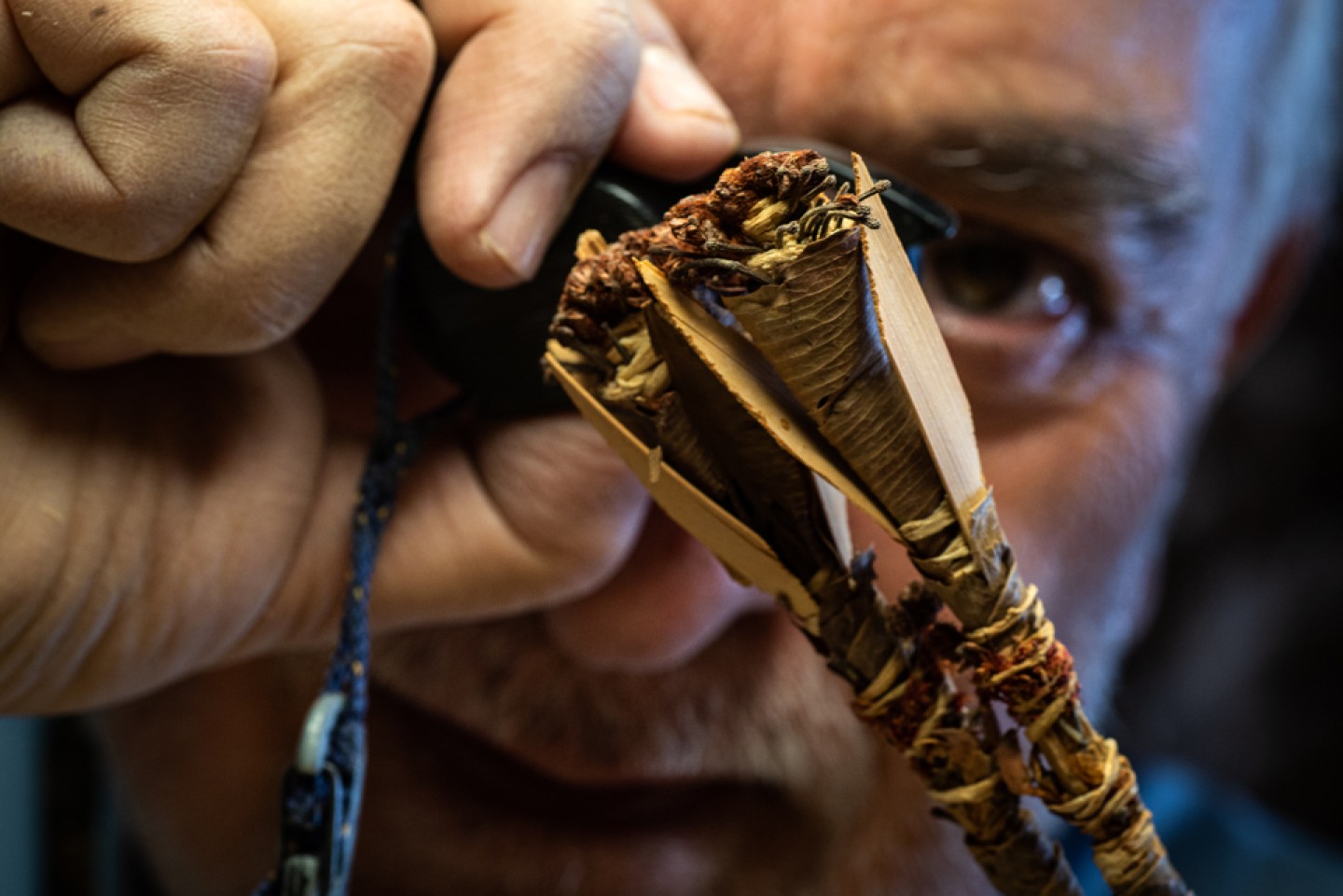
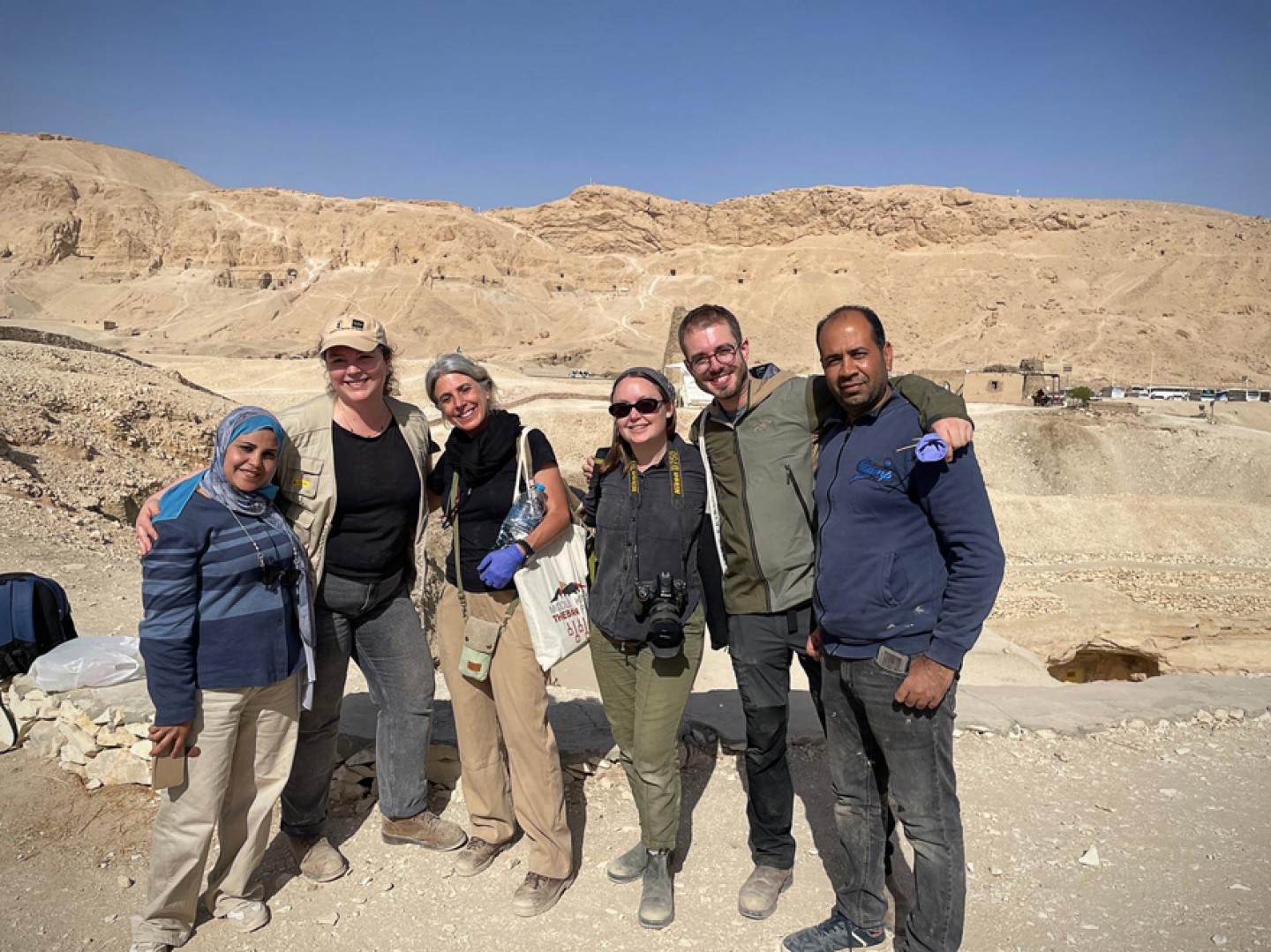
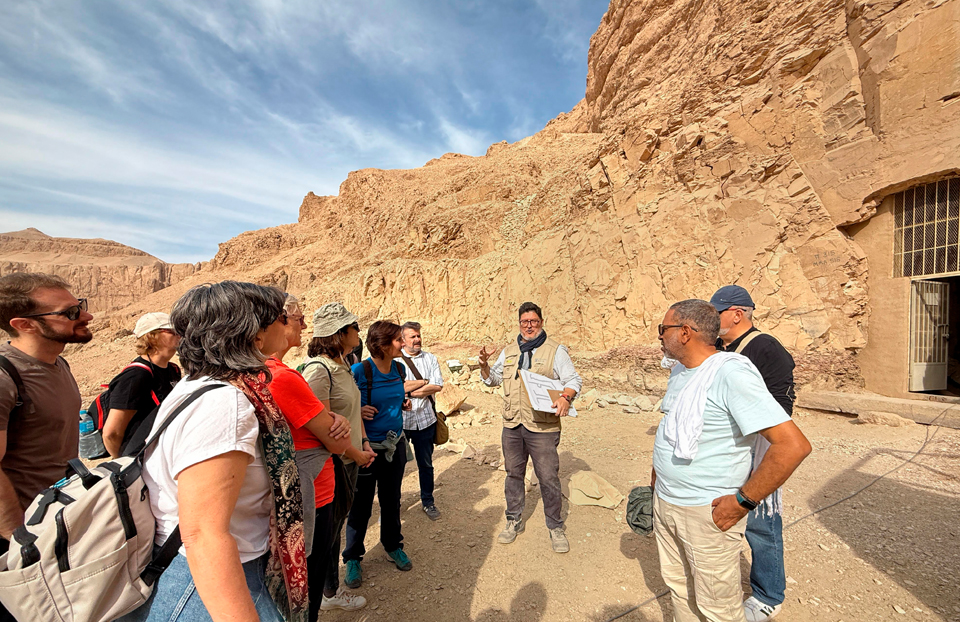
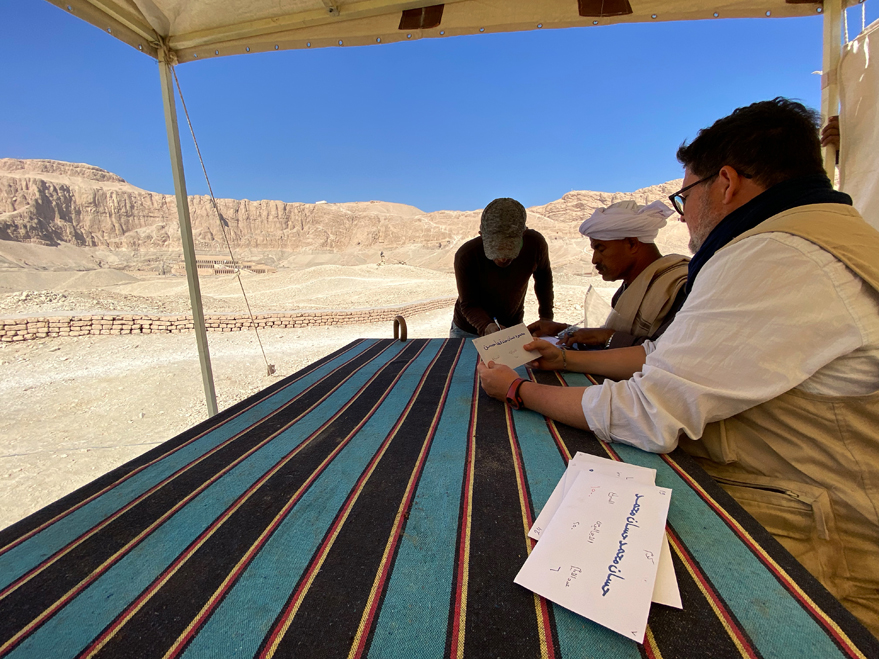
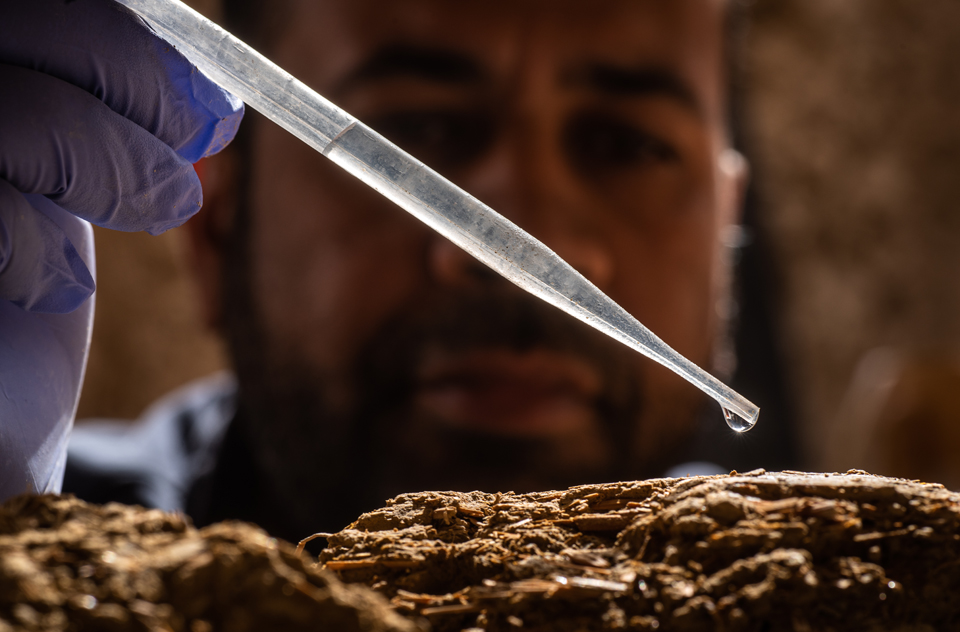
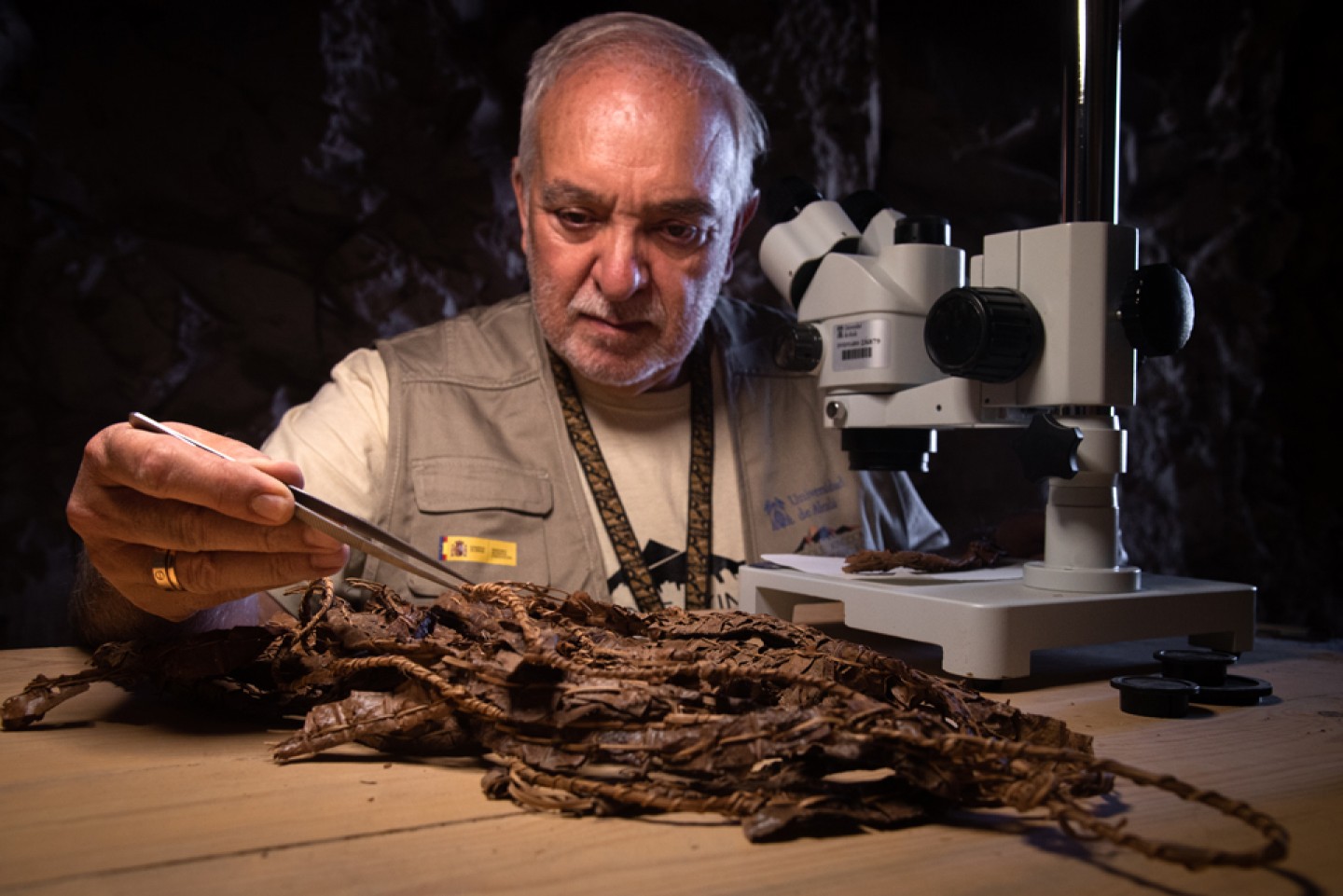
Work within our concession continues at a good pace, surrounded by the calm that the Theban necropolis offers at this time of year. In the Asasif area, the team from the University of Strasbourg (working in collaboration with the IFAO and CNRS in the TT 33 complex of Pedamenopet) and the Egyptian team from the Ministry of Tourism and Antiquities (in the El-Birabi area, near the north wall of the valley temple of Hatshepsut) are currently active. To the east, closer to the cultivated fields, the French team at the Ramesseum is also at work, as is the Spanish mission stationed at the funerary temple of Thutmose III, directed by our colleague Myriam Seco (University of Seville). All these teams are aware of the upcoming Christmas holidays and are working tirelessly to wrap up tasks, clarify results, and prepare the required reports for the Egyptian Ministry at the end of the season. In this atmosphere, we enjoy each day of progress in the restoration and conservation work, as well as the specialized studies—such as Daniel’s work with the garlands and flowers—that we have been carrying out in the tombs of Ipi and Djari, fully aware that working in this region is an absolute privilege.
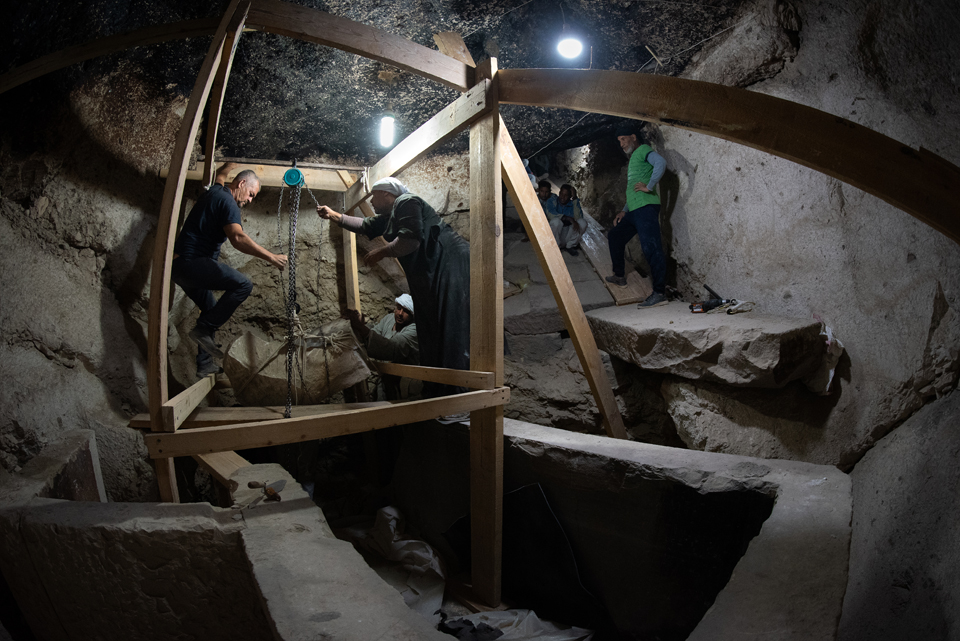
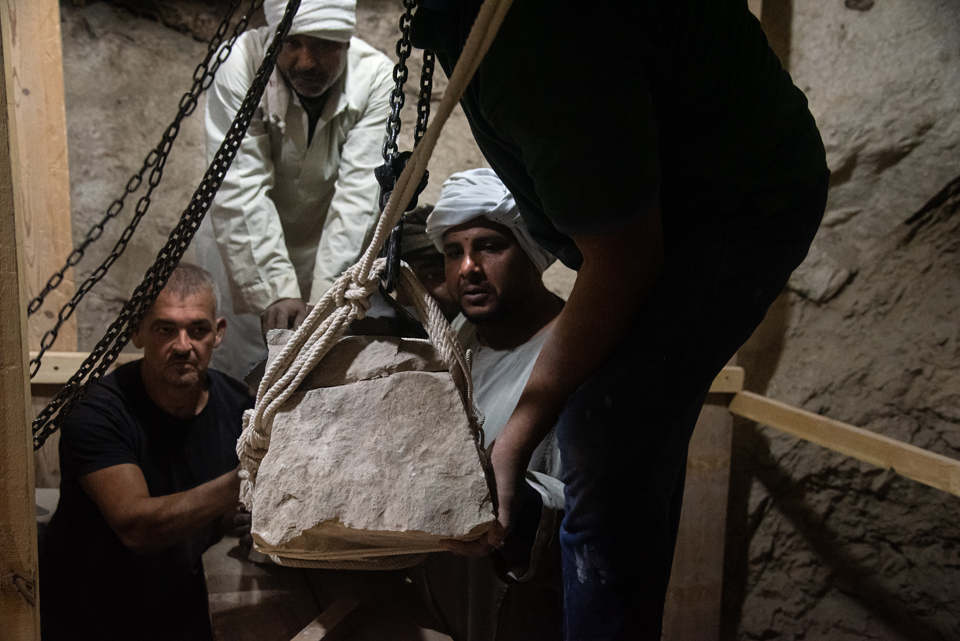
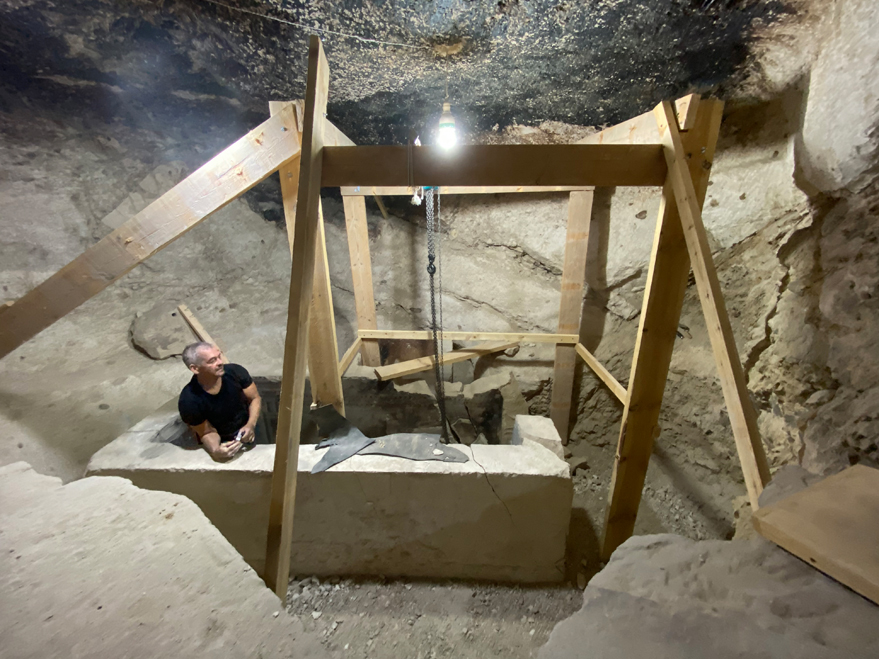
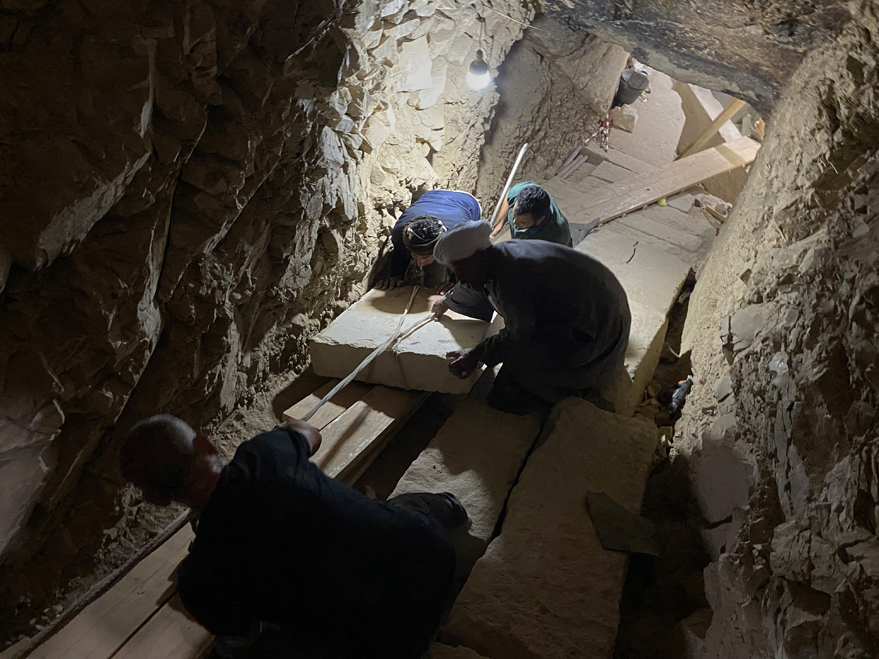
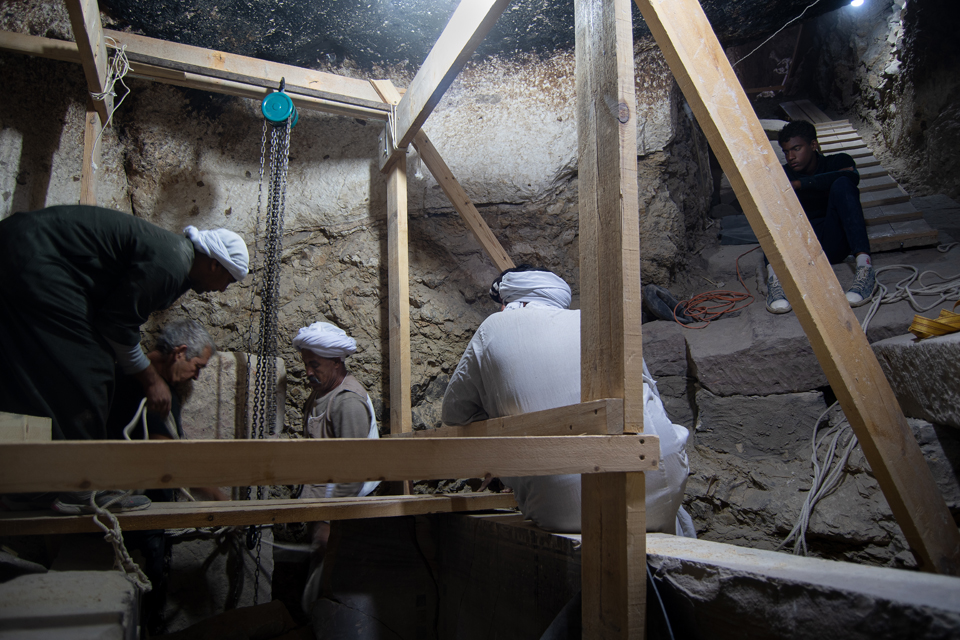
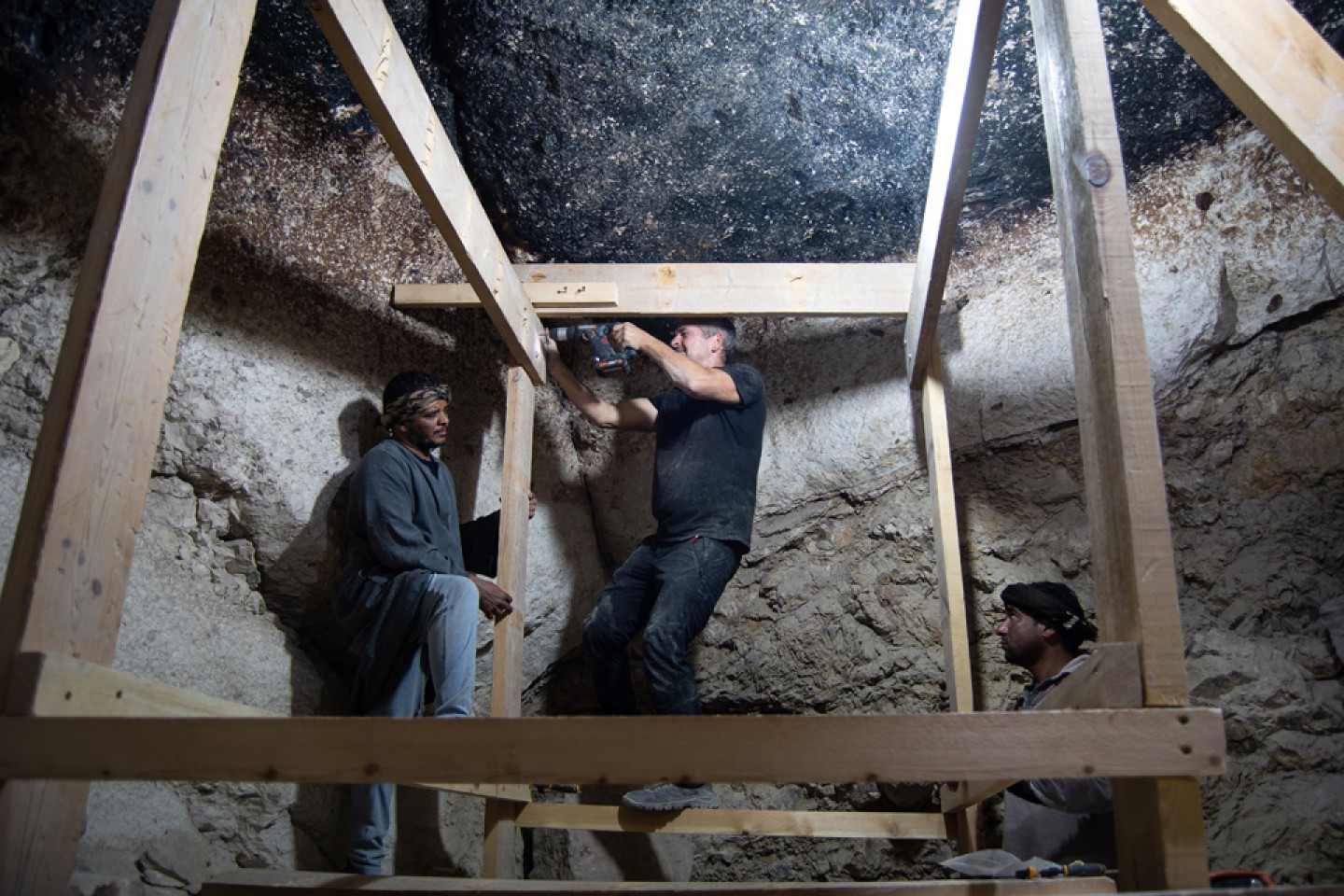
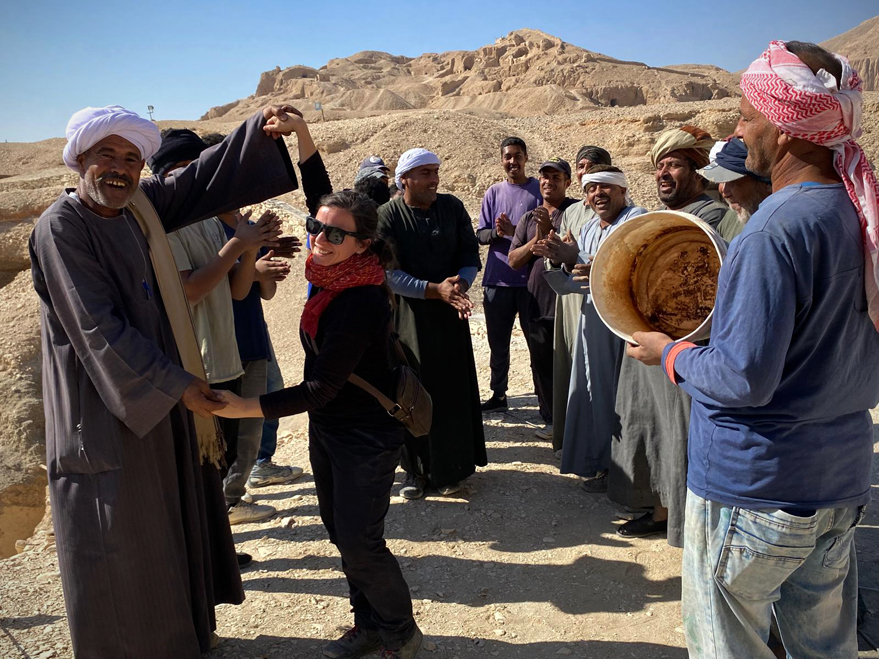
As for Ipi’s sarcophagus, the work to dismantle it is advancing slowly, mainly due to the massive size of the piece. The 12 ton block of high-quality white limestone —quarried and transported from elsewhere to the vizier’s tomb in Deir el-Bahari— puts up some resistance to being taken apart, especially considering that a very specific order must be followed according to the fractures observed in the block. In addition, the stone canopic box, attached to the front side of the sarcophagus, poses its own challenges in terms of dismantling and moving it to the main corridor. If one of the sides of the canopic box was removed almost directly yesterday, today an entire morning was needed to dismantle the second piece and prepare it for its transfer to the main corridor. The workmen, well aware of the difficulty posed by certain elements, experienced firsthand the complexity of moving this 700 kg block and appreciated that all necessary precautions were taken —as they must be for the safety of the team and the sarcophagus fragments— and that preparations were made for lifting it tomorrow, Thursday.
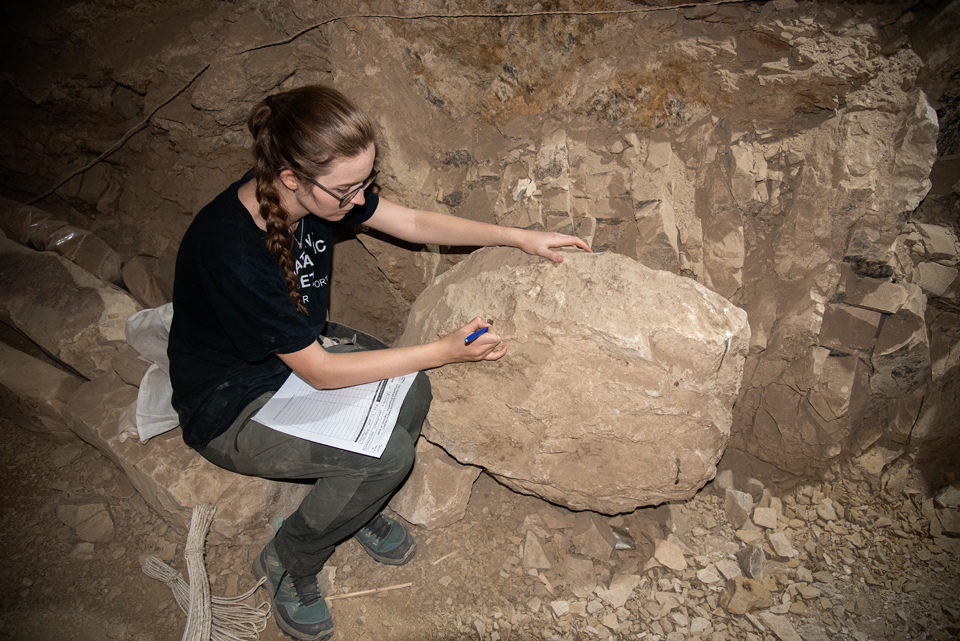
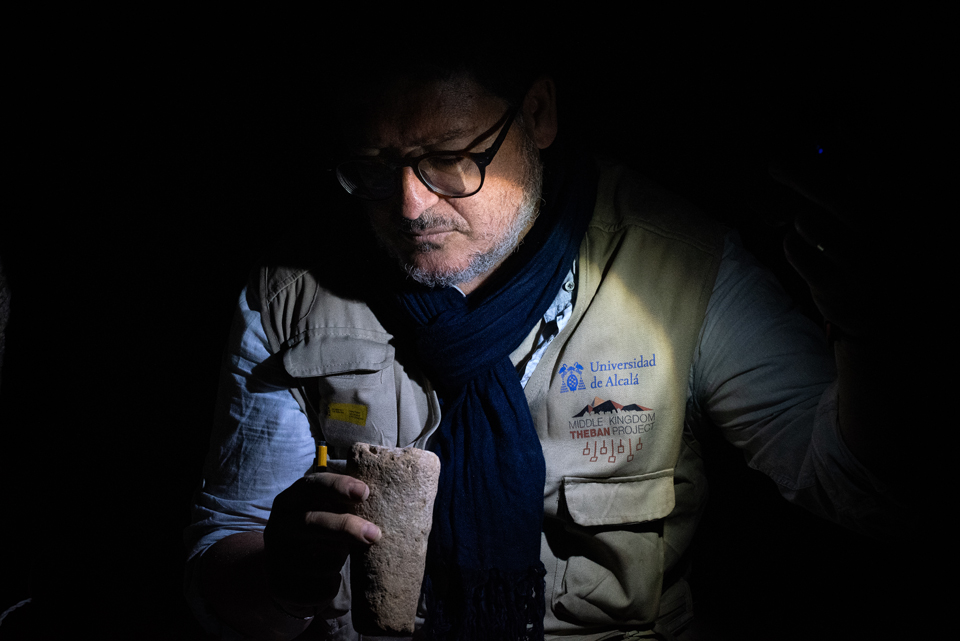
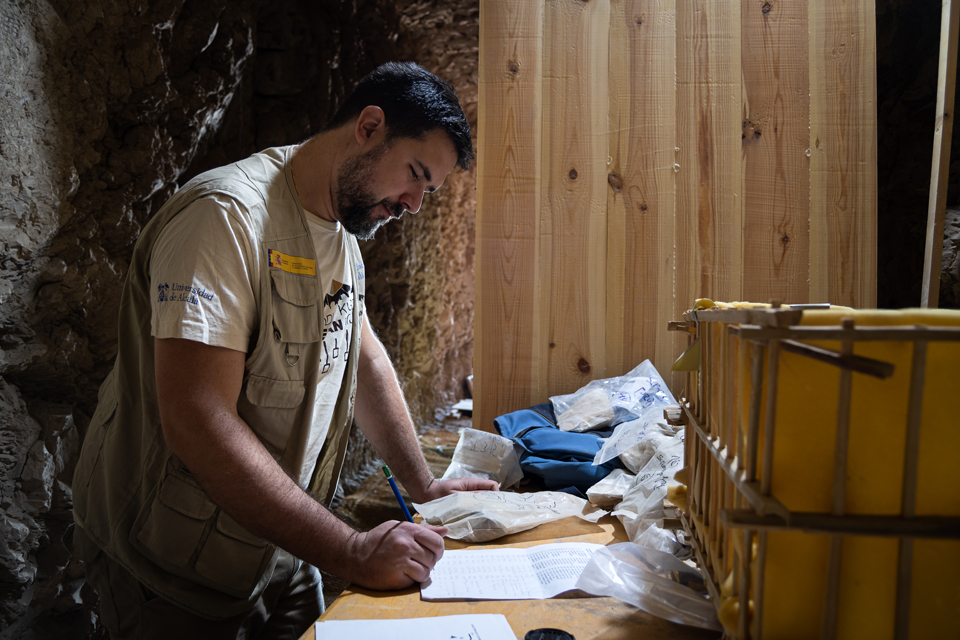
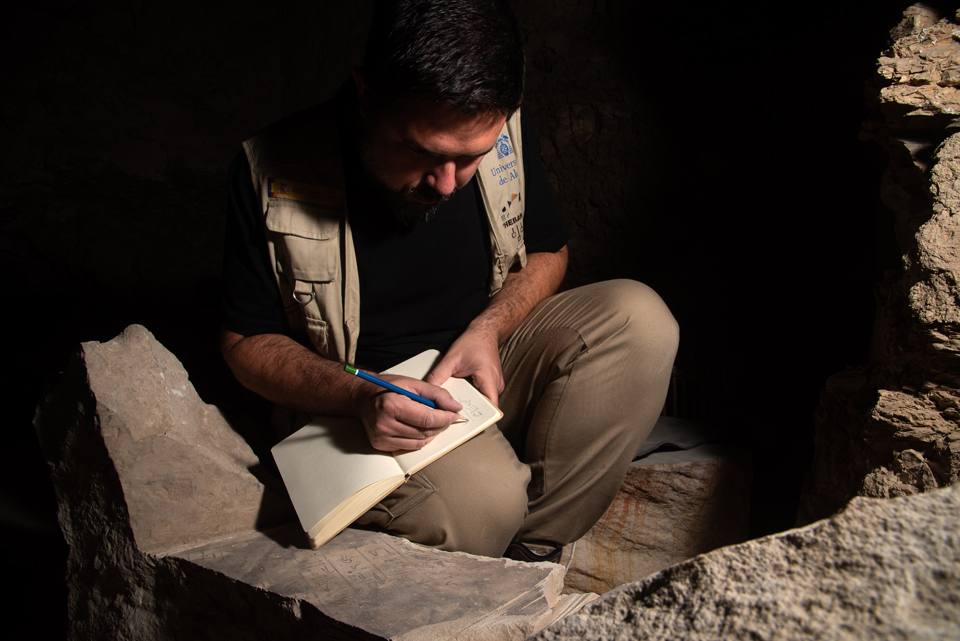
Regarding the documentation and inventory in this tomb, Rebekah and Raúl continue to receive the fragments of the sarcophagus and apply the workflow we originally established. This workflow includes marking the fragment while it is still in situ (without affecting its decoration), removing it to the upper corridor (sometimes with the obvious complications posed by large blocks), and then examining and photographing it. This process allows us to create a map with the topographical information of the fragments on each side (even for those that were found in other parts of the burial chamber) and to take notes on the most characteristic and important features of each piece.
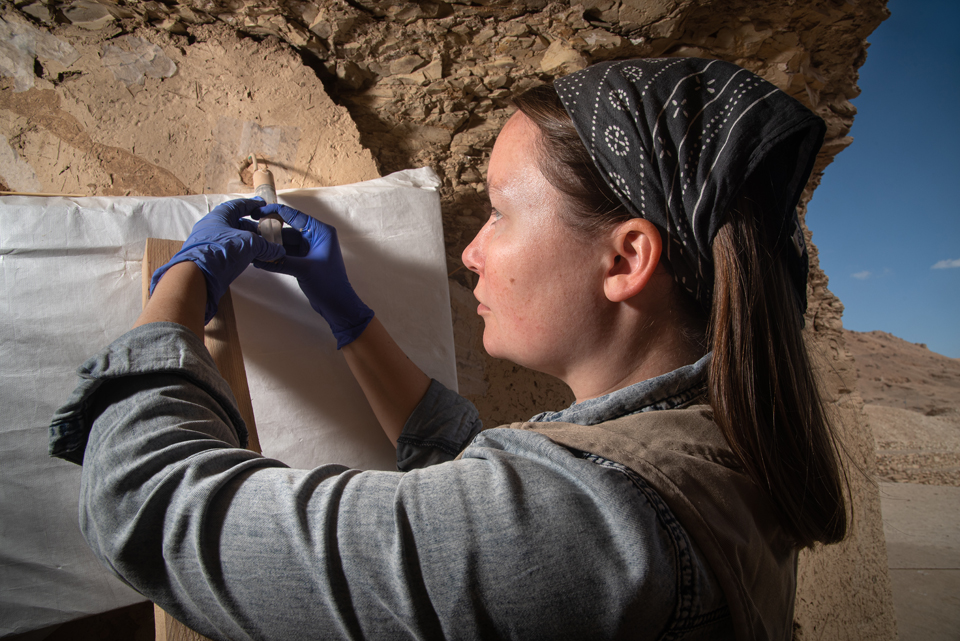
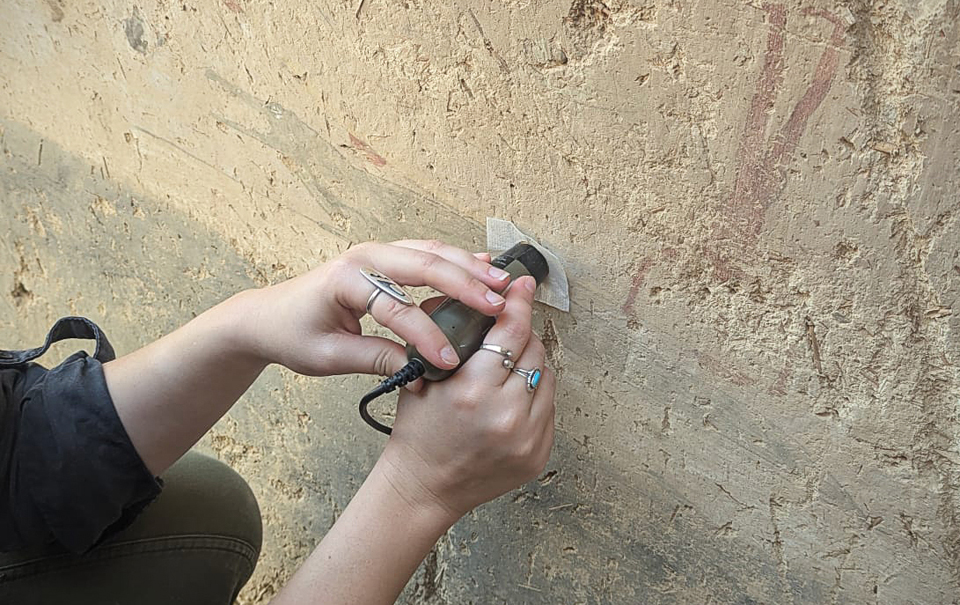
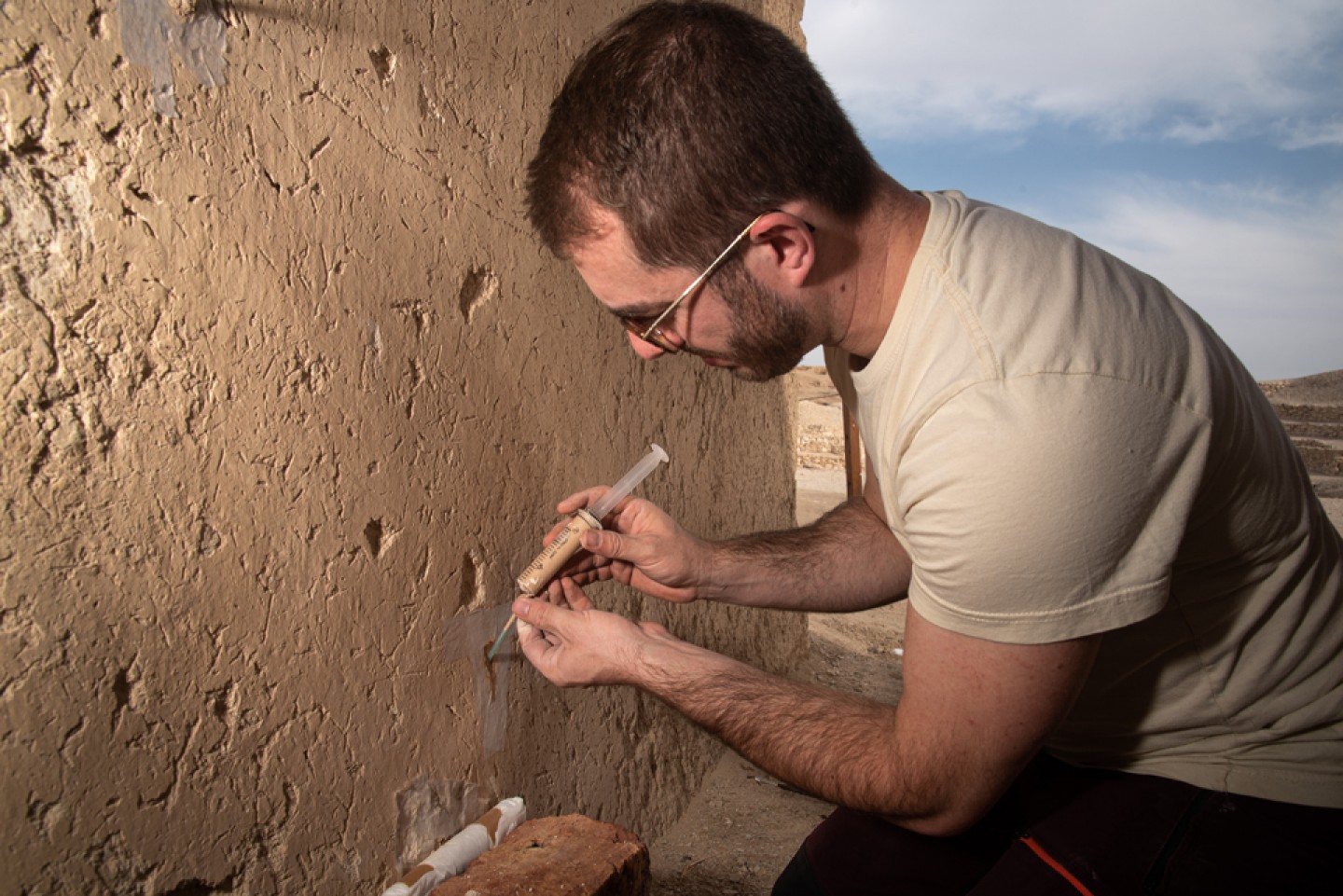
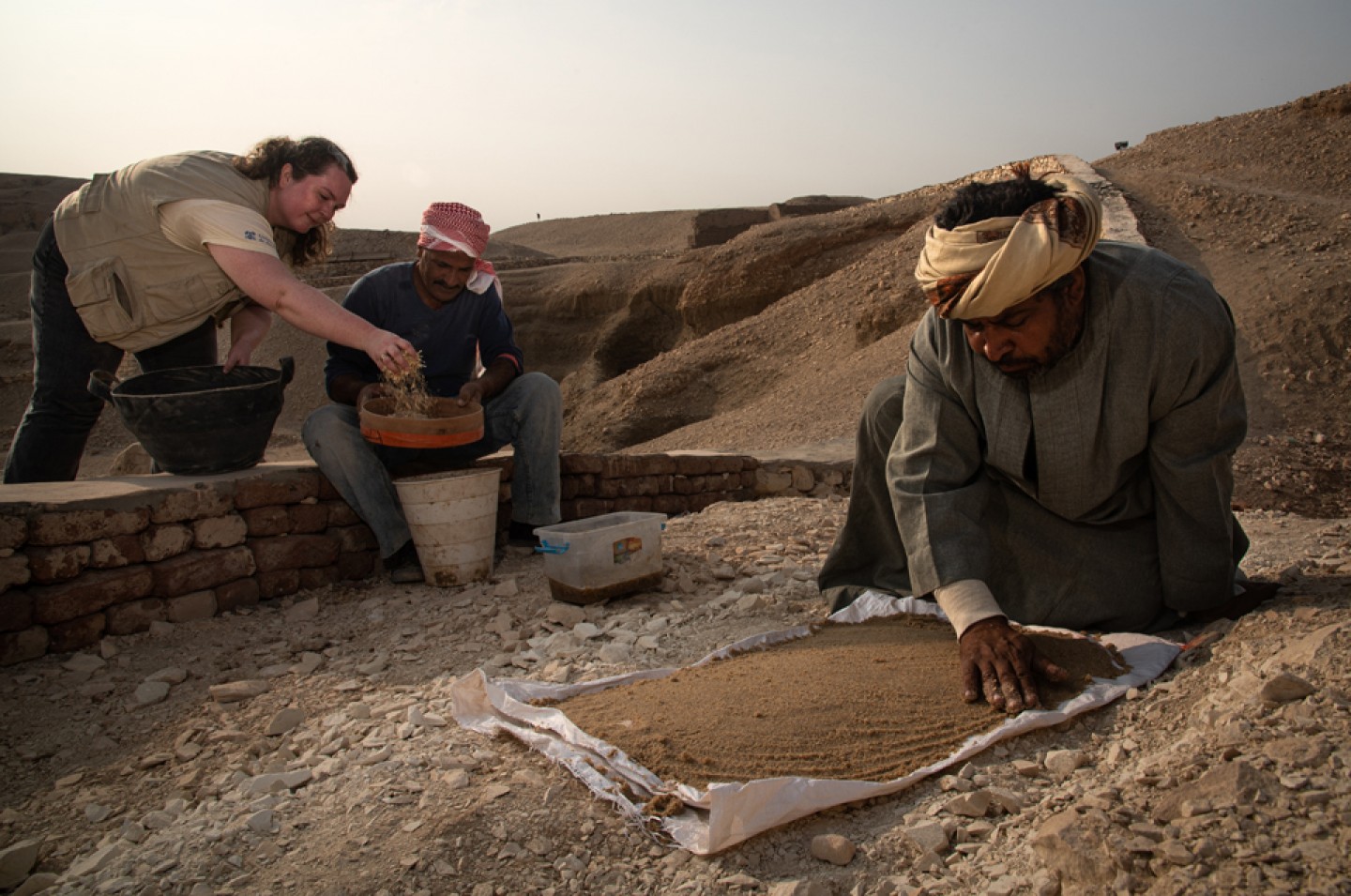
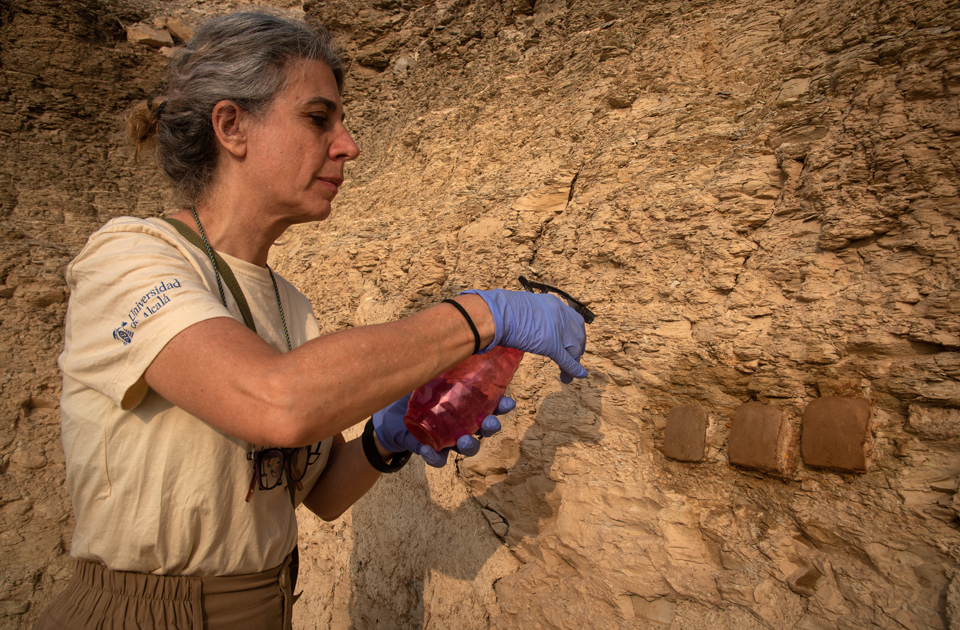
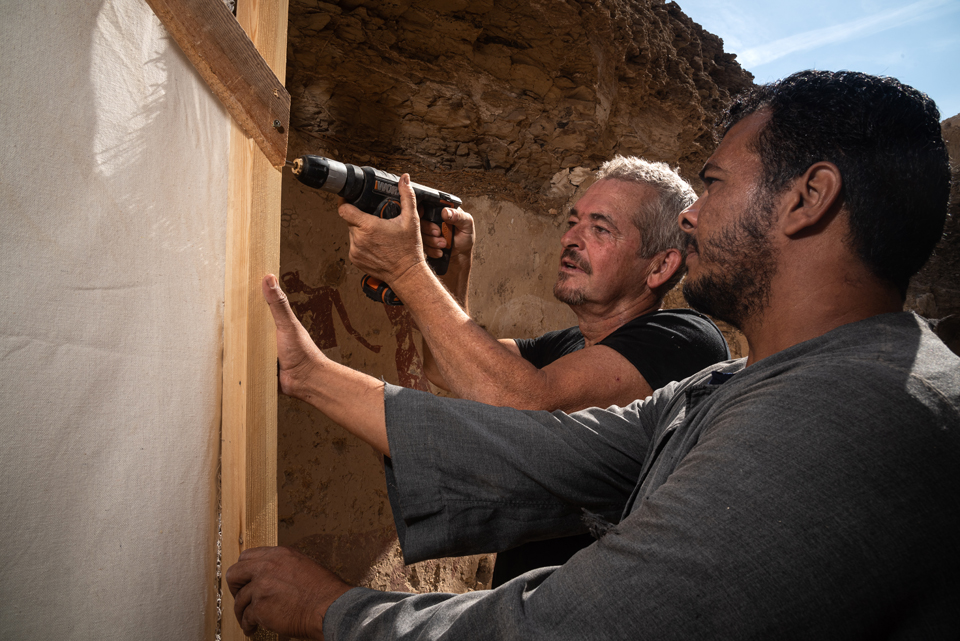
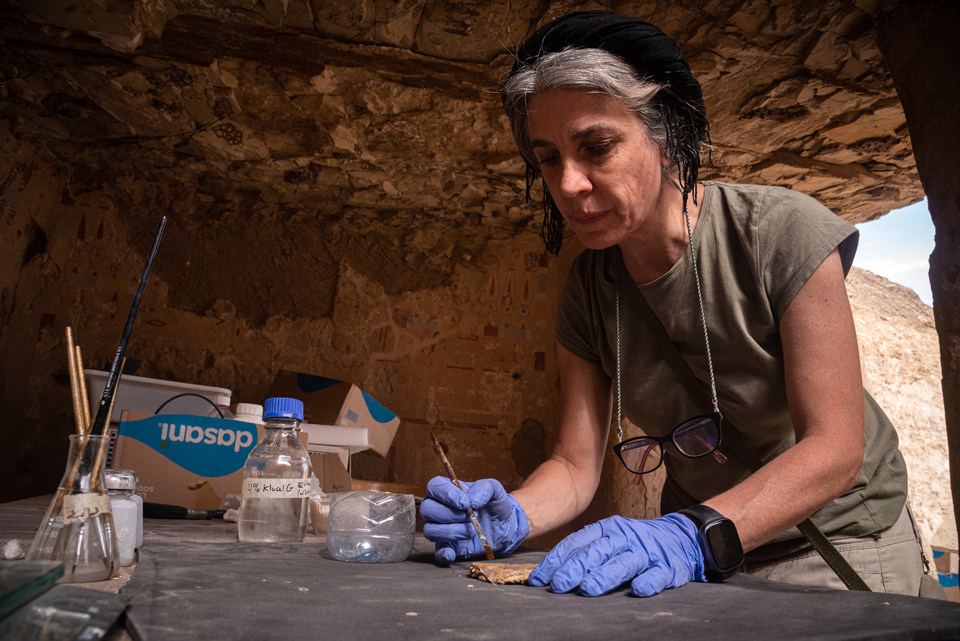
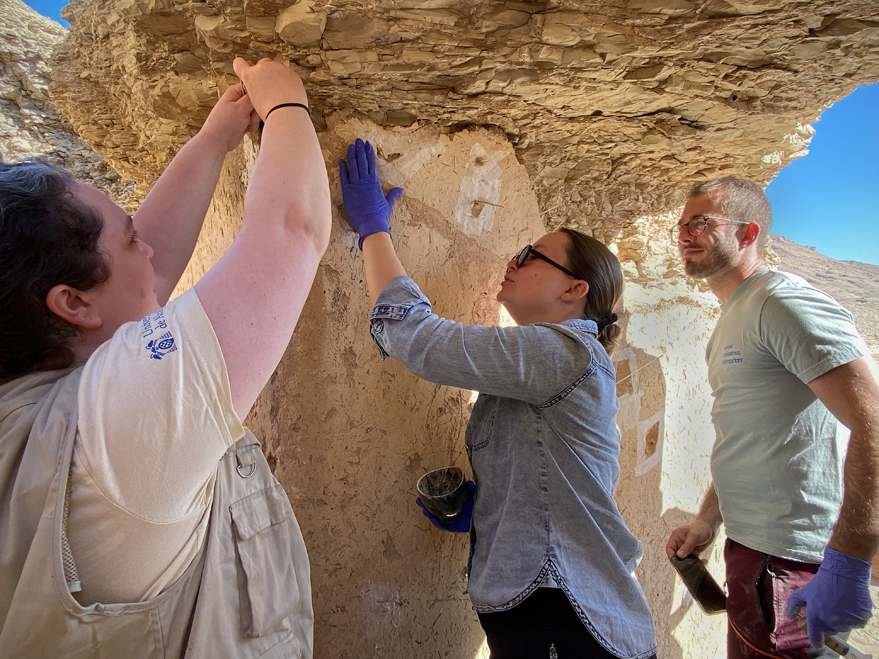
Meanwhile, our conservators in the tomb of Djari have continued treating one of the walls (i.e., the south wall of Pillar D in the façade) to finish consolidating the surface and to verify that the mortars used are functioning properly. If this mortar performs as it did in the tests, it will mean that we can proceed at a good pace with repairing the remaining damaged walls.
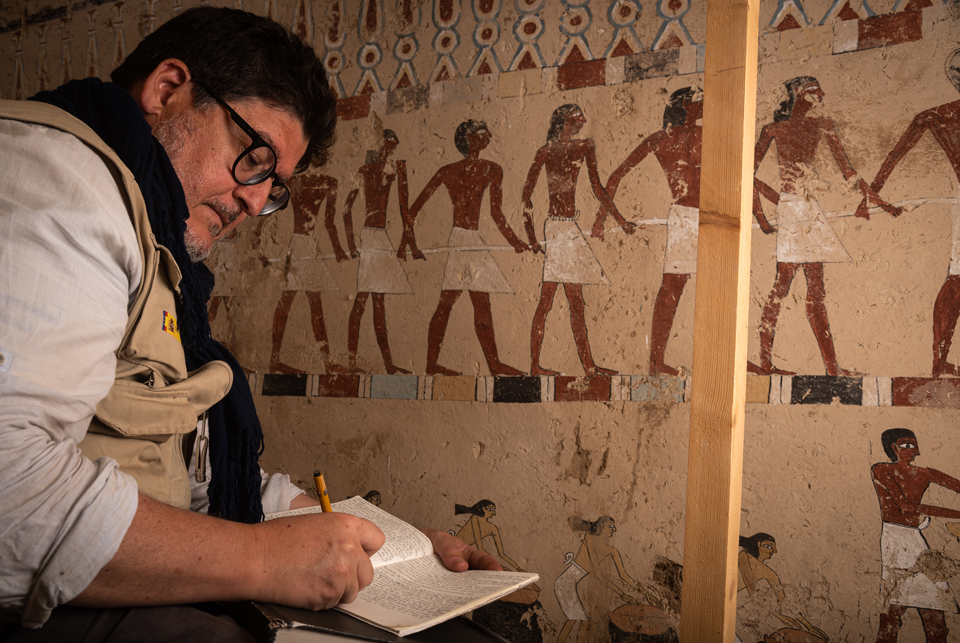
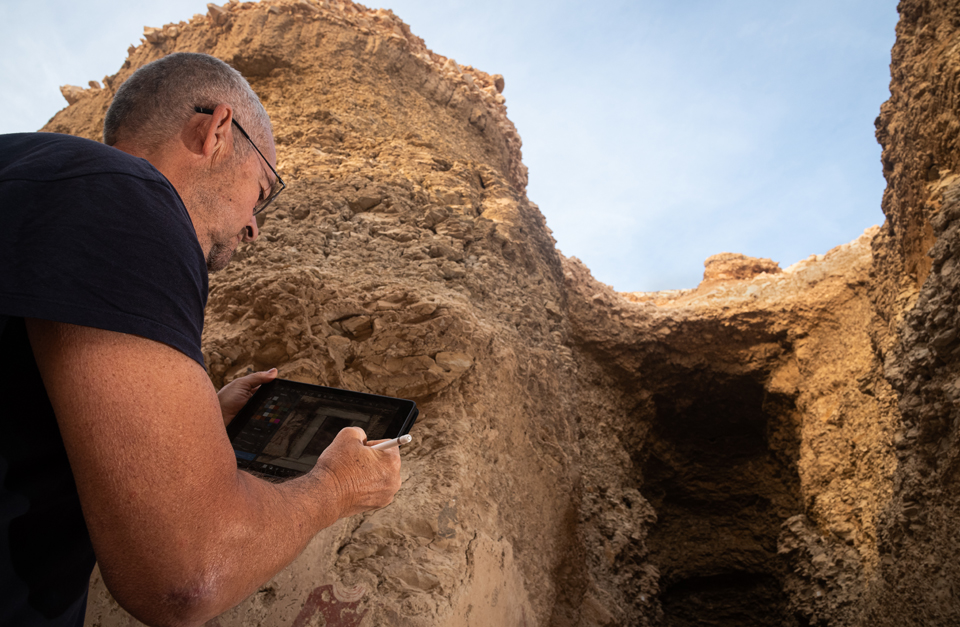
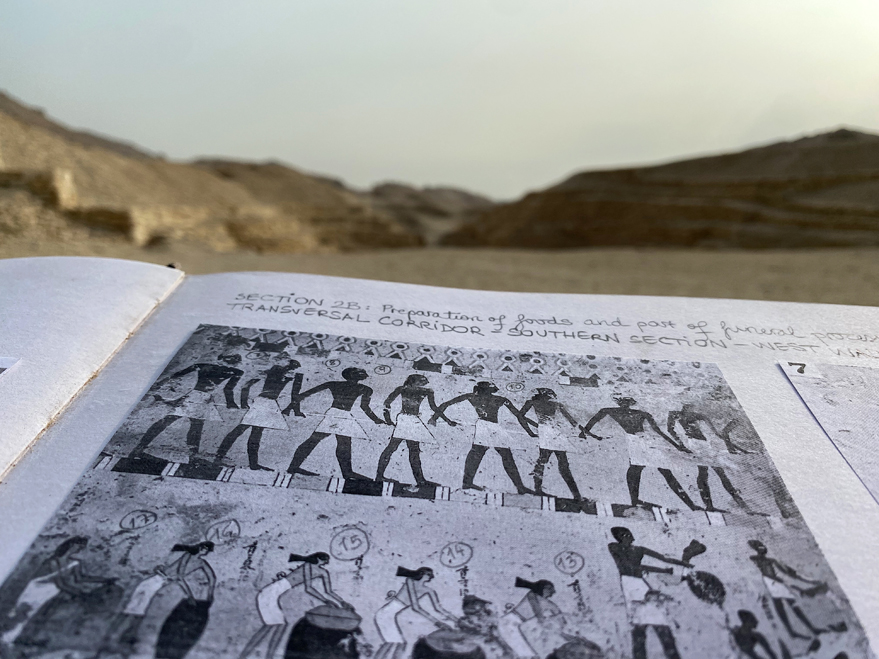
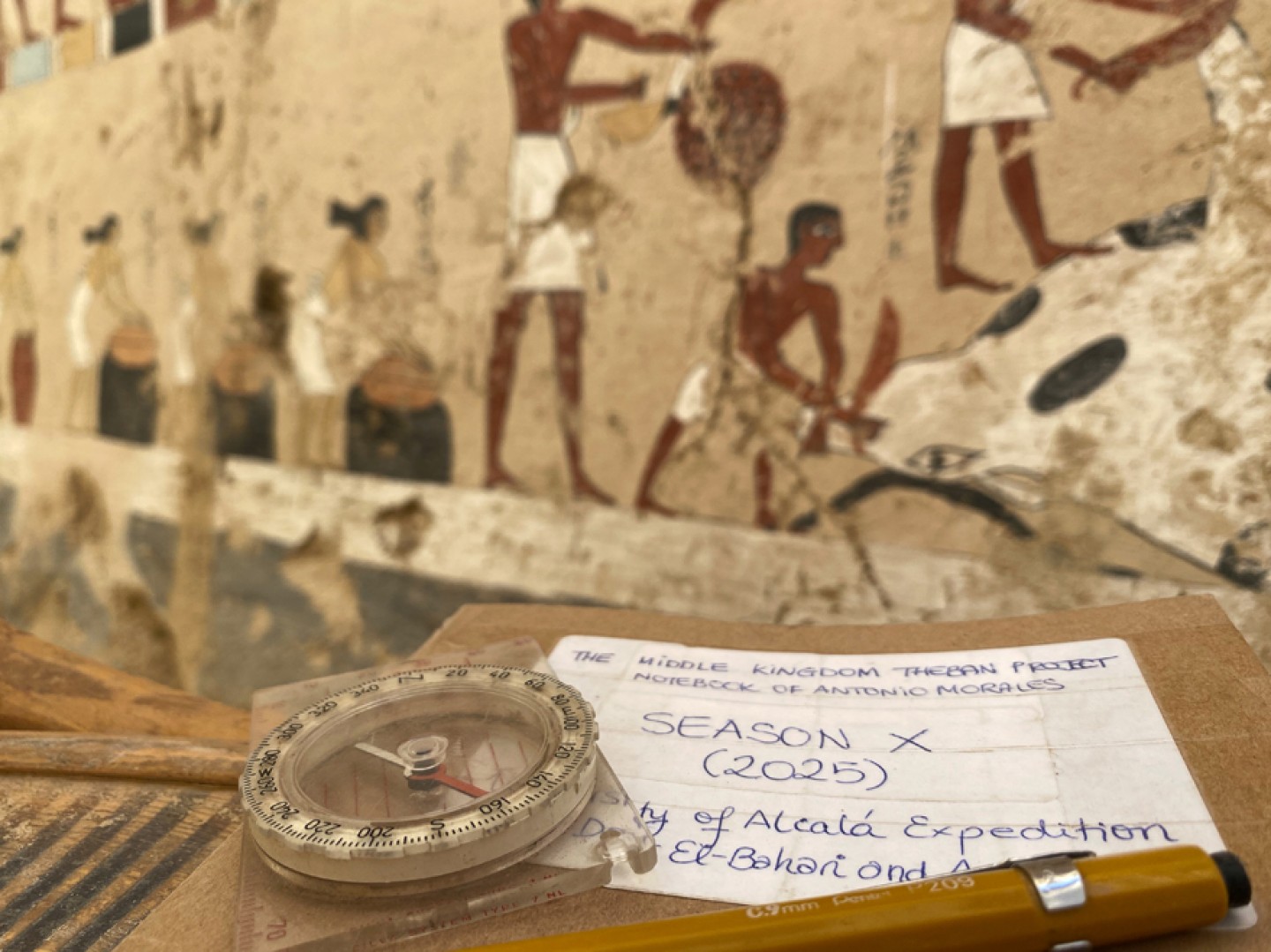
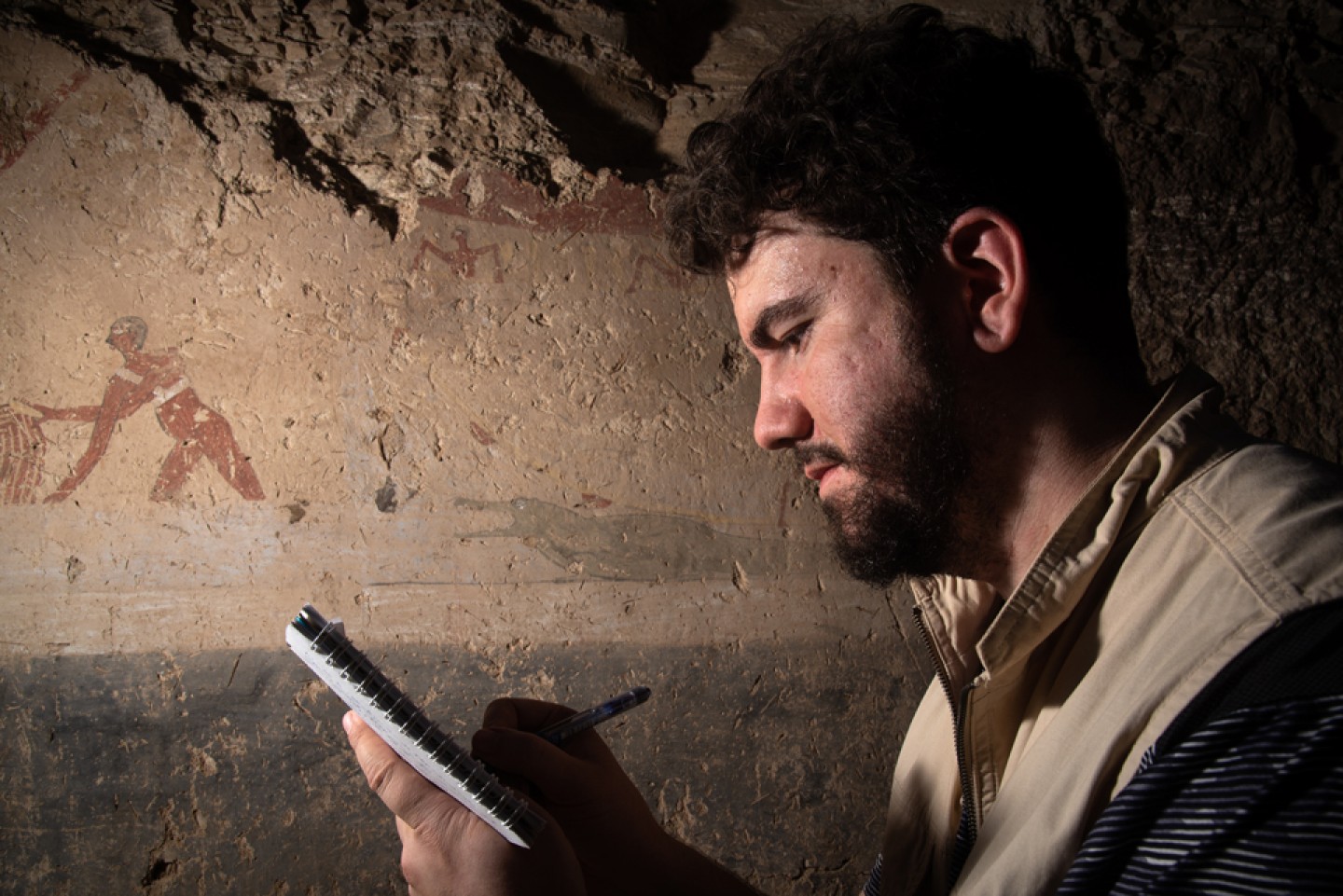
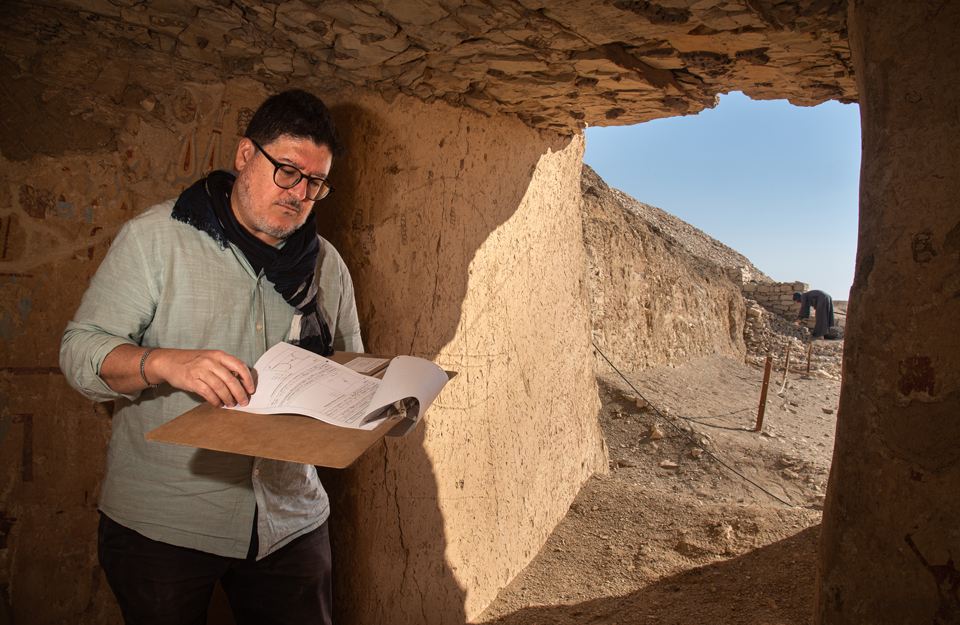
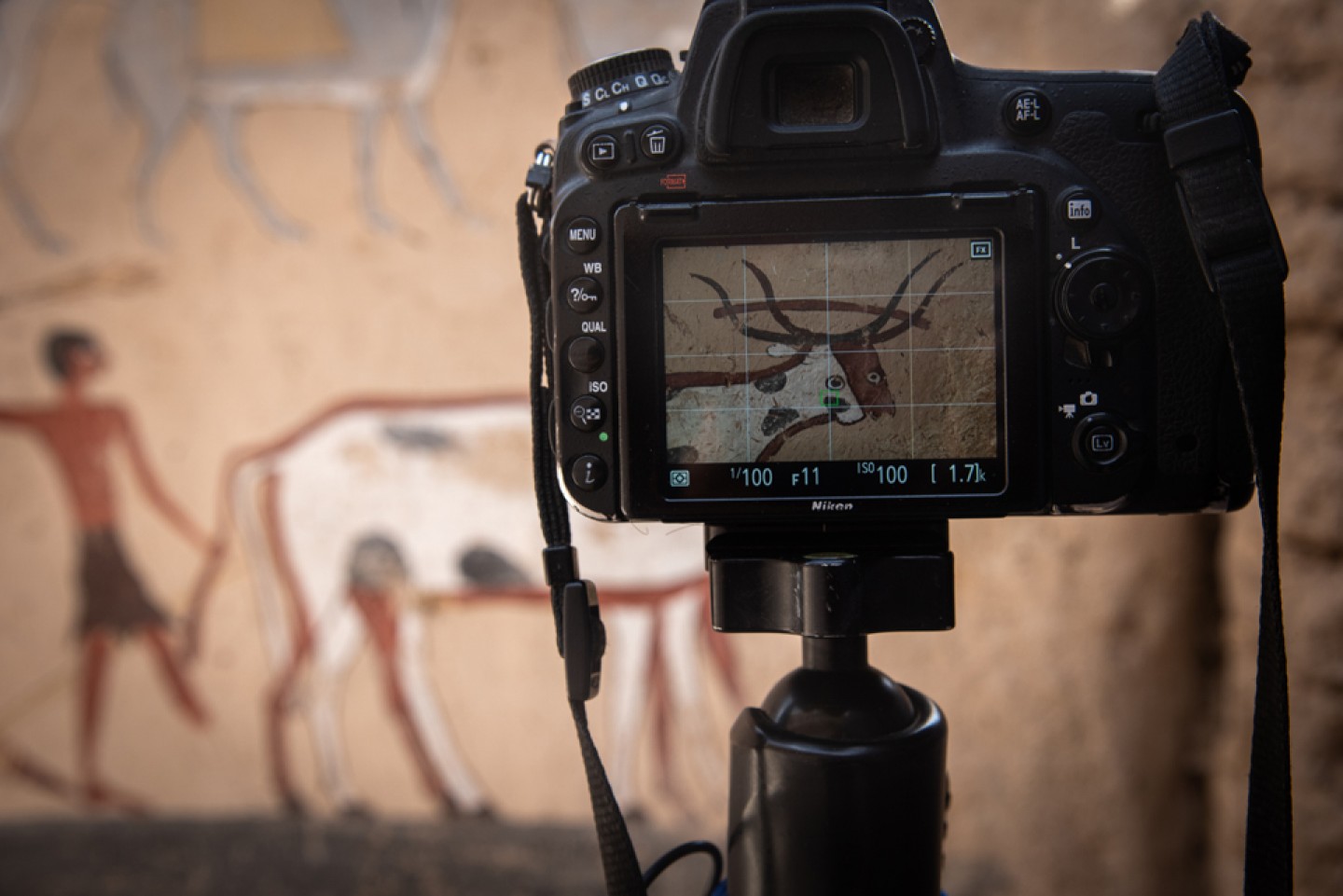
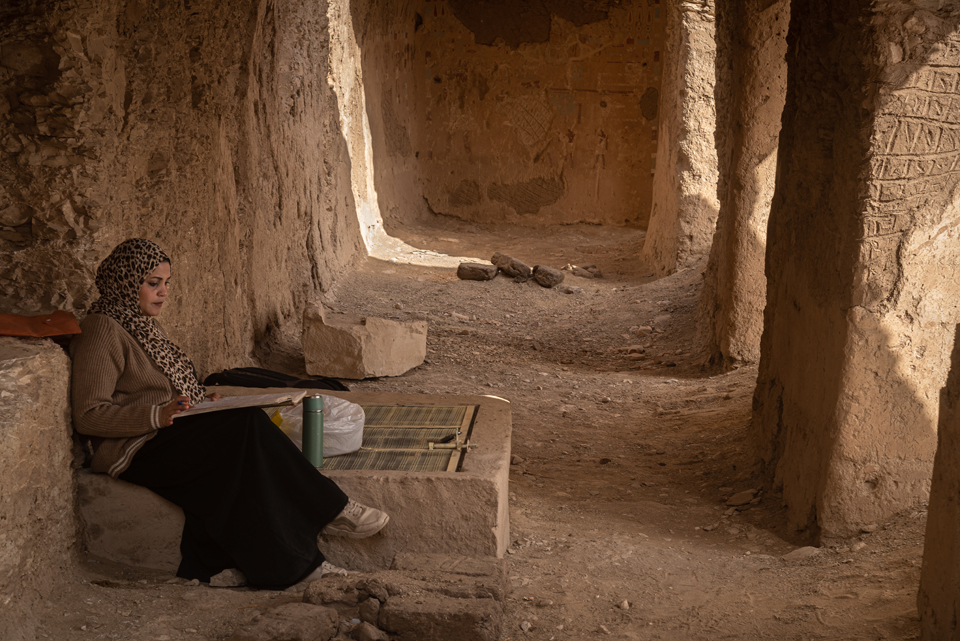
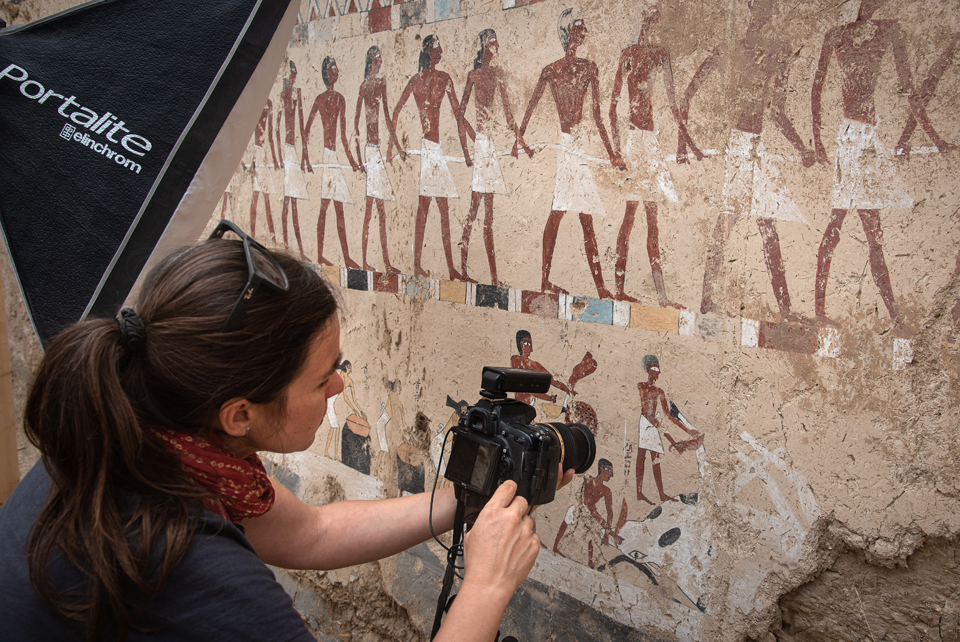
And while the conservators continue with their tasks, our photographer Patricia is documenting each of the scenes of the wall paintings so that their condition prior to restoration remains fully recorded. To do so, the various paintings, wall surfaces, and the iconographic and epigraphic program have been divided into sections, which Antonio is analyzing in order to document every detail of these characteristic Eleventh Dynasty representations in Thebes.