I+D CLM (2025-2028)
Regional government of Castilla-La Mancha – I+D Project SBPLY/24/180225/000170 ARCHEOTHEBES
Exploring the phenomena of resilience, transformation,
and collapse in Pharaonic Egypt: archaeology, conservation,
and epigraphy in ancient Thebes (Luxor)


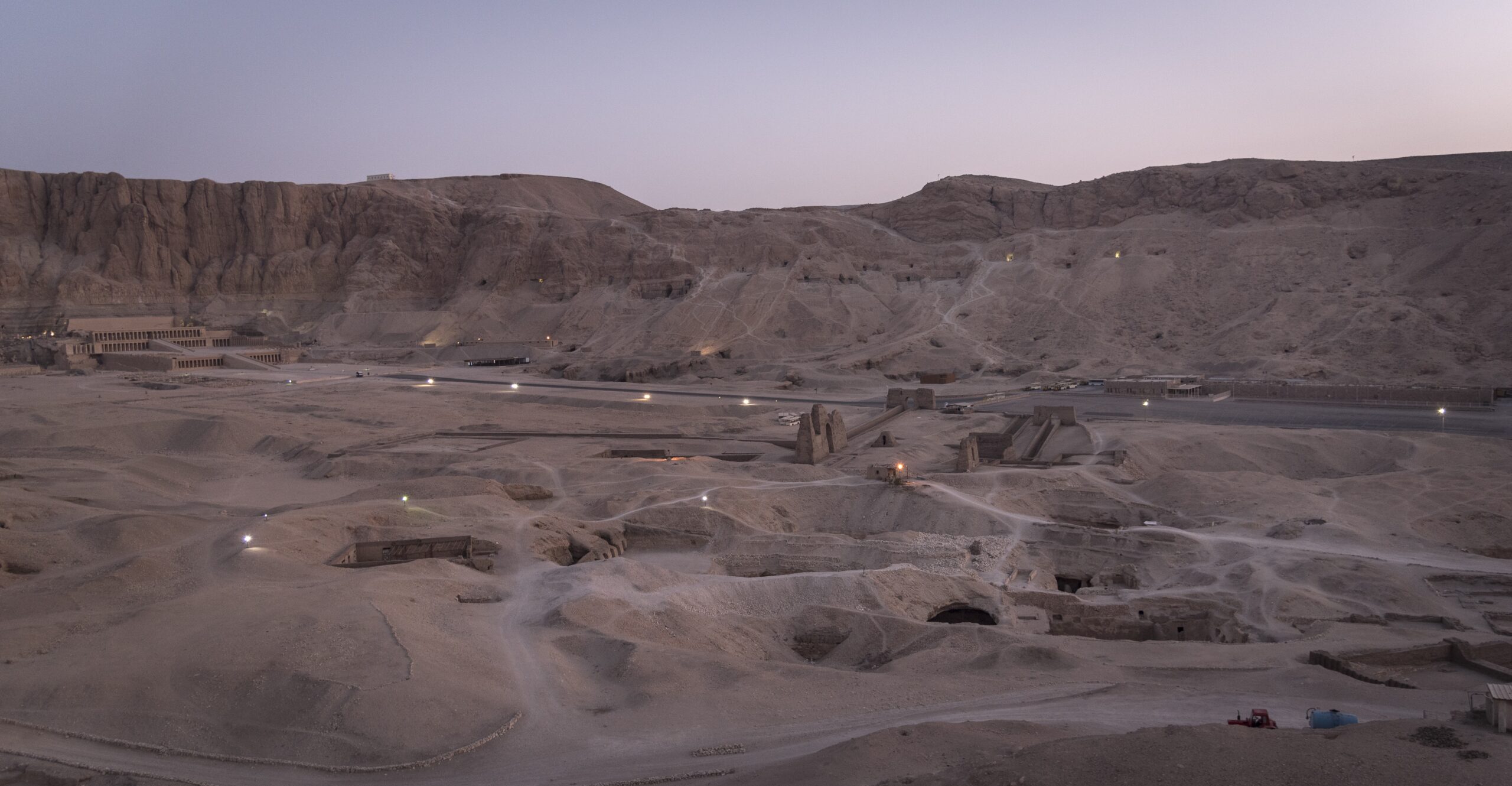
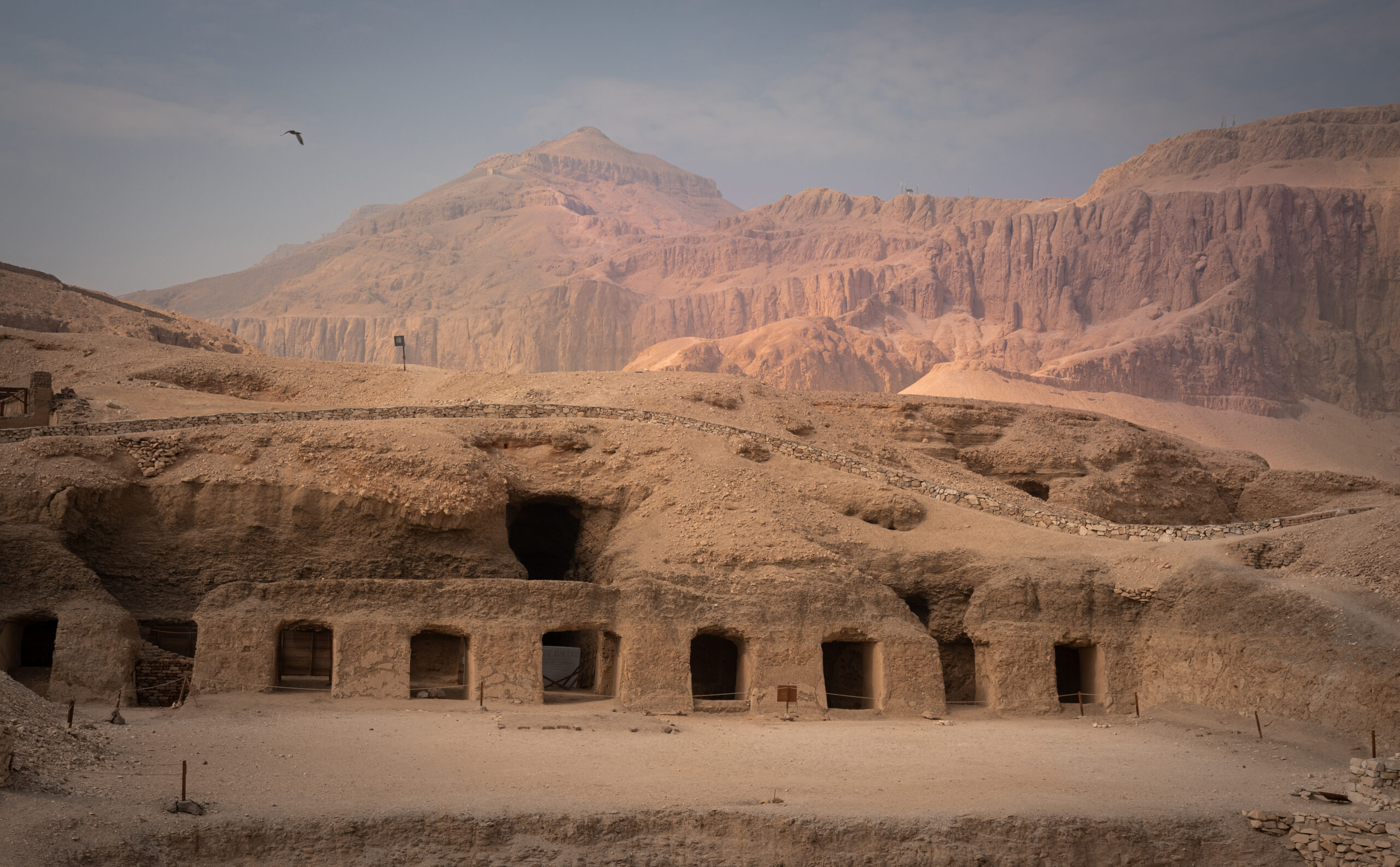
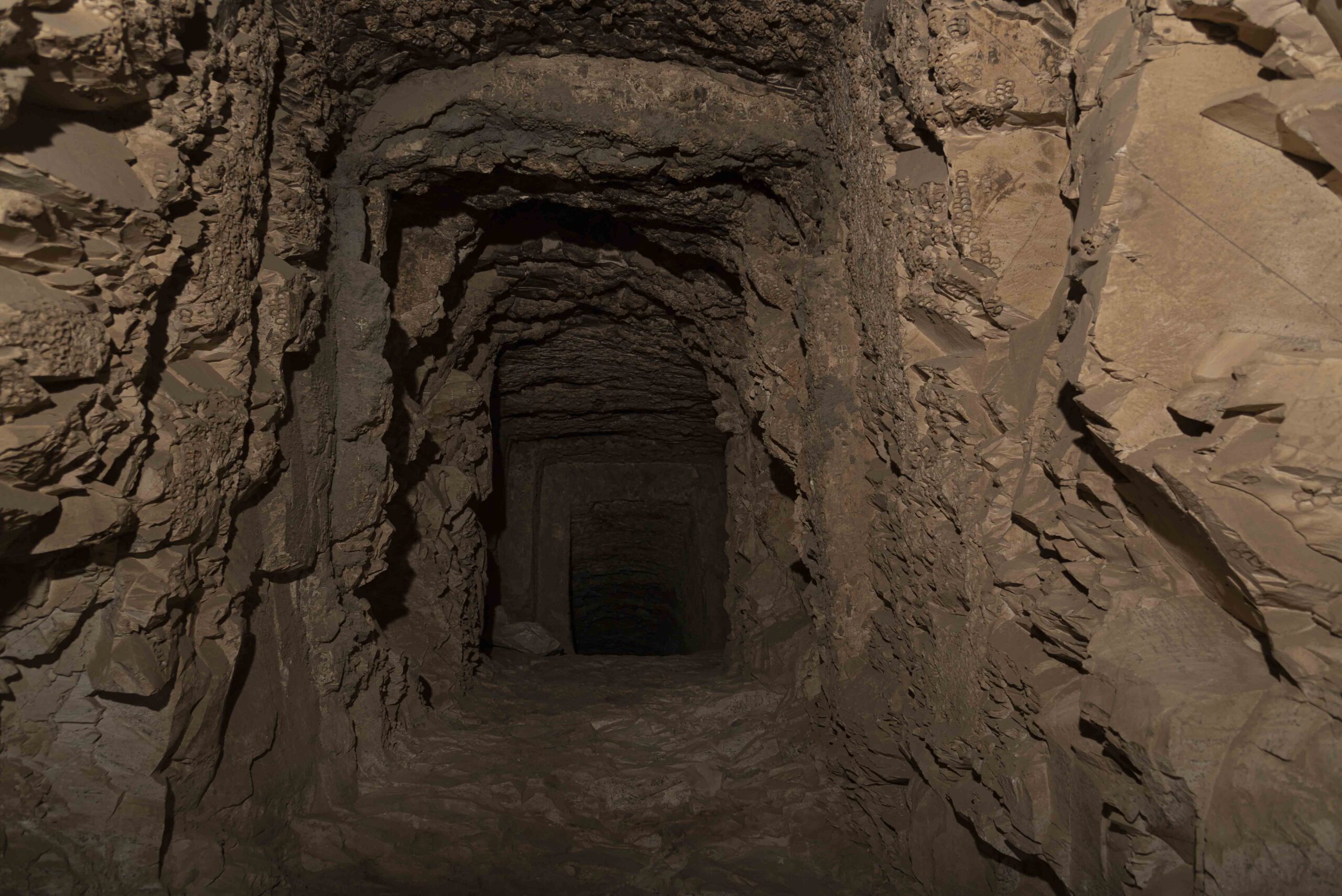
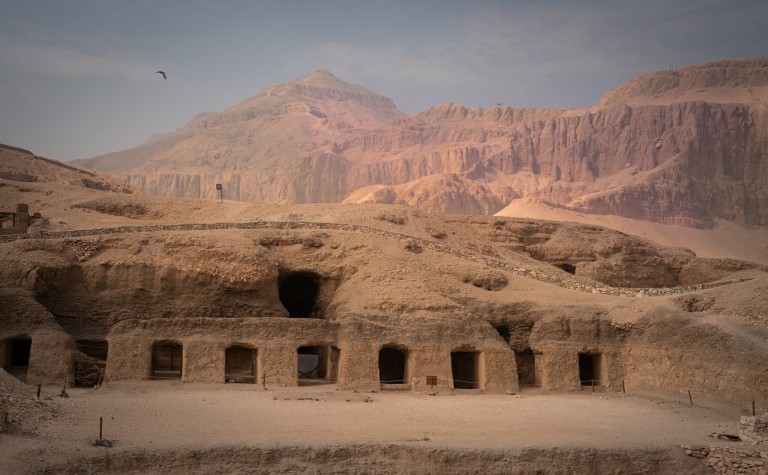
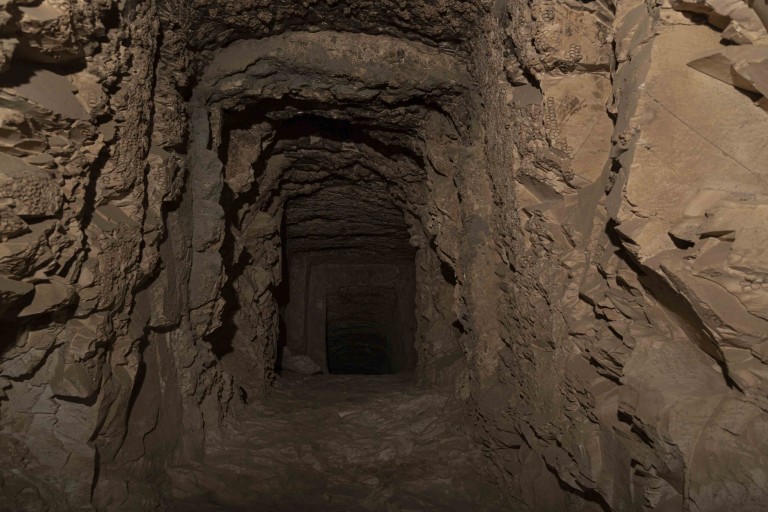
The ARCHEOTHEBES project – following a previous phase (SBPLY/19/180225/000080) – will apply an unprecedented large-scale, multidisciplinary approach to the study of the city of Thebes in the First Intermediate Period and the Middle Kingdom (2150-1900 BCE). The establishment of the intended research will take place along four axes: (1) the study of the Theban cemeteries and their development in these periods; (2) the examination of settlements and urban landscape in Thebes; (3) the analysis of the temples and their cultic activities; (4) the mapping and study of the entire region of Waset. Above all, the fundamental purpose of the project is to clarify the role of the ruling elites and communities of Thebes in the construction of the Middle Kingdom and, in doing so, help to define the environmental, social, and cultural transformations experienced by this city during 250 years. These four axes – historical, archaeological, and philological – serve as a contextual grid for the central activity of the project: the historical plotting and tracking of the lives of the Theban inhabitants in a highly transformative period of social change, economic redistribution, migratory flows, and political struggle between provincial rulers. The later reconfiguration of this model in the early twelfth dynasty will evidence the adaptative attempts of the central state and the royal authority to a new milieu of semi-autonomous nomarchs, regional unrest, and even regicide.
This research will be accomplished partly through fieldwork initiative in Egypt, namely archaeological excavations, geophysical surveys, and implementation of remote sensing/GIS in areas of cemetery, settlements, temples. It will also be achieved by various lines of research involving collection of data into a database, analysis of previous data (from archives at the Met Museum and the French-Karnak center, excavations, and bibliography), and combination of this evidence with newly unpublished information. The process, enriched by the evaluation of a wide range of primary sources (text, iconography, material culture, monument), will stimulate the deep understanding of each of the four axes and the reconstruction of a diachronic history of the city. This model of research demands a large team, beyond-cutting-edge technology, and traditional methods (library/archive/fieldwork) in order to transform the way in which scholars tend to approach the study of a Second Millennium BCE city.
Members of the I+D CLM Project
Antonio Javier Morales Rondán (University of Alcalá, PI)
Sergio Alarcón Robledo (University of Yale)
Teresa Bardají Azcárate (University of Alcalá)
Manuel Francisco Carrillo Rodríguez (University of Alcalá)
Flavio Celis D'Amico (University of Alcalá)
Ernesto Enrique Echeverría Valiente (University of Alcalá)
Carlos Gracia Zamacona (University of Alcalá)
Beatriz Noria Serrano (University of Seville)
Raúl Sánchez Casado (University of Seville)