1_DSC9673

The curtain comes down…

Image: Patricia Mora Photography

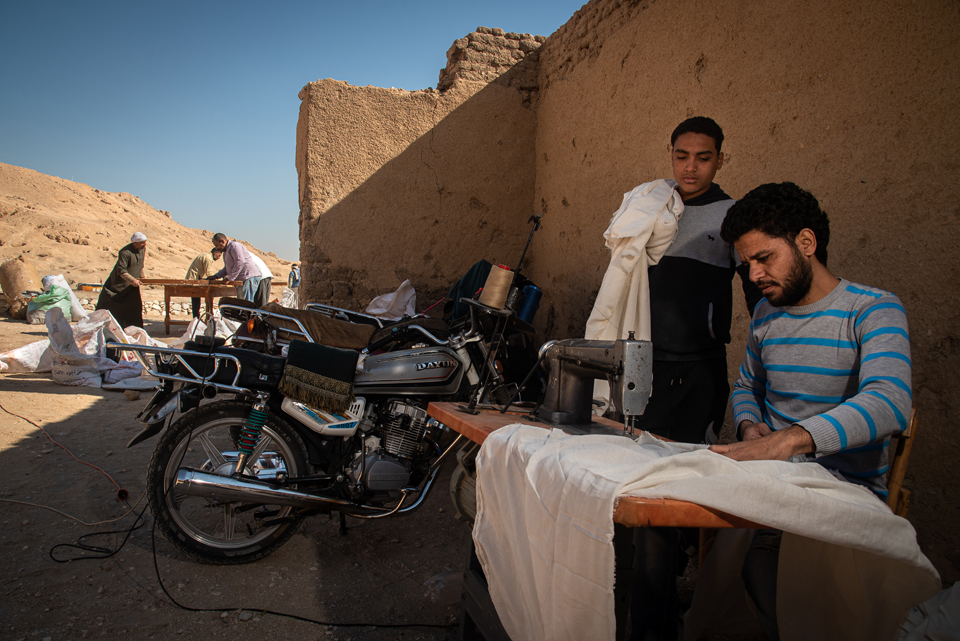
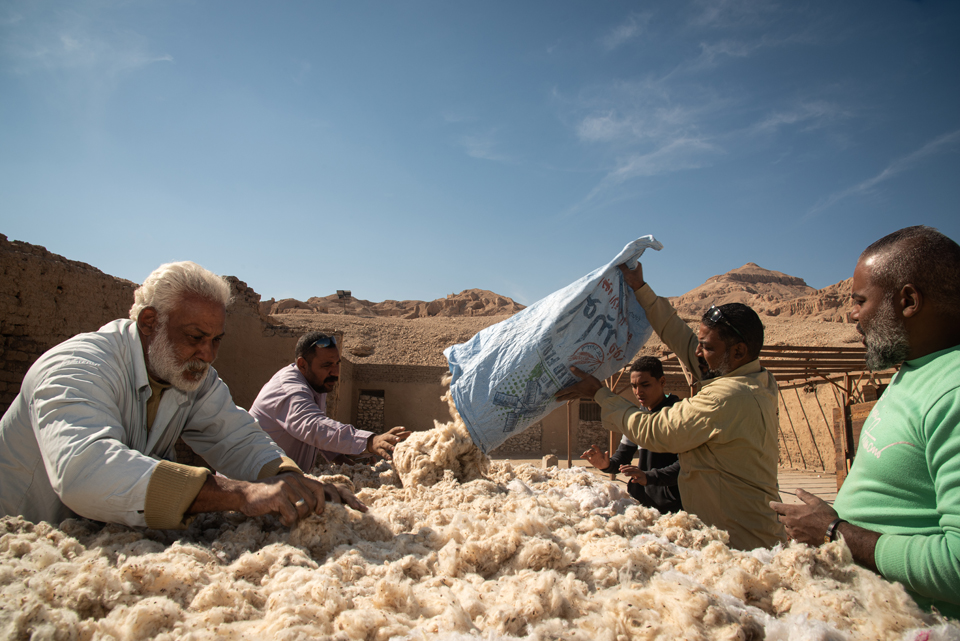
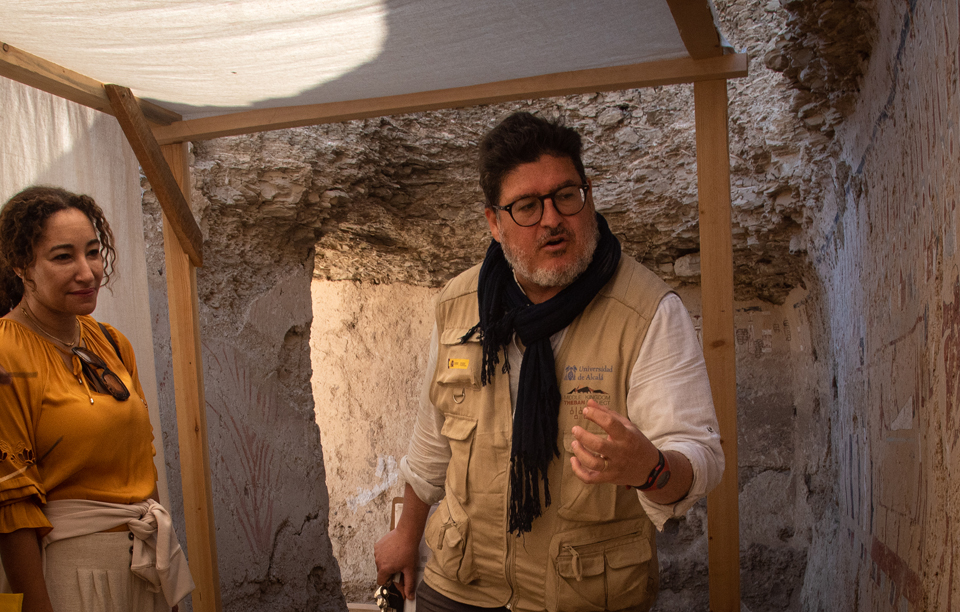
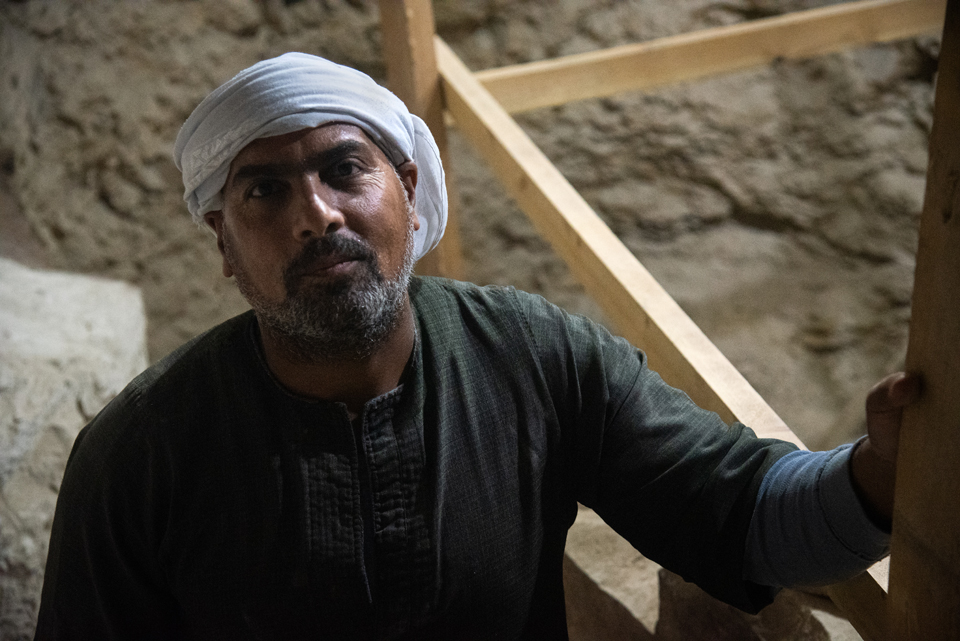
How could we sum up the end of the campaign in just a few words? Our rais, Ali Farouk, has been a fundamental pillar in the scientific, archaeological, and social fabric that an expedition in Egypt is meant to be. The inspectors, moreover, have contributed at every moment with their professionalism and experience. The gafirs, always watchful from their hills and wadis, have known how to keep—and will continue to keep—the monuments safe and free from incident. It can be said, without any doubt, that all the Egyptian staff have been key to achieving our objectives. And finally, there is the outstanding team of researchers, students, and fellows who have worked tirelessly and with great dedication to meet each of the goals set at the beginning of this adventure. The 2025 campaign represents a small step in the study of the tombs of Ipi and Djari, but it has achieved milestones that will be decisive for what lies ahead in the coming years. Insha’allah, we hope that one day we will be able to say that “it all began with the work carried out in 2025.”
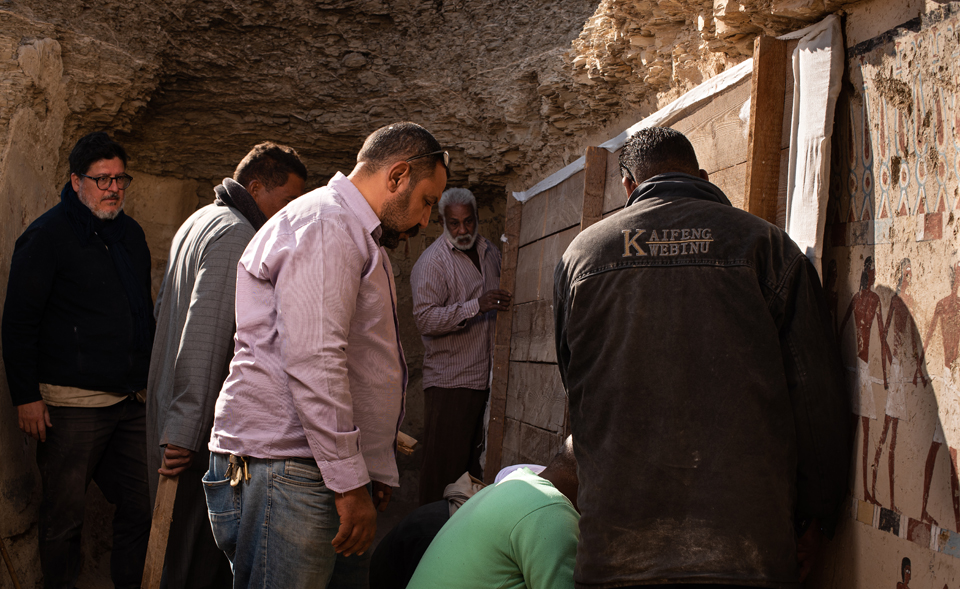
Image: Patricia Mora Photography

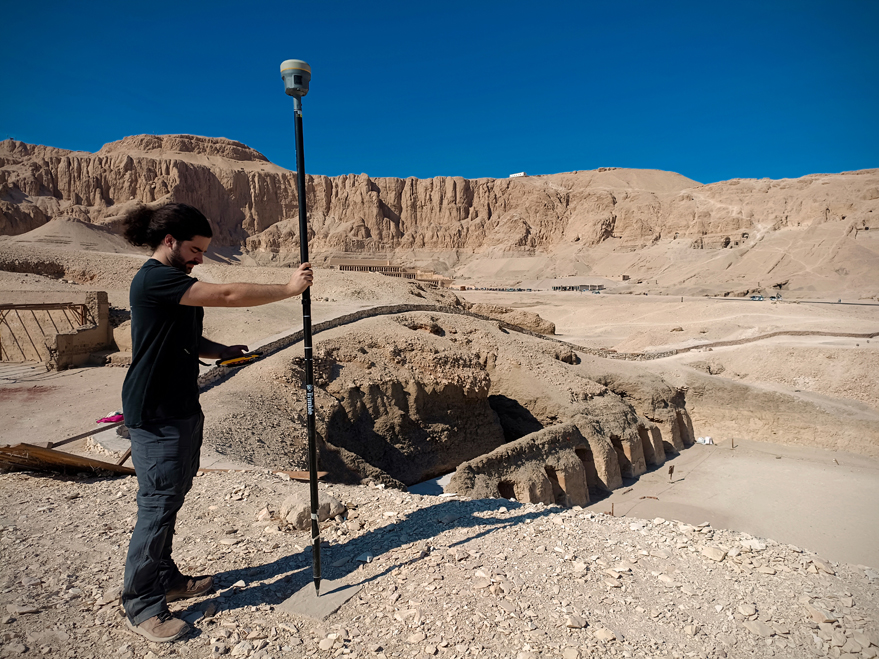
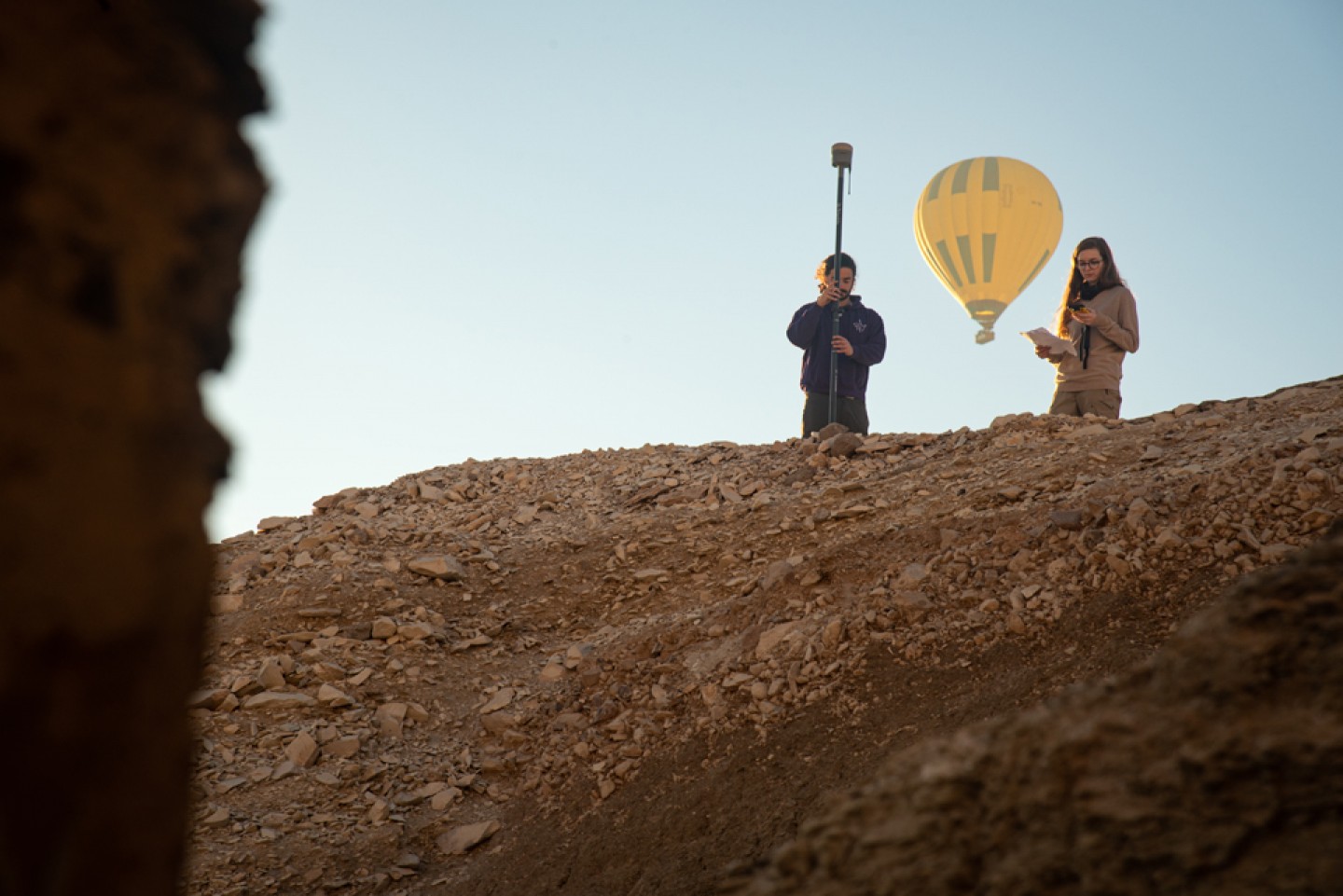
The close of the campaign has come after 30 days of intense work and many stages to overcome, in accordance with the team’s plans for this tenth campaign. The ten years of the University of Alcalá (UAH) expedition and its Middle Kingdom Theban Project outline a general plan that encompasses several tombs of study and a range of political, social, and religious aspects to be investigated. Each campaign, therefore, is a small achievement—a piece of a much larger puzzle that is gradually taking shape. One of the aspects we sought to review this season was the network of points created in previous years: as in the days before, Fernando—this time assisted by Rebekah, who had completed her work in the tomb of Ipi—took measurements throughout the UAH-MKTP concession to assess the accuracy of our data.
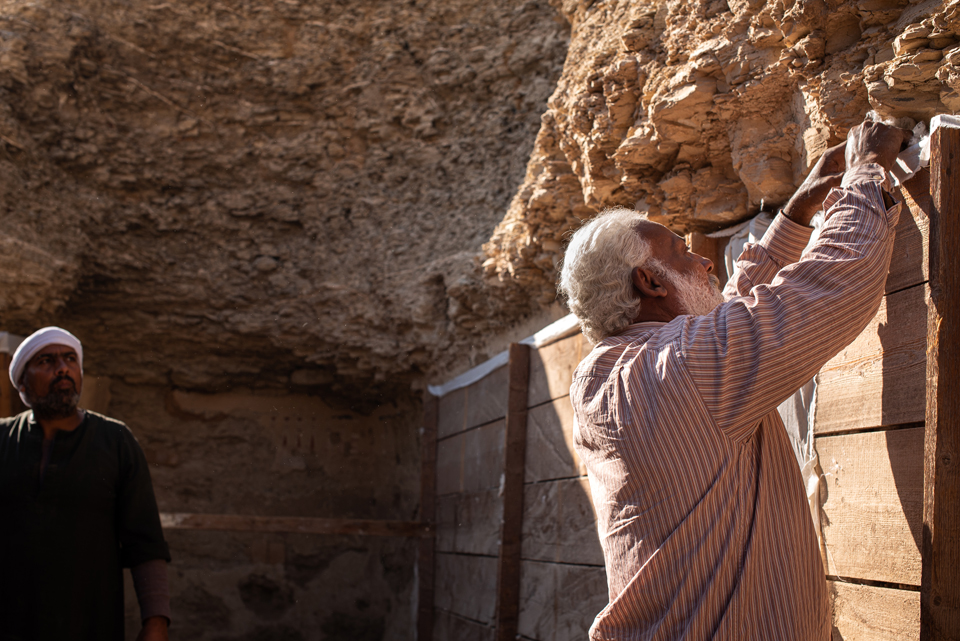
Image: Patricia Mora Photography

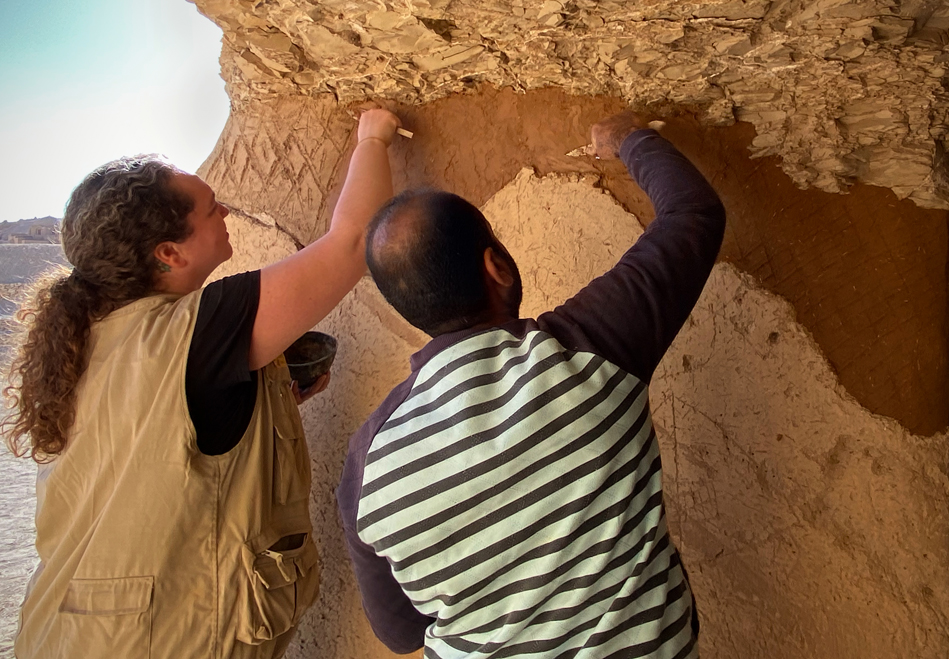
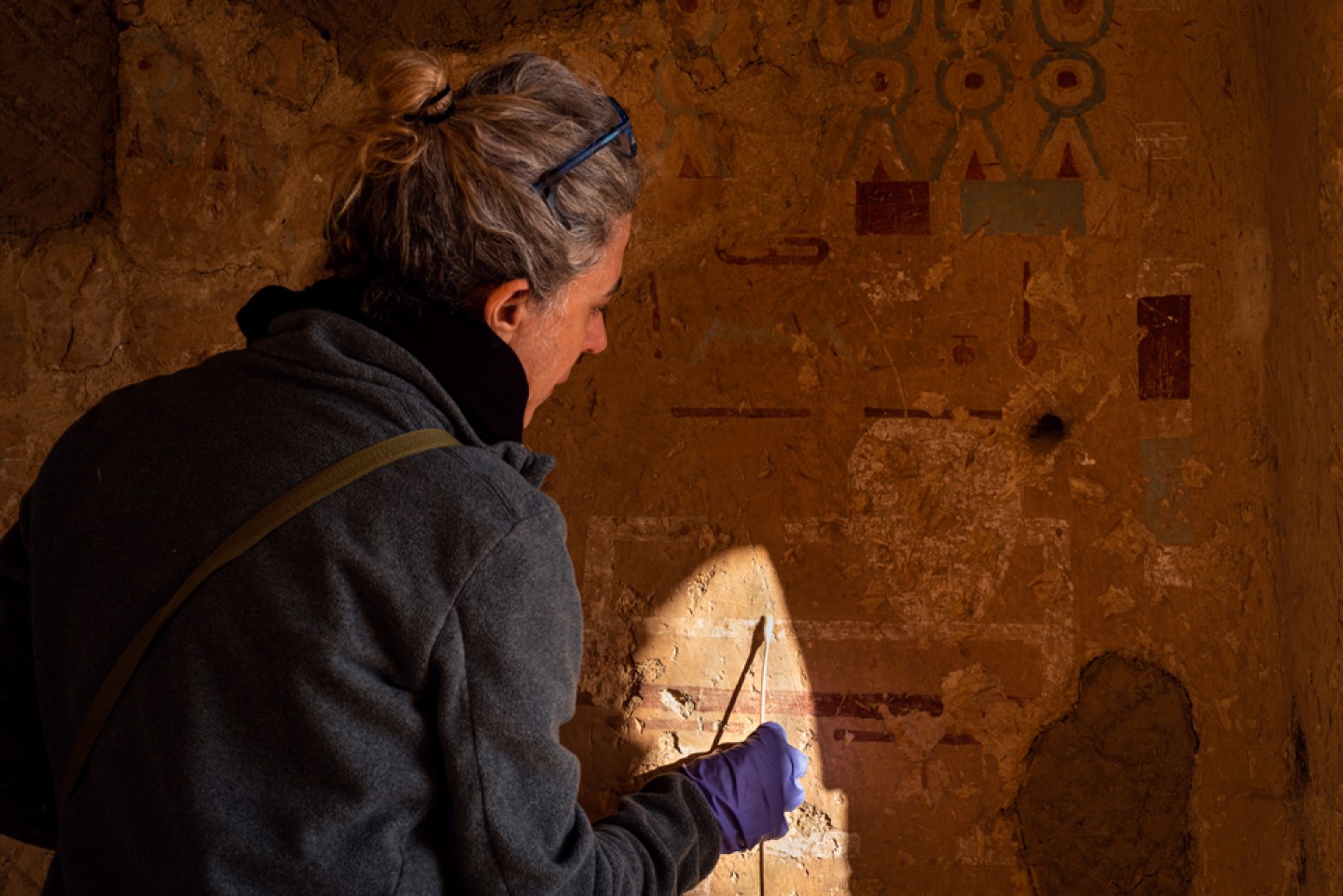
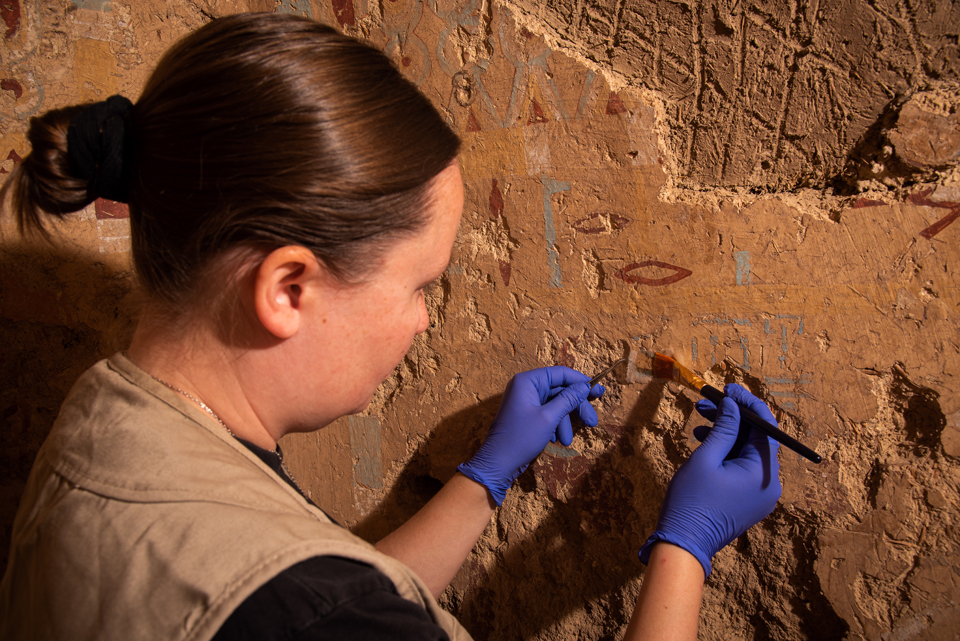
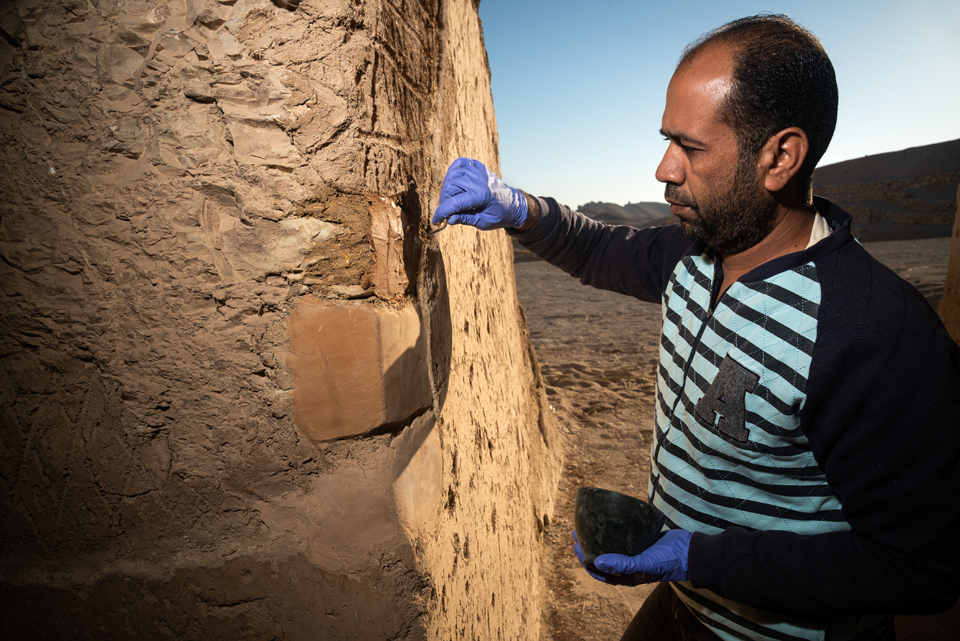
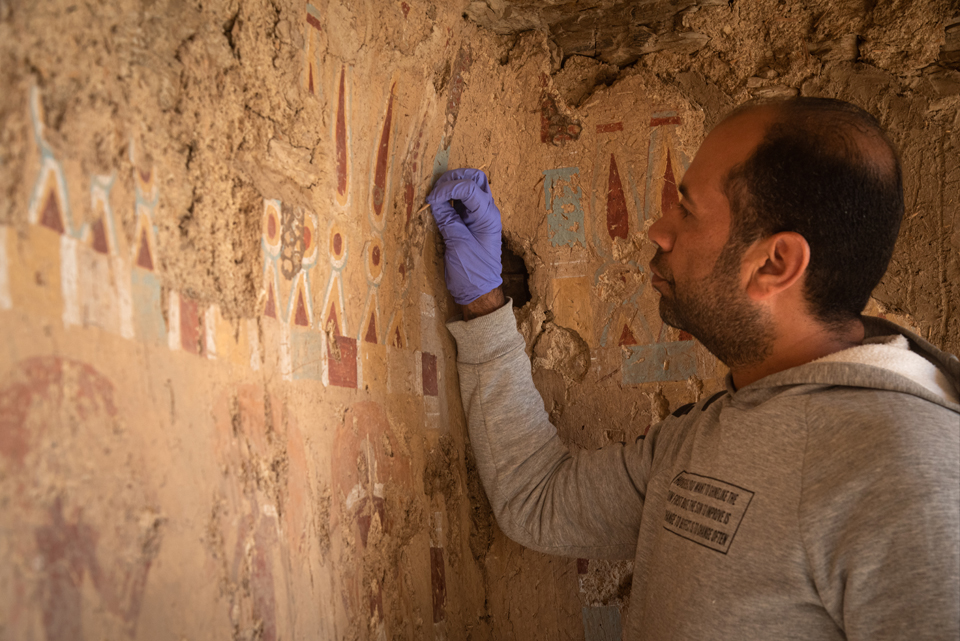
Meanwhile, in the tomb of Ipi, the definitive closure of this campaign was carried out. The head of the gafirs, Sheikh Hagag, fulfilled his duty in the orthodox and ceremonial manner that characterizes this stage, after which the team focused on completing, with some urgency, the remaining tasks in the tomb of Djari. At this monument, the time also came to leave the site, and the plan to protect the structure was put into action. On the one hand, the group of Coptic carpenters reappeared—after having taken measurements two days earlier—with the commissioned boards completed. It was crucial to ensure a padded surface to protect the paintings, as well as a robust and extensive set of boards to isolate them and prevent damage from sunlight, humidity, or any unforeseen mishap. Under the direction of the moudir, the boards were installed one by one with the help of Miguel and Raúl, who took great care to avoid risks, impacts, or accidents, while Patricia documented the process photographically. At the same time, the conservators sought to consolidate or protect certain areas where the installation of the boards might pose more of a problem than a solution.
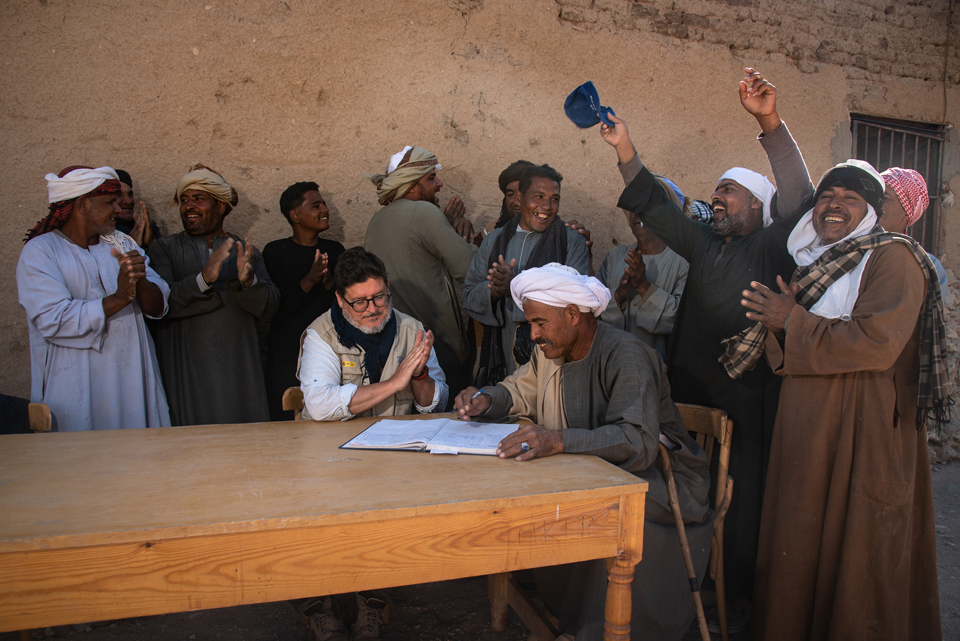
Image: Patricia Mora Photography

At the end of the day, as tradition dictates, the workers were paid and we all shared a small reception of pastries and drinks, along with the customary signing of the rais’s yearbook, which records all the teams, projects, and details of the expeditions with which our rais has worked.

Tonight, in the early hours, we depart back to our respective homes and institutions, with the satisfaction of having achieved our objectives and the feeling that it is time to take a short break away from the passion, intensity, and excitement that working in Egypt entails.

Thank you, Egypt, for everything you give us, and Happy Christmas to all our friends!
1_L1010972

On the eve of the campaign’s end

Image: Patricia Mora Photography

Only a few hours remain before the close of the 2025 archaeological campaign. The team has made the most of the weekend to rest and recharge for the very little that is still left to do, which nonetheless carries, of course, a very special significance.

Image: Patricia Mora Photography

The end of the campaign means, on the one hand, leaving everything properly packed away, stored, and ready so that it will not cause any problems for the ghafirs or guards of the necropolis over the coming year. On the other hand, it also means leaving behind many shared experiences, with colleagues and local workmen with whom we have enjoyed ourselves and worked hard, and that is always a difficult “goodbye.” Over the coming months we will feel, as lovers of ancient Egypt like to say, the “sting of the Egyptian scorpion” (others speak of the “curse of the pharaoh”), which compels one to keep thinking about this country and to return as soon as the opportunity allows. Be that as it may, the end is drawing near, and the team is preparing to give its very best tomorrow and to enjoy these final hours together.

The day off was used by different members of the team to visit various sites in the area, go for a walk, do some shopping, or simply recover their strength. Some, like our moudir, took the opportunity to build up energy and try to shake off a cold that had left him knocked out for several days. In addition, our conservator Reed left the hotel last night to fly back to Scotland, so we will be one team member short for tomorrow’s campaign closure.

Image: Patricia Mora Photography

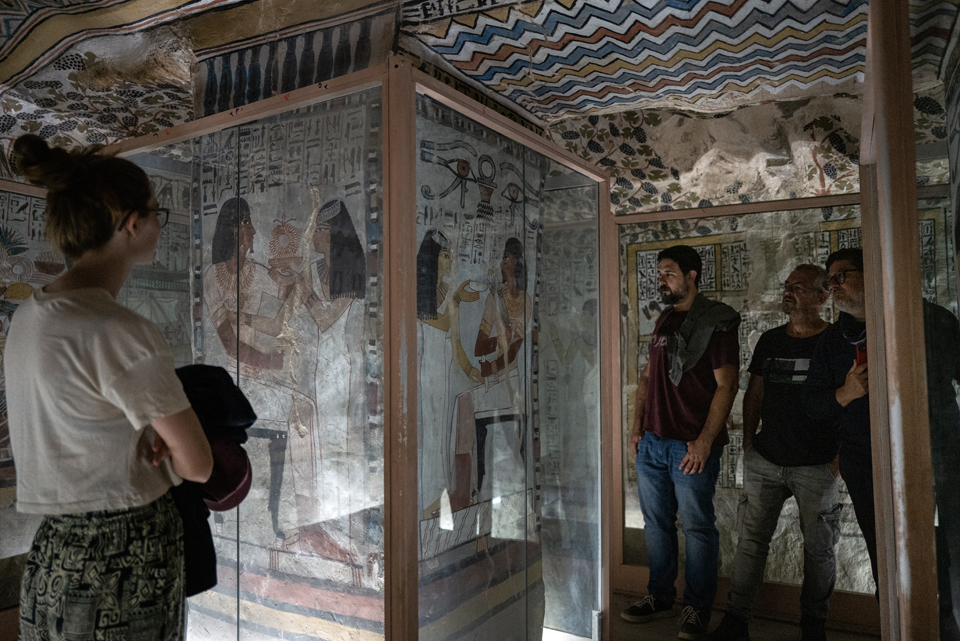
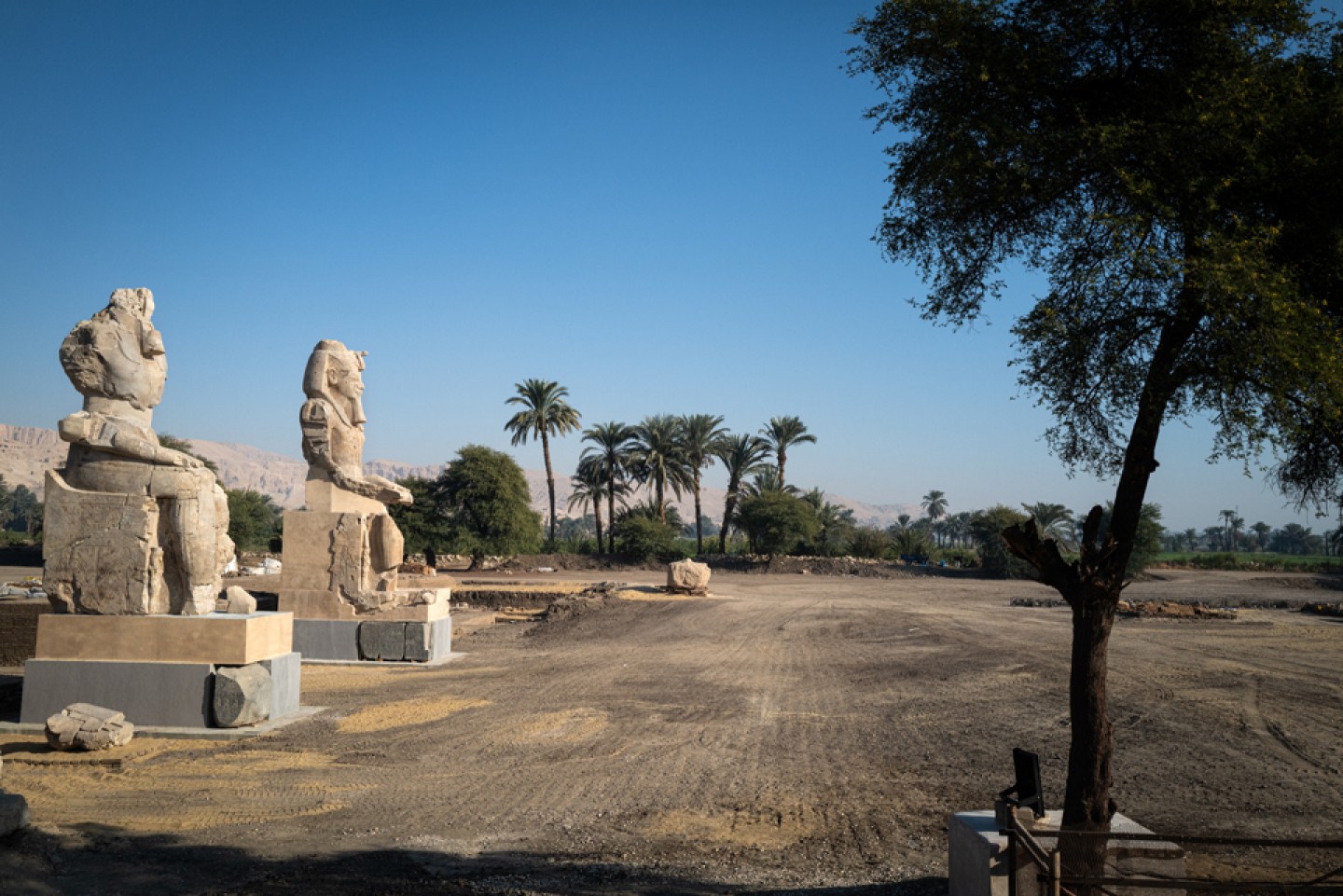
Some members of the team took the opportunity to visit the temple of Amenhotep III and have a look at the smaller alabaster colossi erected just a week ago. We also visited the nearby tombs of Sennefer (TT 96) and Rekhmire (TT 100), where we enjoyed the beauty of these monuments and discussed the iconographic and textual programmes of both tombs. To the exceptional depiction of grapevines on the ceiling of Sennefer’s tomb is added the wide range of scenes showing the work of the vizier Rekhmire, the stages of his Opening of the Mouth ritual, and even the gifts brought from foreign lands—all of which remind us of the power and charisma wielded by these officials of the New Kingdom.

After enjoying a peaceful day in which we were able to carry out many different activities, only the final day of work in the tombs of Ipi and Djari remains tomorrow… inshaa’allah, may it be a great day and may we be able to bring this campaign to a close in the best possible way.

1_DSC9513

On our penultimate day, one for all and all for one

Image: Patricia Mora Photography

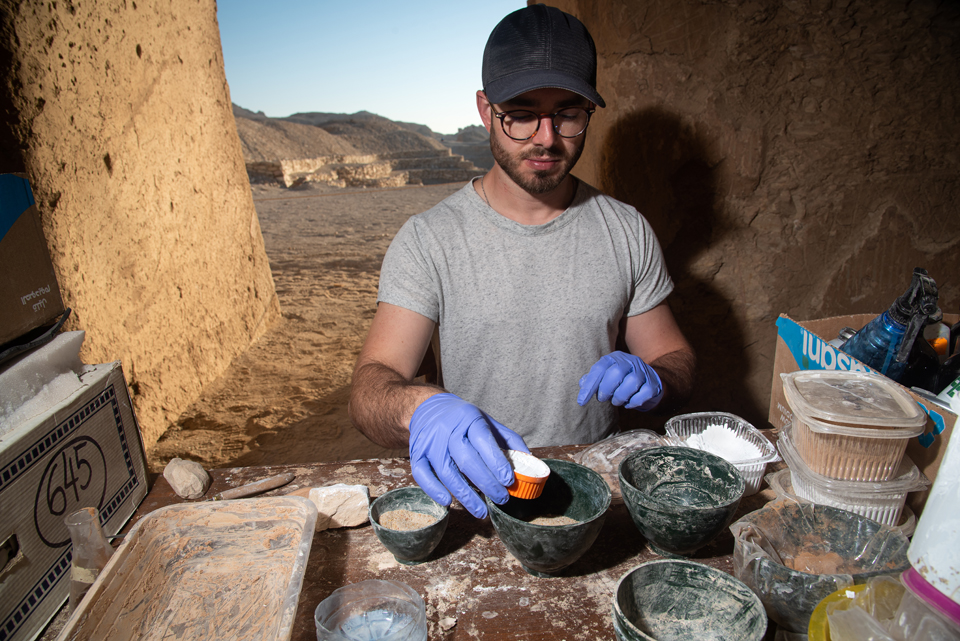
As we have been reporting, the end of the campaign is always marked by stress, intensity, constant rushing, and unfinished plans. In the case of the Ipi complex, the team has succeeded in completing its main objective: dismantling and cataloguing all the loose fragments of the sarcophagus. At the same time, work continues at full speed in the tomb of Djari, director of the kheneret (a term meaning “prison” or “forced labour”), where the sheer number of scenes, spaces, walls, and mortars requires an uneven and necessarily slow pace of work along its surfaces. Even so, progress has been considerable. We now know which types of mortars (with or without lime) are the most suitable, we have identified the behaviour of the pigments, and we are able to apply them appropriately to each wall. Inshaa’llah (“God willing”), in a few campaigns’ time we will be able to say that this work –so difficult to initiate because of its complexity– has been successful and, above all, that the tomb of Djari has been saved and recovered for posterity.

Image: Patricia Mora Photography

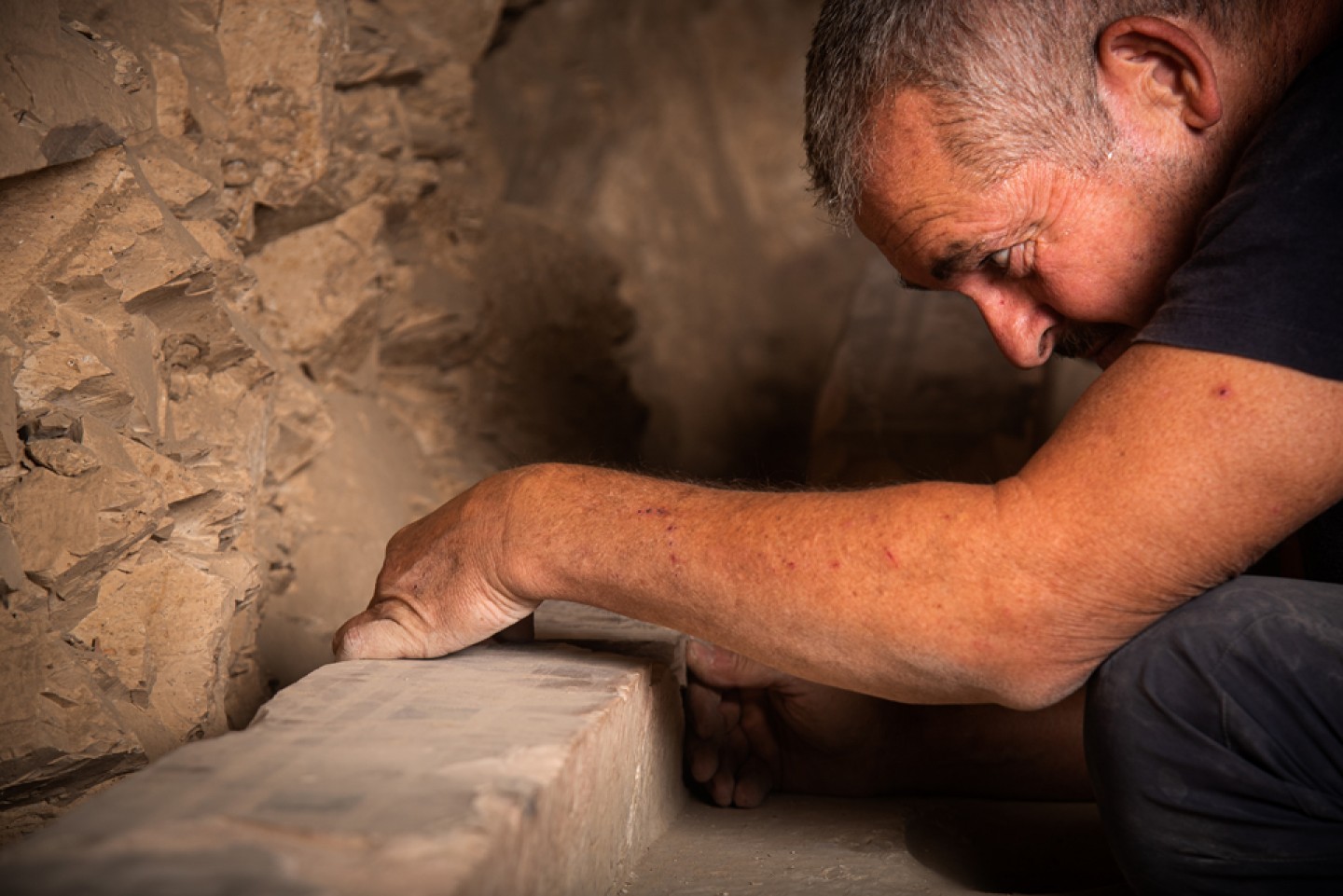
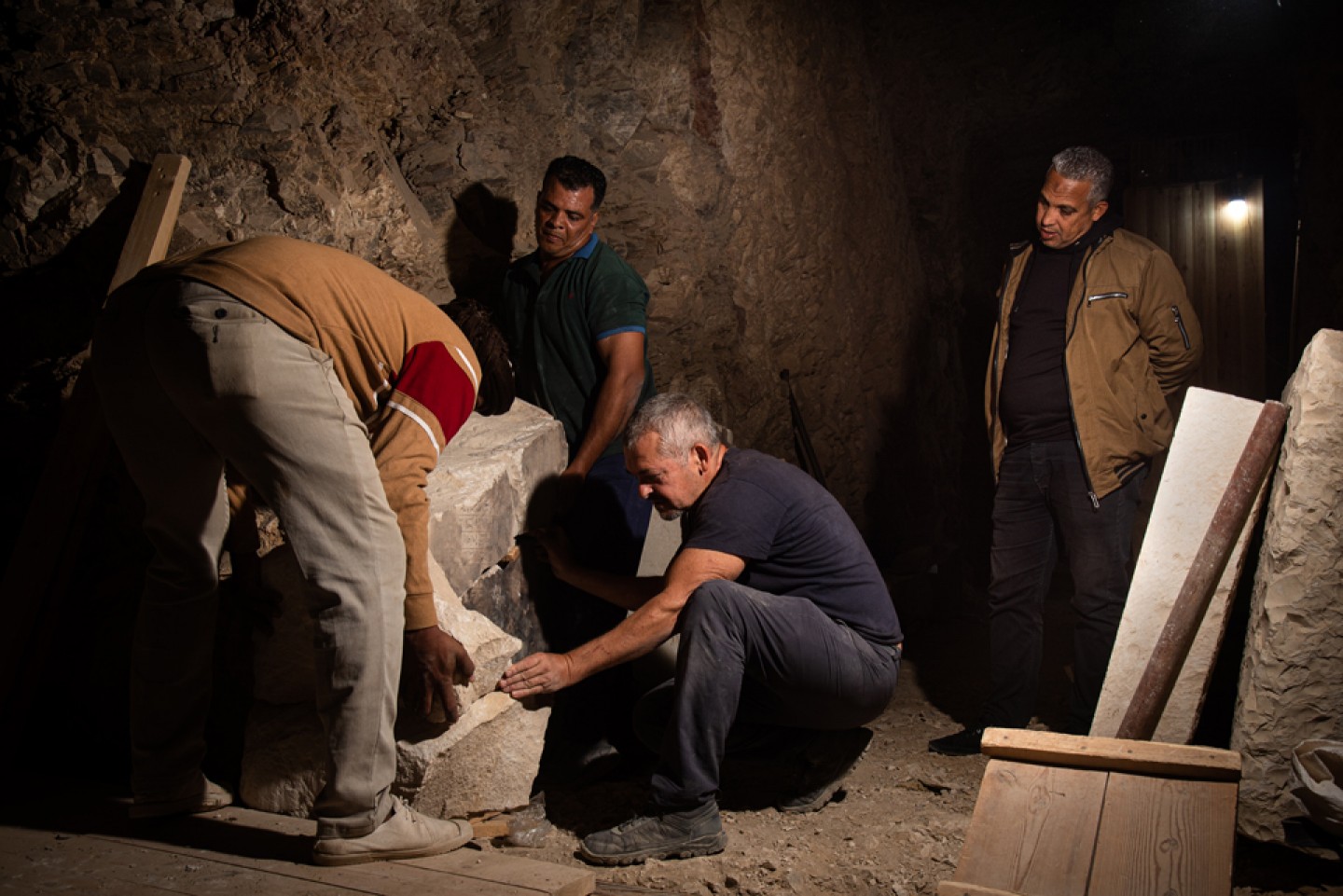
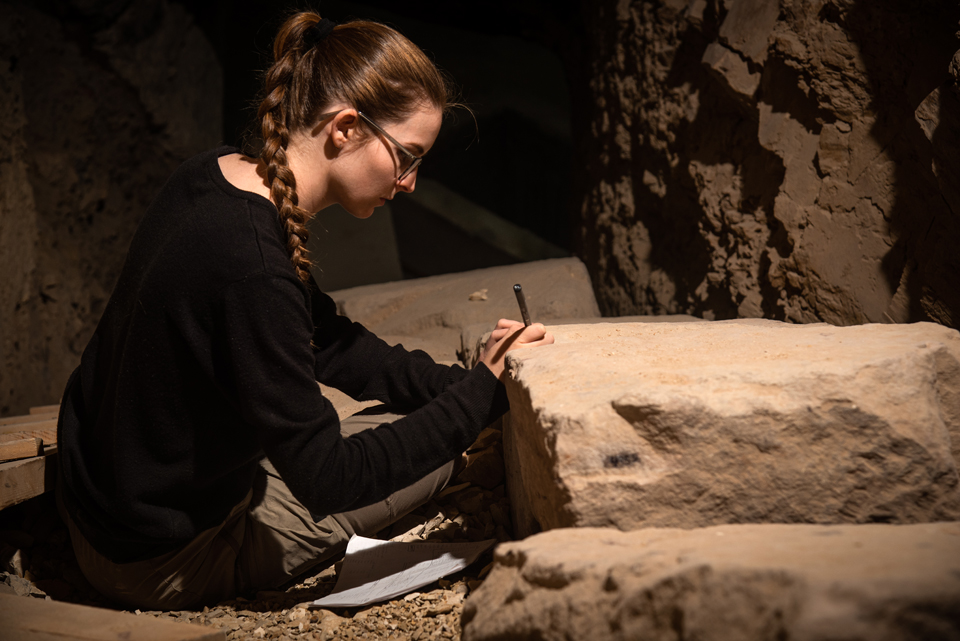
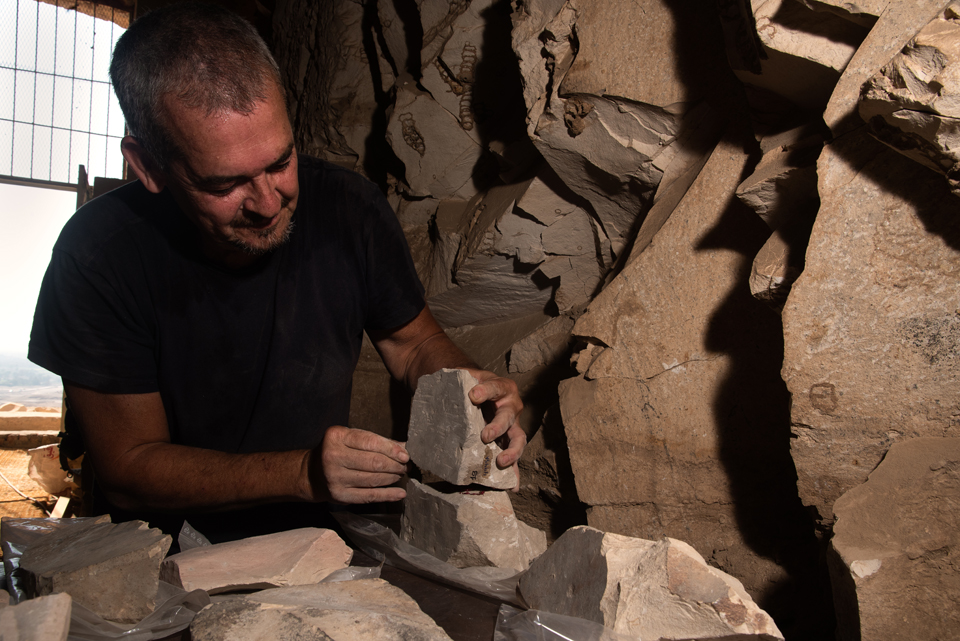
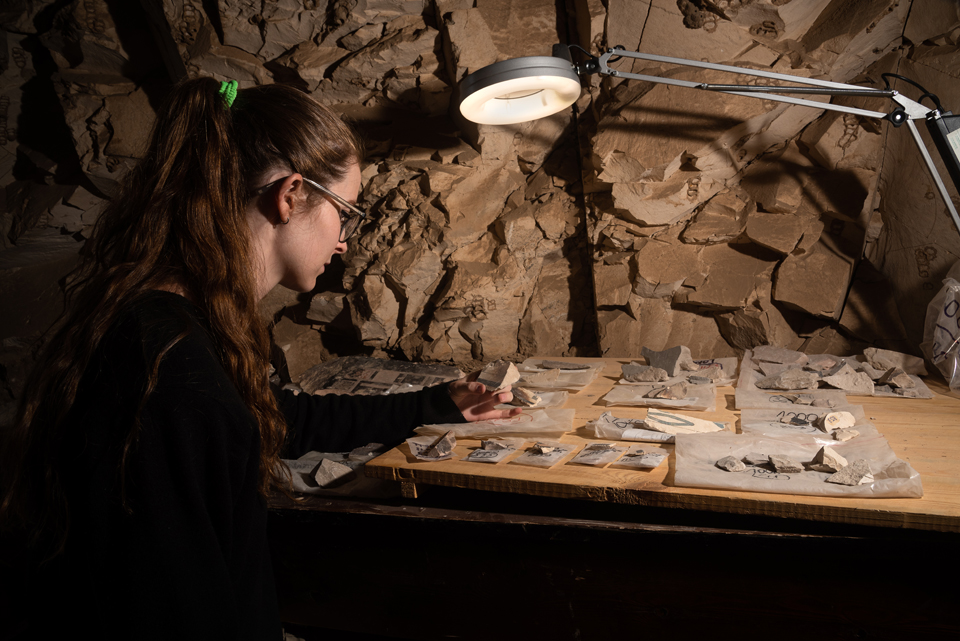
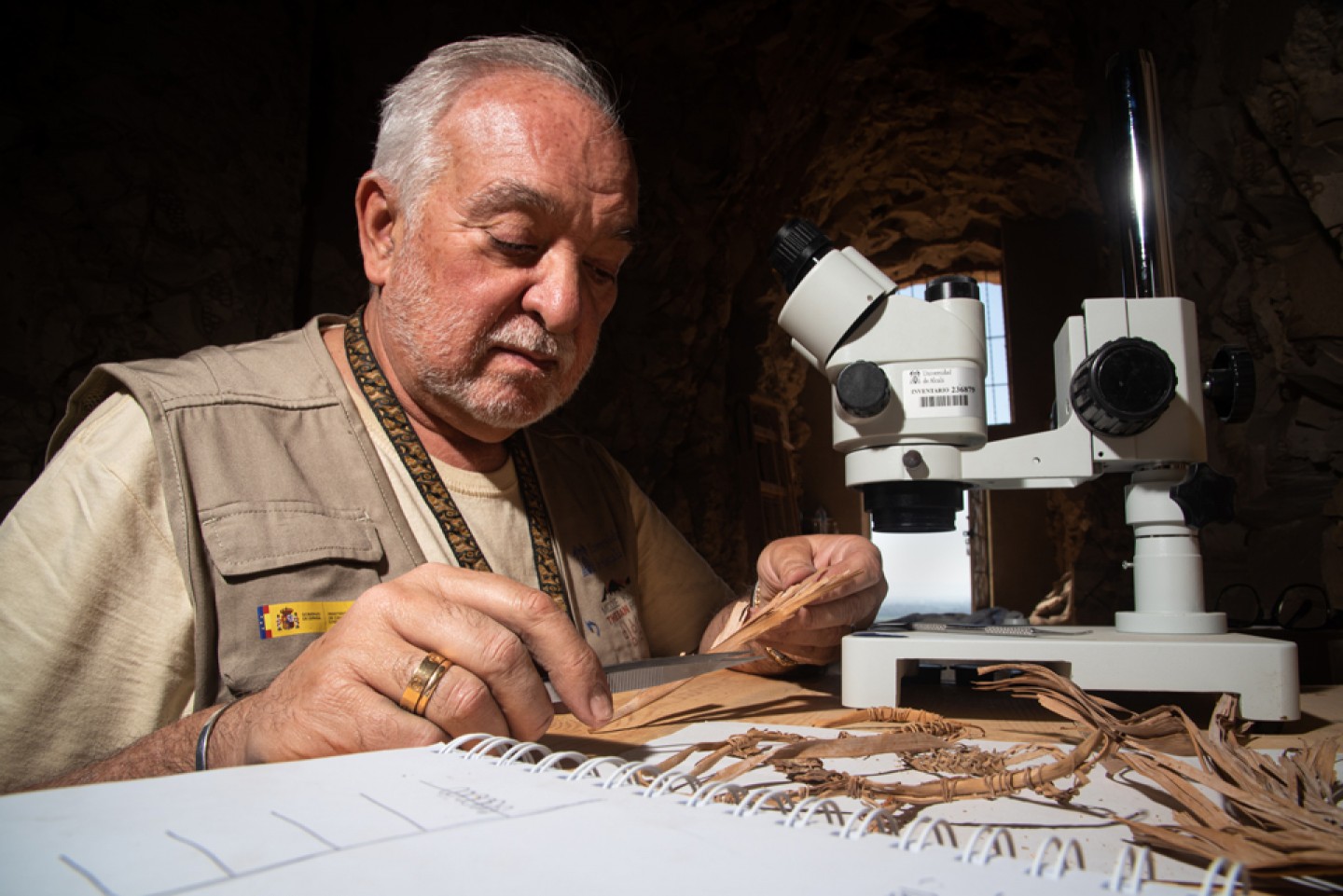
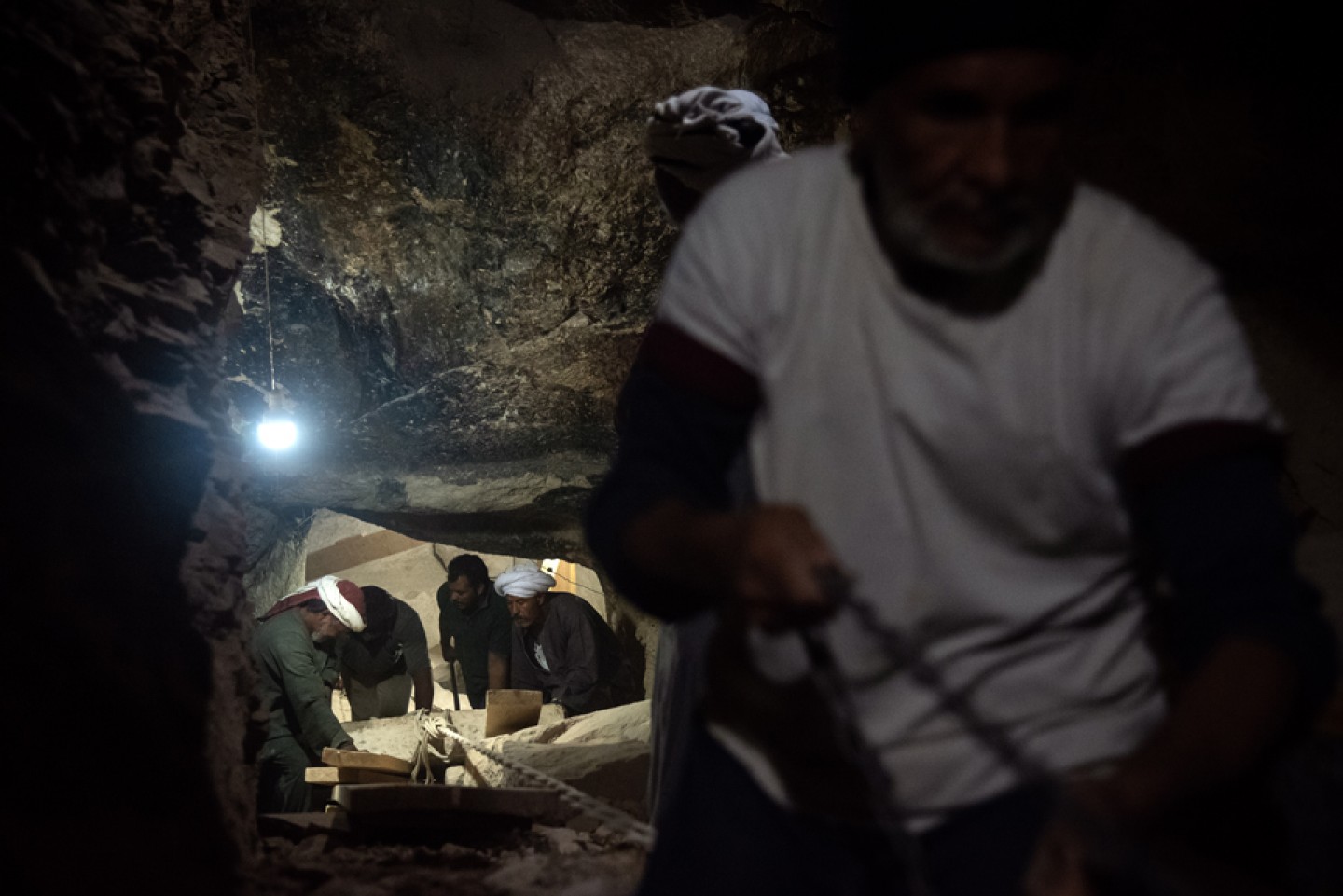
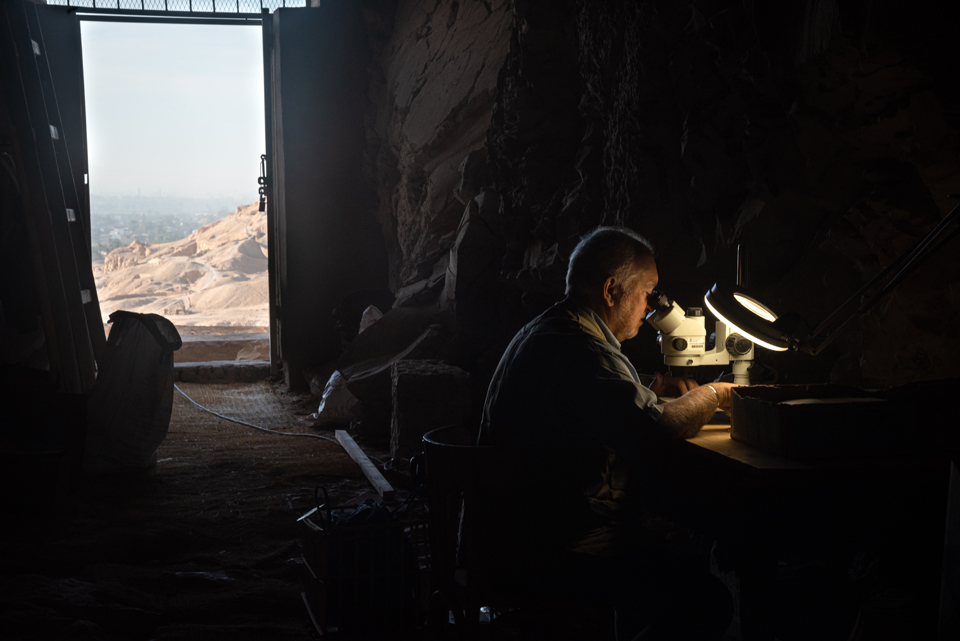
The tomb of Ipi is closing its doors to the MKTP team for this year. The days of a dozen workers under the direction of the unbreakable Miguel (so called for being tough as stone and for pursuing objectives without wavering) have now come to an end. For weeks, Raúl and Rebekah were assigned to the main corridor of the tomb, cataloguing, examining, and documenting each of the large fragments that arrived at their worktable. When it was not a small fragment (weighing only 300 kilos!), it was a limestone block of nearly a tonne that had to be studied in situ. Their work has been exemplary, making the most of every day in order to record everything, miss no detail, document each fragment, and provide a thorough account—through files and notes—of all that was removed from Ipi’s funerary chamber. The three of them, under the nickname “Ipitin” (sic) (= Ipi Team), have greatly enjoyed the experience, forging close ties with the workers and documenting in detail this deconstruction of the sarcophagus, which will one day give way to the reverse process of reconstruction. Further down the same corridor, and this time dealing with much lighter objects, Daniel Sánchez was stationed for a week. With his knowledge and passion, he not only analysed bouquets and garlands but also taught us a great deal about the world of plants, trees, seeds, and fruits.

Image: Patricia Mora Photografy

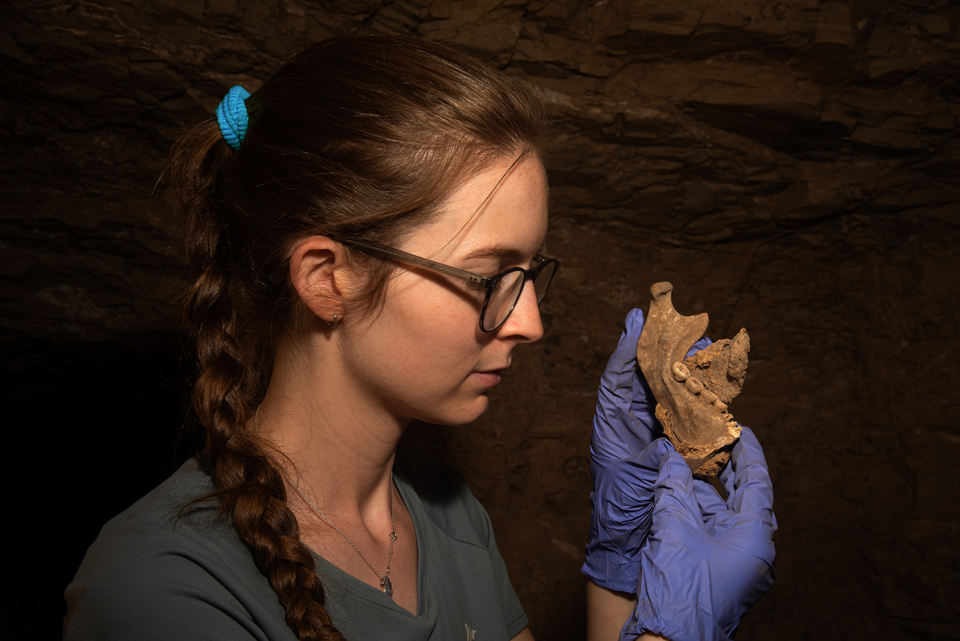
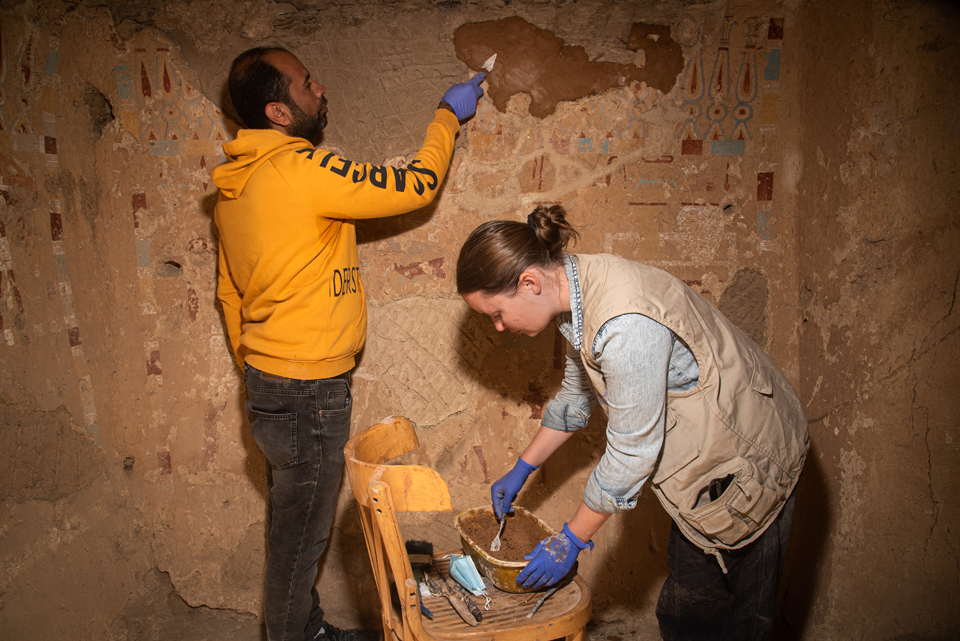
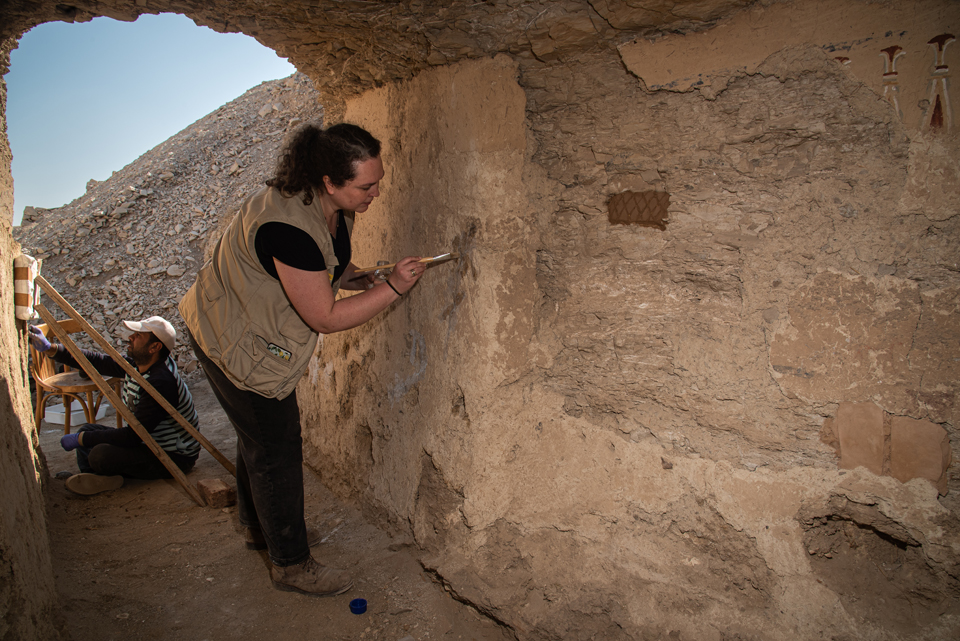
The situation is quite different in the funerary complex of Djari, where restoration and conservation work has occupied the bulk of our efforts, aside from reviewing finds lists from previous campaigns in order to improve the organisation of our inventory. In this case, the patient, slow, yet essential work of our conservators cannot be emphasised enough. Arantxa, Ella, Jaume, and Reed, together with the conservation inspector Sameh, have devoted every day of this month to a process of experimentation, study, observation, application, and finally, confirmation of results. In recent days, the team—especially the moudir—has been pleasantly surprised by the new appearance of the walls which, using mortars very similar to the originals, are beginning to present a more stable architectural aspect. To the constant wit and humour of Ella and Jaume we add the wisdom and patience of Reed and the experienced work of Sameh, resulting in a team that has successfully translated calculations and percentages into a tangible reality on the walls, aspiring to restore this monument. And to all this we add today the interesting work carried out on site by a group of Coptic carpenters, who came to renew the wooden structures, together with their fabrics and materials, which will serve to protect the scenes over the coming months until our return.

Image: Patri Mora Photography

The effort devoted to the blocks of Ipi’s sarcophagus—a “resurrection box” for the mummy of the vizier, which according to our evidence seems to have suffered countless mishaps—and to the paintings of Djari, whose iconographic programme sought to provide the deceased with all manner of privileges, offerings, and foodstuffs, should not cause us to overlook the work of other colleagues who, for weeks, have dedicated their time and energy to specific goals. Some, such as Andrés, focused their stay on the study of scenes like the various fishing activities depicted on one of the walls of the main corridor. Others, such as our photographer Patri Mora, achieved the impossible: being in three places at once—not only wherever she was needed, but also while developing her own programme of documentation of the tomb. Finally, we must not forget Fernando, assigned to work independently on verifying our network of geolocated points in the Theban necropolis, a solitary yet fundamental task for the correct appreciation of space and a better understanding of the surrounding landscape.

To all of them, and as we approach the end of our 2025 adventure, our thanks for their work and for their constant overcoming of problems, questions, and tasks, the result of which will undoubtedly be the production of important studies on these two Theban tombs.

1_DSC8835

Satisfied with our achievements and excited about what lies ahead

Image: Patricia Mora Photography.

The work plans for this season included not only interventions in two key areas of our concession –the funerary chamber of Ipi and the transverse corridor of Djari– but also the documentation of the associated structures, so as to obtain more detailed information on the creative processes of the ancient builders, artisans, and scribes, and thus to continue our research on these two funerary complexes. On the one hand, we have always considered it significant that the vizier Ipi had a funerary chamber with a sarcophagus that was not placed where it had originally been intended, and that he wished to conceal –although this hypothesis still needs to be rigorously tested– beneath the chamber’s paving. On the other hand, the exceptional nature of the paintings decorating Djari’s transverse corridor implies a complex process of artistic creation. For all these reasons, our work has not only involved the slow, rigorous, and patient tasks of cleaning walls or dismantling heavy fragments, but also the documentation of all walls, images, and texts.

Image: Patricia Mora Photography

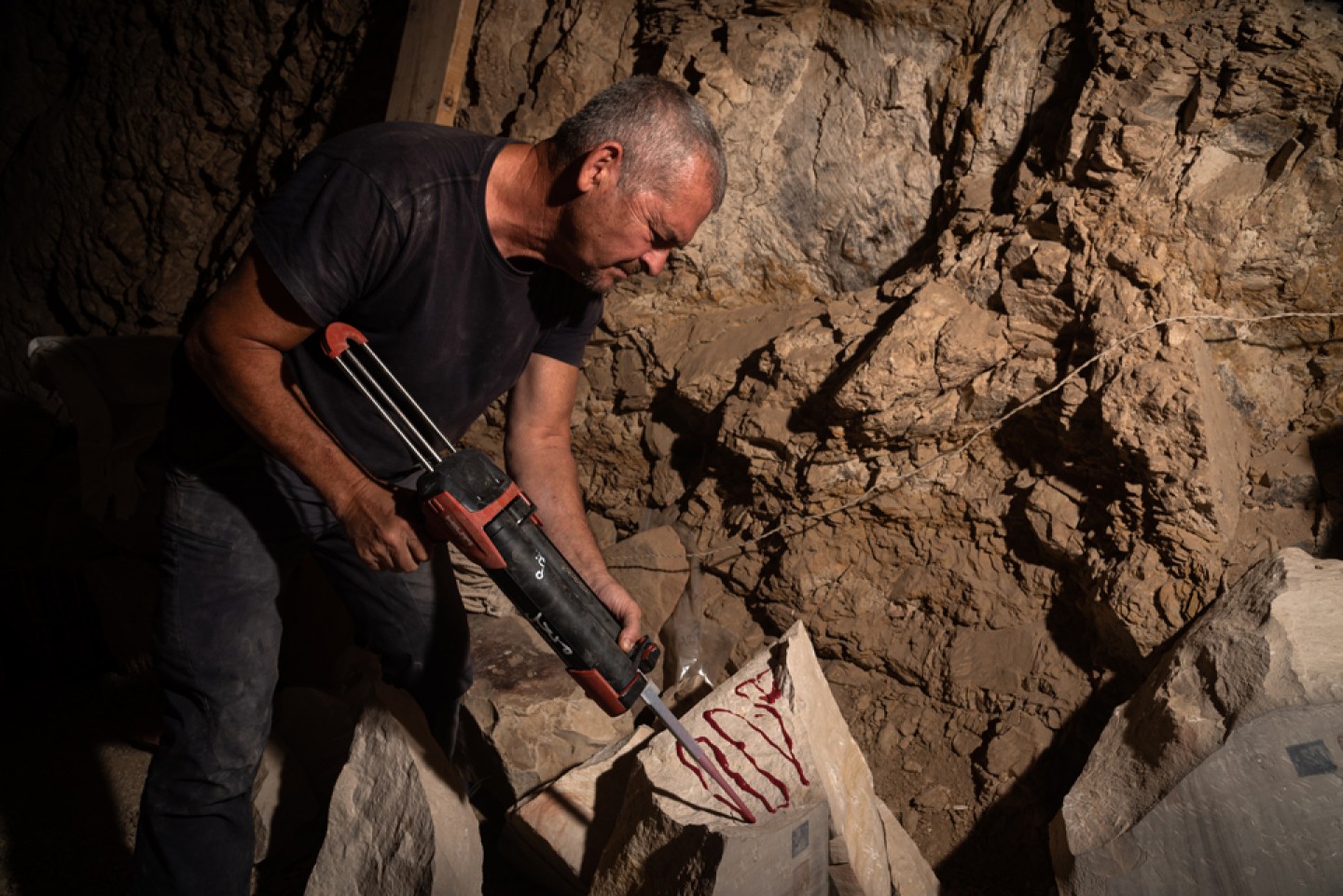
At the Ipi complex, our team has begun packing part of the materials, while our photographer and Miguel have focused on documenting the funerary chamber, the sarcophagus, and the remaining pieces still to be catalogued. One of the resources that most helps in formulating interpretations and closely observing spaces and finds is photogrammetric documentation, which will allow us –after a couple of days of work– to take this type of information back home with us. Meanwhile, Rebekah and Raúl have been searching for the final fragments that can be joined using RE-500 Hilti adhesive (known locally as “chocolata”), so that everything can be left ready for the next season, when we will be able to lift the sarcophagus, clean the rest of the chamber, and reconstruct the fragments that have been removed for restoration, examination, and preparation.

Image: Patricia Mora Photography

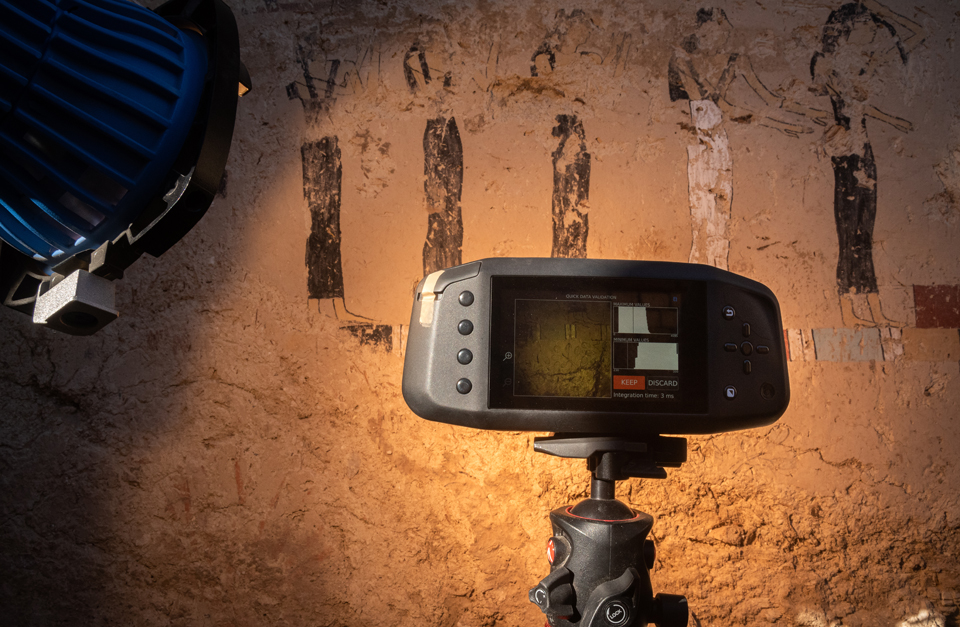
In the case of the tomb of Djari, the pace continues to increase as the final days of work approach. Our photographer, Patricia, has tirelessly documented the tomb in the various intended formats: architecture, general scenes, details, macro photography, multispectral imaging, and more. All this information will help us to gain a better understanding of this monument which, on the basis of its date (late Eleventh Dynasty) and its exceptional character (perhaps with the parallel of Intef in TT 386), constitutes one of the most interesting examples in the Theban necropolis. As for the work itself, Rebekah and Raúl have come over from the tomb of Ipi to assist with finds from previous years, while Miguel has removed all the working tents in the transverse corridor, and over the next two days we will begin installing the wooden panels that will protect the paintings until we are able to complete the structural reconstruction of the tomb. With this task, we set in motion today the plan to dismantle the temporary structures, and tomorrow we will need to start collecting tools and materials as the remaining tasks are brought to completion.

Image: Patricia Mora Photography

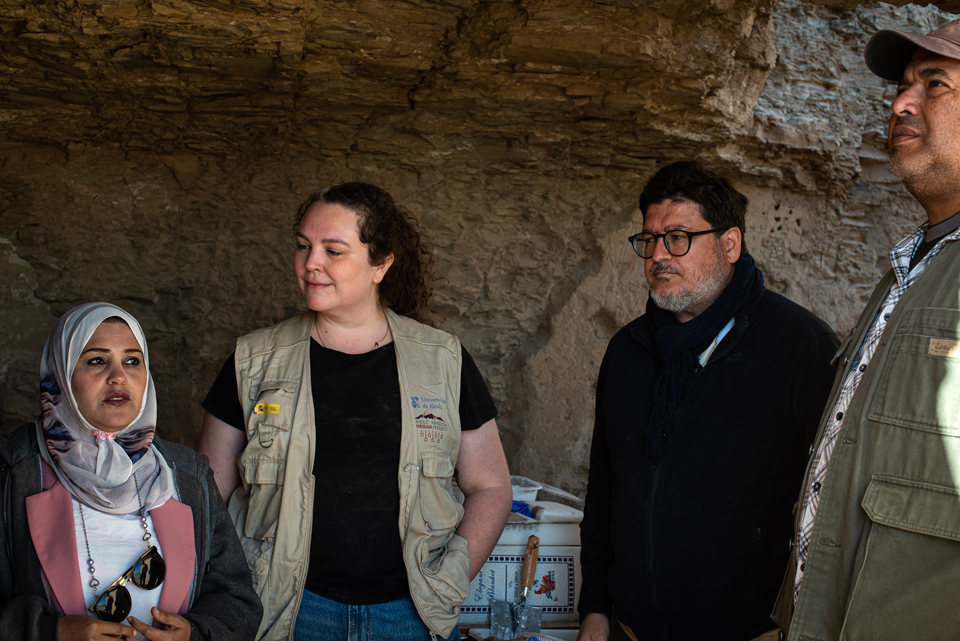
In terms of social visits, today we received numerous officials who wished to express their support and to see how we were bringing the season to a close. On the one hand, we were visited by the Director General of Luxor, Dr Beha Abdel Gaber, who commented on the great interest of the paintings in this tomb and expressed his curiosity about the team’s future work. Later in the afternoon, members of the Luxor restoration committee visited us and discussed the progress made through the use of special mortars for each section of the tomb. Finally, we were visited by our fellow conservators from previous years, Karima and Fatma, who came to greet us and ask about our work. Despite the intensity of the day, it has been a very positive one, in which we have felt strongly supported by our Egyptian colleagues, to whom we extend our sincere thanks.

1_DSC8755

The beginning of the end (of the field season)

Image: Patricia Mora Photography

With five days remaining before the end of our campaign, there is little room to deviate from the established plans, and the team is therefore fully aware of the steps to be taken during the few working days left. In the complex of Ipi (TT 315), the objective set at the beginning of the campaign has been achieved, with the dismantling and transport of all the fragmented blocks of the vizier’s sarcophagus. In the case of Djari, director of the kheneret, restoration work remains to be completed in his funerary complex (TT 366), which will be the focus of the team’s efforts during the remaining days. While in previous weeks we were pleasantly surprised by the endurance, commitment, and dedication of the workmen, this week it is the work of our conservators that has proven especially compelling: the preliminary study of the mortars to be used, the careful testing carried out in the museum itself, and the selection of the most suitable restoration mortar have now given way to its direct application on the walls, together with close supervision to ensure that the final result meets expectations. It was no coincidence that we entitled yesterday’s entry “Mortar Combat!” in reference to the intensity and complexity of our outstanding conservators’ work—though all of it carried out with care, methodological rigor, and close attention to detail, always with the aim of revitalizing and preserving this complex, whose paintings are of exceptional quality.

Image: Patricia Mora Photography

In the funerary complex of Ipi, the number of pending tasks is gradually decreasing, although the pursuit of excellence in any undertaking—as we all know well—requires finishing the work in the most appropriate manner possible. In TT 315, after the removal of a substantial portion of the stone sarcophagus and the canopic chest, only the documentation of the central element without its fragments and of the burial chamber as a whole remains. This documentation will include: (i) the collection of images of the sarcophagus (walls, floor, thermal fissures, damage, etc.), as well as of the chamber itself (its floors—there are two—its walls, the soot-blackened ceiling, and so forth); (ii) the production of photogrammetric models in order to compile all details at very high resolution and in three-dimensional format; (iii) the recording of architectural features that could not previously be observed with sufficient clarity; and (iv) the preparation of a compendium of observations to define the objectives of the next campaign. In that forthcoming season, the primary goal will be to move the remaining portion of the sarcophagus using an exoskeleton, allowing the excavation of the chamber floor and the complete reconstruction of all the fragments of Ipi’s sarcophagus and its stone canopic chest, positioned on its eastern side.

Image: Patricia Mora Photography

Meanwhile, the work carried out by the conservators in the transverse corridor of Djari’s tomb deserves particular praise. This space concentrates the majority of the scenes (in a pre-reunification style), characterized by exceptional color and motifs. In order to create the iconographic program, the ancient builders had to apply three layers with different compositions, which has required our conservators to study in detail the best way to replicate them. As a result, they worked intensively during the first weeks and are now racing against the clock to apply the mortars, which should dry over the coming weeks and provide an intermediate layer on which work can continue during the next campaign. This type of restoration—midway through its completion—will make it possible, in future seasons, to work on the outermost and more refined layer on which the paintings rest, thus achieving the desired recovery of the supports, colors, and forms.

Image: Antonio J. Morales

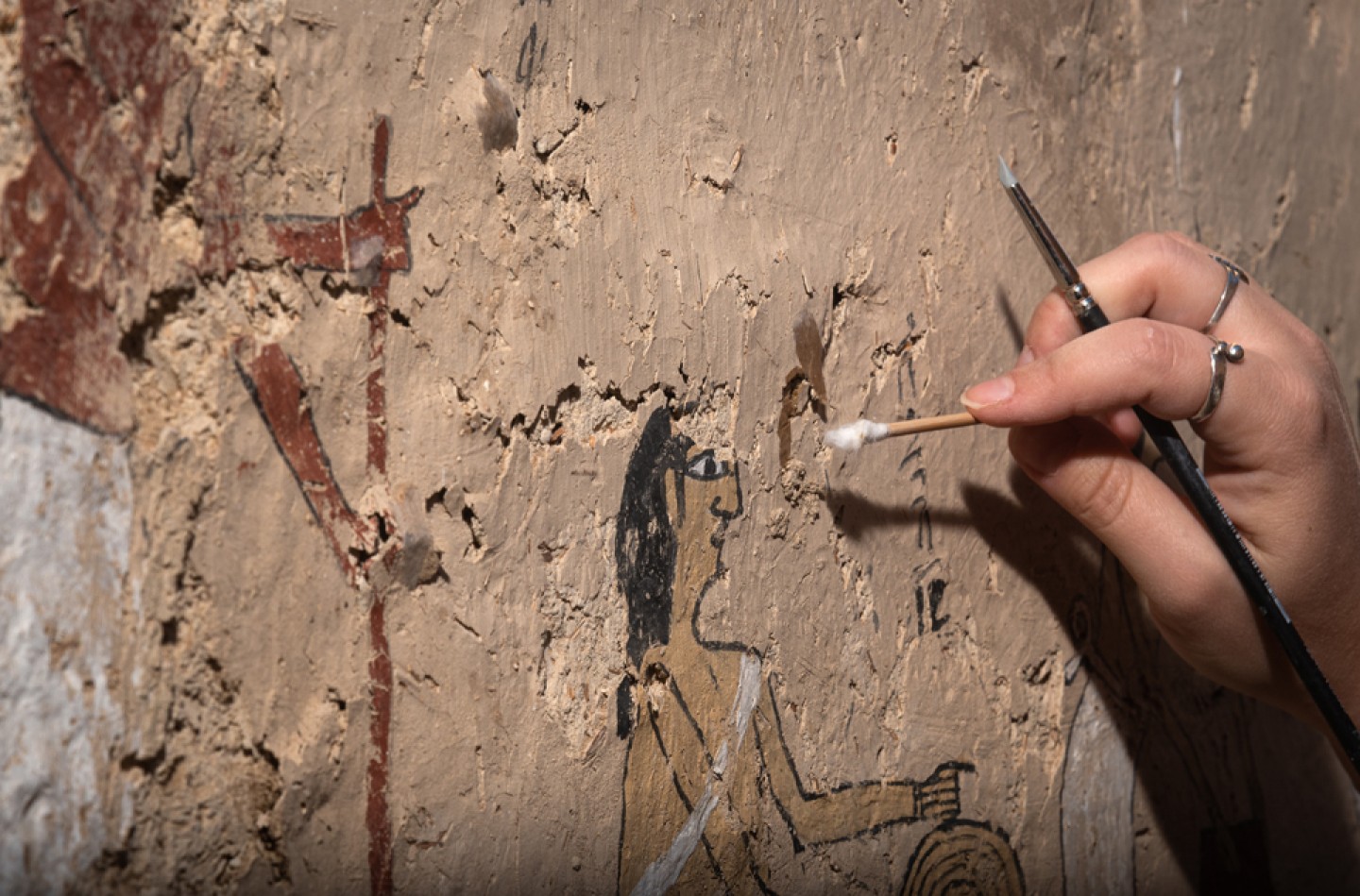
The conservation team is therefore constantly moving from one area to another, completing the program of interventions on each of the walls, pillars, and painted surfaces, exactly as planned the previous day. Each conservator’s working kit includes containers with mortars, brushes, metal and wooden spatulas, cloths, and a variety of other brushes, papers, and textiles, all employed to achieve, in record time, the most appropriate treatment for Djari’s tomb. Its scenes are highly representative of what must have been the local Theban style (perhaps even that of Upper Egypt) at the end of the Eleventh Dynasty. Midway through the morning, we were fortunate to receive the visit of Fatma Talaat Ismail (ARCE), who, while traveling privately, took the opportunity to stop by, greet the team, and inquire about the progress of the work in the complex of Djari.

_DSC8470

Mortar Combat ! (with sound judgement)

Imagen

Image: Patricia Mora Photography

Today was the first day when we truly felt the intensity of the end of the campaign. Yesterday we were still working according to a strict plan, with the sense that certain tasks had been successfully completed; today, however, it has become clear that we must begin to wrap up the work we have undertaken in order to ensure, on the one hand, that everything is properly examined and stored, and on the other, that the final results can be included in the report that must be submitted to the Ministry. In addition, with Fernando joining the team, we have been able to begin checking the data from the control-point network created in 2022 and 2023. These points allow each monument to be located with great precision, benefiting the study of the monument itself, the surrounding territory, and its landscape.

Image: Patricia Mora Photography

At the complex of Ipi, the dismantling of the sarcophagus is nearing completion. Very little remains to be removed, only small fragments, which we prefer to glue and reassemble before inventorying. This will facilitate the reconstruction of these small pieces, which fit into minor but crucial gaps for the correct placement of the remaining blocks. As a result, the sarcophagus now lies relieved of weight in the chamber, free of the fragments we feared might crumble and of the wall blocks that had collapsed around it. With this task completed, Miguel, Rebekah, and Raúl have just a couple of days left to organize the fragments, complete the inventory, and glue together those pieces that can now be joined, thus advancing work for the next campaign.

Image: Patricia Mora Photography

In the case of Djari’s tomb, the growing intensity is also becoming apparent. The conservation team has been divided into three groups working in unison to bring the restoration tasks to completion as quickly as possible. On the one hand, Sameh is attempting to clean, inject, and consolidate a couple of areas where the priority is to save the wall, whose mortar is partially detached from the surface and whose collapse could be imminent. On the other hand, Reed and Jaume are tackling another area where a solution that functions as mortar can be injected, helping to support walls that present small voids. Finally, Ella and Arantxa have been working on cleaning the north wall of the transverse corridor, focusing in particular on the careful removal of insect nests located in areas with paintings bearing inscriptions or scenes of great artistic value. The current situation shows that there is still much work to be done with mortars and paintings, but we have a team that is devoting all its experience and patience to facing this challenge.

Image: Raúl Sánchez Casado

Meanwhile, Fernando has examined the previously recorded points marking the position of Djari’s monument within the necropolis control-point network established some years ago, in order to continue producing detailed plans of this monument and others in the near future. The position of a monument within its territorial context and landscape is one of the aspects of greatest interest to the project, and for this reason each of the tombs within the concession has been examined in detail to allow for precise geolocation at a later stage.

1_DSC8374

Completing the inventory of Ipi’s fragments (with permission of Amenhotep III)

Image: Patricia Mora Photography

Today was a very special day for the members of the Ministry of Tourism and Antiquities (MoTA), as two alabaster statues from the mortuary temple of Amenhotep III were inaugurated at Kom el-Hettan (i.e., “the mound of walls”). Despite the kind invitation to attend the event (for which we are immensely grateful), we chose to continue working today in order to make the most of the final moments before closing the tenth field season. The attendees surely enjoyed the presentation of these new elements from the cult complex of the great monarch of the Eighteenth Dynasty, where the team led by the researcher Hourig Sourouzian has been working for many years.

Image: Patricia Mora Photography

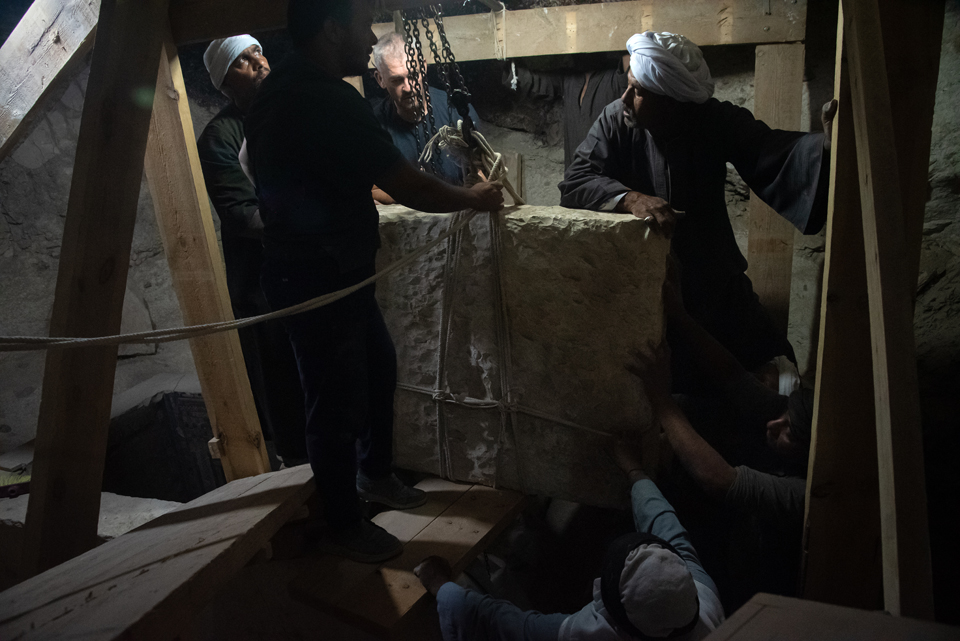
Today we reviewed the point maps obtained in previous years by the landscape archaeology team, which were also checked by Fernando. His task is to examine the network of points to verify that all the data are correct and to ensure that we are working with absolute rigor in terms of geolocation across the monuments. In addition, since Daniel has left, only the three people dedicated exclusively to the sarcophagus fragments remain at the complex of Ipi: Miguel, Rebekah, and Raúl. After the hoisting of the final block of the canopic layer, Miguel proceeded to join fragments using a special adhesive, which we hope will speed up the reconstruction process in the next campaign. Meanwhile, Rebekah worked on organizing the few remaining fragments in order to complete the inventory.

Image: Patricia Mora Photography

At the complex of Djari, work has continued on the restoration of its walls, mortars, and paintings. Sameh and Reed focused on the restoration of a particularly complex area that has priority status due to the fragile condition of the pillars and walls in the southern sector of the transverse corridor. In this area, a specially formulated mortar is being tested to provide the necessary support while also maintaining a degree of flexibility, so as not to damage the layers with which it will come into contact once applied to the wall.

Image: Patricia Mora Photography

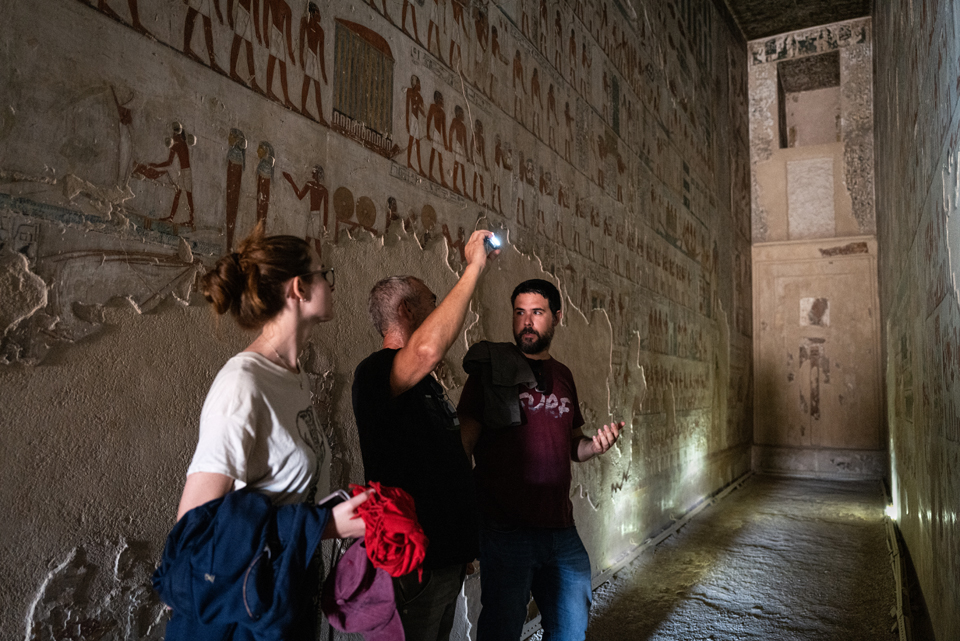
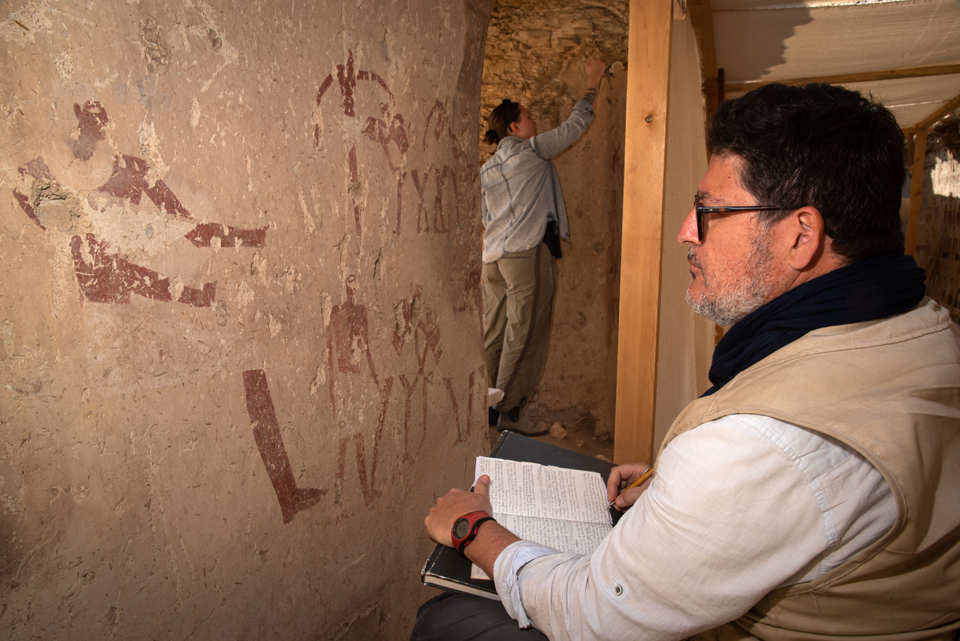
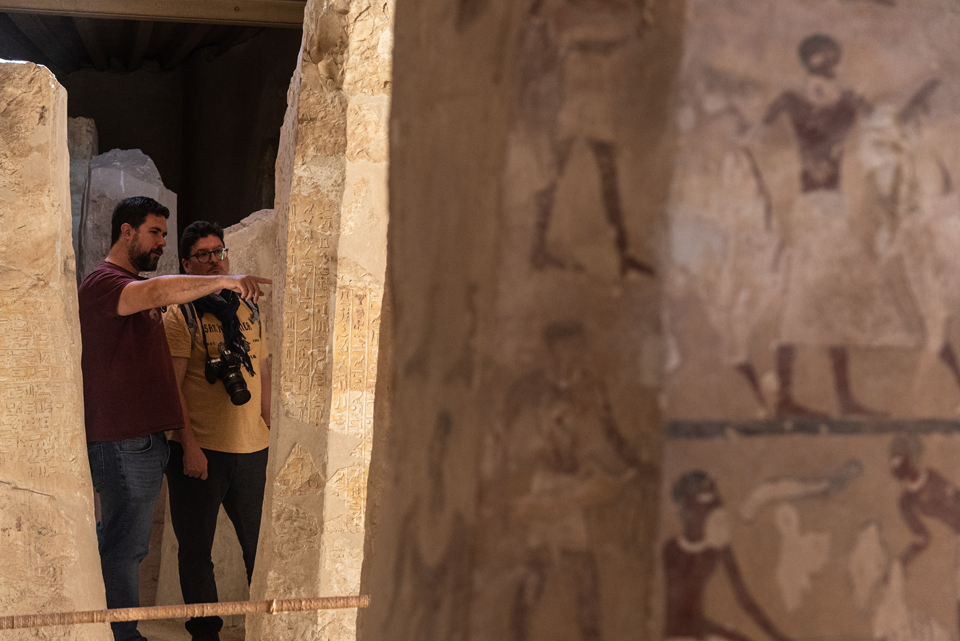
Meanwhile, as the conservators continue their restoration work, Antonio has made progress in examining the iconographic and textual programs within the tomb. Although many of the scenes are common to other tombs, it is often the details that compel us to understand this monument as the product of a distinct local style, different from that seen in other tombs. For example, the leather sandals of the drovers with their donkeys, or the arm of the lector priest positioned behind the sledge used to drag Djari’s coffin, are two details that reveal an artistic production with an idiosyncrasy and techniques specific to a local workshop. In addition, it is important to compare the inscriptions and their condition some 90 years ago, when they were photographed by the Metropolitan Museum expedition, with the state in which they are preserved today.

1_DSC8131

A Working Day Stretching into the Afternoon at the Luxor Museum…

Image: Patricia Mora Photography

After a Friday devoted to travel, relaxation, and rest, we have begun the final week of work with a clear set of objectives, especially important given the constant pressure of time that affects any mission as a campaign draws to a close. In the tomb of Ipi, we are approaching our final goal, with the dismantling of the last fragments of the sarcophagus and their inventory and study now underway. In the case of the tomb of Djari, restoration work continues steadily, although here we are still far from the final objective, as this is a long-term task. Even so, we are meeting the goals set out at the beginning of the campaign. In addition, today we were joined by Fernando Casamayor, a researcher specializing in landscape archaeology and Islamic architecture from Harvard University, who has come to review our network of survey points.

Image: Patricia Mora Photography.

At the funerary complex of Djari, the three researchers working on the dismantling of the sarcophagus fragments continue their efforts on one of the largest pieces, once again originating from Ipi’s canopic chest. This element—partly supported by the eastern side of the sarcophagus—constitutes an exceptional feature within the vizier’s burial; its construction and position should help us better understand the process by which the chamber and sarcophagus were prepared. Miguel has succeeded, using the hoist and with the help of the remarkable workmen involved in the project, in transporting and organizing all the blocks and fragments from the vizier’s burial chamber. In addition, Rebekah and Raúl have managed to bring the inventory of all the pieces and the fragment location map fully up to date. Finally, today marks the end of Daniel Sánchez’s stay with us, following the completion of his analysis of the finds.

Image: Patricia Mora Photography

In a couple of days, work on the pieces will come to an end, with around 30% of the sarcophagus volume having been removed—specifically those fragmented elements that could be safely extracted. For the next campaign, we plan to raise the sarcophagus using an exoskeleton and larger-capacity hoists, or even pneumatic lifting bags, which will allow us to lift and secure the remaining intact portion of the sarcophagus. For now, work has begun on identifying those fragments that join together and can be bonded using a special adhesive designed for heavy pieces.

Image: Patricia Mora Photography

In the afternoon, part of the team remained at the hotel to continue working or to recover their strength, while another group visited the Luxor Museum to meet with its director, Alaa Hussein el-Menshawy. As always with our Egyptian colleague, the meeting was highly productive. In fact, it focused on preparing the plans for the exhibition that the team hopes to organize in 2026 on the embalming cache. In the evening, we had the pleasure of visiting the Italian House, where our colleague Francesco Tiradritti invited us to enjoy a wonderful dinner of typical Italian products (pizza, salami, pecorino cheese, wine, etc.), and where we were able to chat in a relaxed atmosphere about current missions and future plans. We had a fantastic time—grazie mille to Francesco and his colleagues.

_DSC7676

Esna, Mo’alla, and a well-deserved rest…

Image: Patricia Mora Photography

As is now customary, Fridays—the team’s day off—are often used to catch up on work, visit some monument in Luxor that one wishes to enjoy, or, as we did today, travel to other parts of the country to continue learning or documenting sites relevant to the project. Today, part of the team preferred to stay at the hotel to recover their strength, while another group travelled to Esna and Mo’alla.

Image: Patricia Mora Photography

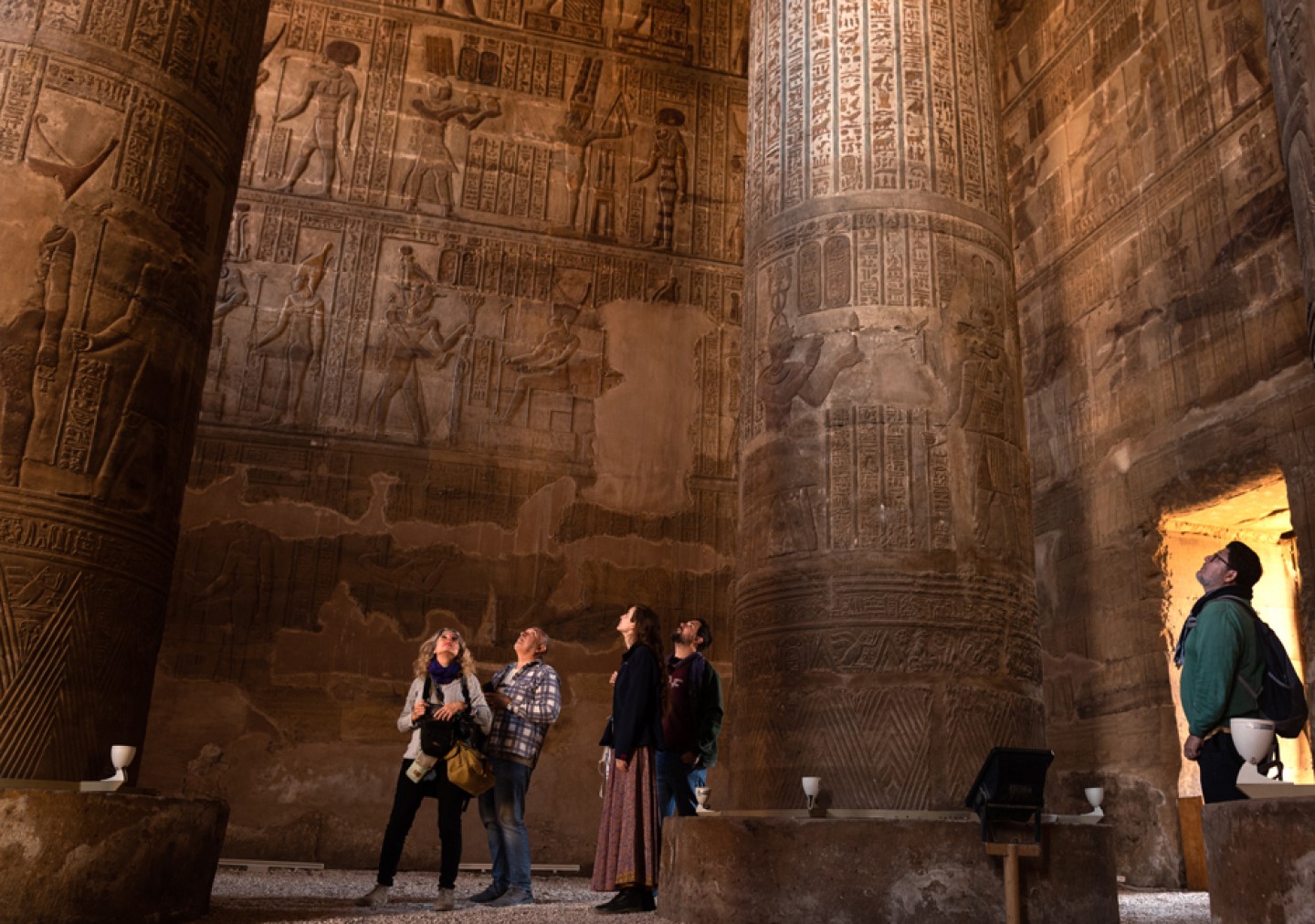
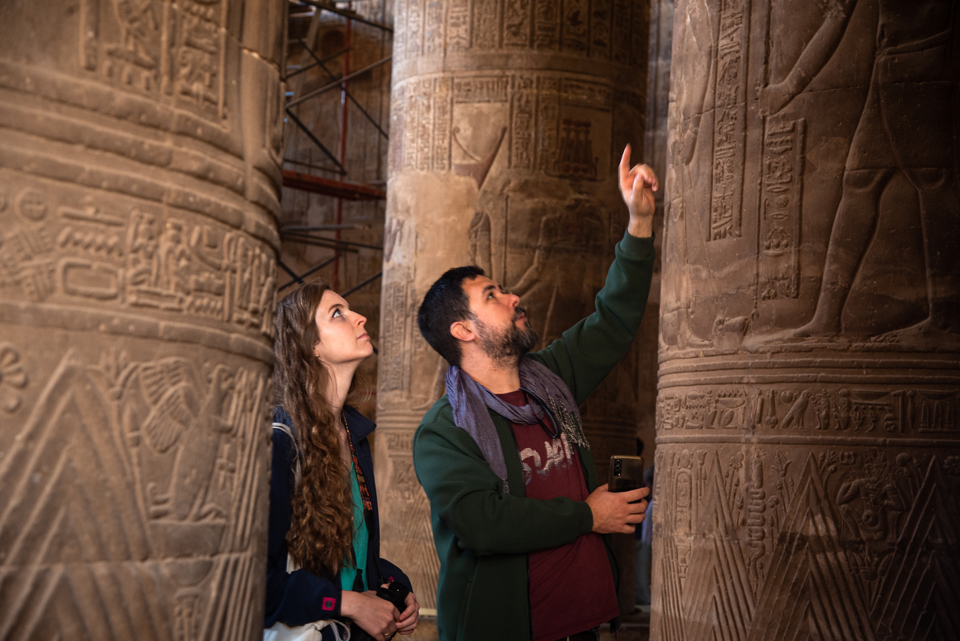
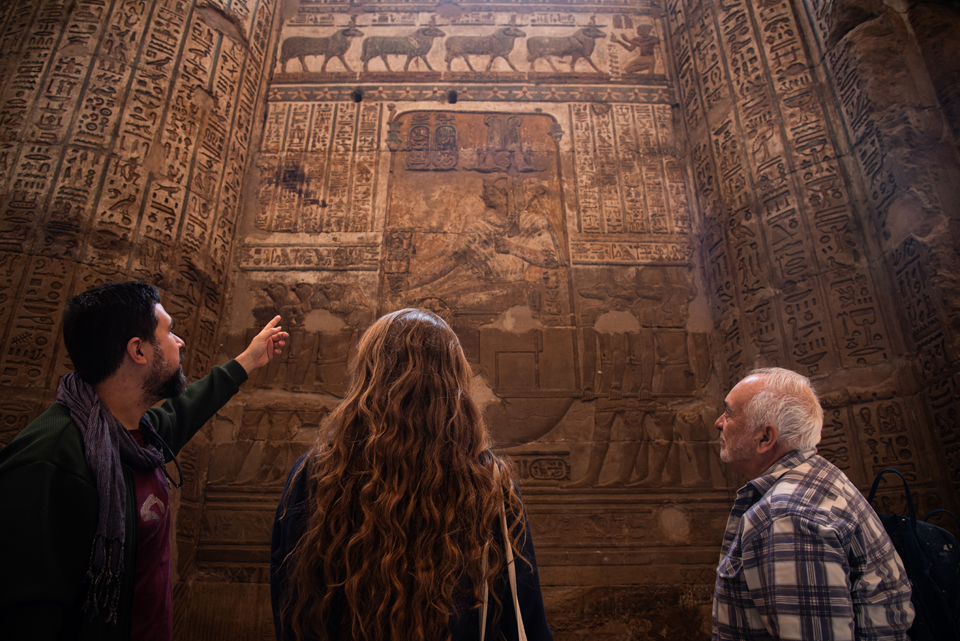
For those who set out on the trip, the morning began at 7:00 a.m. with breakfast, before leaving by minibus at 8:00. Our driver, Hassan, knew perfectly well which route was best to reach Esna, a city located about 70 km south of Luxor, and in just an hour and a half we were already at the entrance to the Ptolemaic-Roman temple. The monument was originally built in the 18th Dynasty, although the current structure dates to the reign of Ptolemy VI (3rd century BCE), and its decoration and inscriptions include emperors such as Claudius, Trajan, and Hadrian (1st–2nd centuries CE). The team enjoyed the beautiful pillars with their floral capitals and the astronomical reliefs whose colours —after an intensive restoration programme— have left everyone astonished. On the side of the temple, moreover, a new two-storey viewing platform stands out, allowing visitors to observe the reliefs and the temple ceiling from the southeast sector of the complex.

Image: Patricia Mora Photography

The visit to the temple occupied a good part of the morning, especially because with every step a team member found a new detail worth discussing. The comments ranged from the beauty of the floral capitals to the difficulty of Ptolemaic hieroglyphic writing, or even the presence of emperor names in cartouches and the famous depictions of the phases of the moon associated with the god Thoth. In the end, we climbed the viewing platform to take a look at the temple and discuss some of the reliefs on the façade and side walls, such as the typical representation of the king holding and smiting his enemies. Once finished, we enjoyed a walk through the city’s market and then left Esna, heading toward the village of Mo’alla.

Image: Patricia Mora Photography

In the village of al-Mialla (known in Egyptological literature as al-Mo’alla) lies the tomb of the famous Ankhtify, the “brave one of Hefat,” who controlled the four southern provinces of Upper Egypt during the conflict between Thebans and Heracleopolitans. His tomb constitutes an important piece of evidence for this period of political and social transformations. The team enjoyed examining this complex, which features a floor plan with a broad transverse hall filled with pillars and a burial located beneath the central axis of the hall. The presence of a single royal cartouche mentioning a certain Neferkare informs us of the dependence of this region—at least provisionally—on the Heracleopolitan authority, and of the confrontation between the forces of this region (known as Hefat) and Thebes.

1_DSC7563

Not even a 700 kg block can bring Thursdays down

Image: Patricia Mora Photography

The last day of the week is generally marked by the accumulated fatigue that takes its toll on everyone —especially on the workers in charge of moving large blocks in our project— as well as by the joy of being able to enjoy a day and a half with family and friends or, in our case, a day to travel or visit monuments in Luxor and beyond. Every Thursday, our workers show a very special smile at the end of the day, satisfied with the work completed, happy with a well-earned paycheck, and excited for the small break they will be able to enjoy with their loved ones. Still, that does not stop them from working hard, and everyone wants to wrap up the week with a day full of progress and results. Today, once again, we have managed to make headway with the fragments of Ipi’s sarcophagus and with the restoration of the wall paintings in Djari. It has been a very productive week, and we are pleased with the current situation.

Image: Patricia Mora Photography

As for the work with the sarcophagus, today we were able to move ahead much faster with the help of our rais. Ali had spent a couple of days recovering from a bad cold, and today was his first day back — which he tackled with great energy and enthusiasm, supervising together with Miguel the transport of another of the blocks from the canopic chest. Little by little, we are dismantling this limestone chest, except for its base piece, which is sandstone and will require less effort. Today another of the blocks of the canopic chest was finally shifted, a task that required considerable planning since it was one of the largest pieces moved so far.

Image: Patricia Mora Photography

In Djari’s tomb, restoration work has continued, although today we dedicated part of our time to running tests with mortars made with and without lime. The issue is that lime contributes to the mortar’s strength and stability, but it appears to be incompatible with certain aspects of the bedrock—at least in some areas—so possible solutions are being explored. Our restoration and conservation inspector, Sameh, helped assess the possible options by discussing with the team the advantages and challenges of each alternative and the best way to proceed with the restoration.

Image: Patricia Mora Photography

Meanwhile, Daniel has continued his work studying the botanical materials that require identification and conservation. In the coming days, the conservators will discuss options for the preservation, documentation, publication, and storage of a series of finds in need of conservation, such as the small bouquet or the garland, although the full restoration of the sarcophagus fragments will begin once the dismantling is finished, which probably means next year in the campaign XI.

MKTP - Middle Kingdom Theban Project - Recuperando el pasado
logoUAH-footer

El proyecto

El Middle Kingdom Theban Project tiene como objetivos la excavación, estudio y publicación de varias tumbas de la necrópolis del Reino Medio en Deir el-Bahari (Henenu, Ipi, Neferhotep, E1) y de las tumbas de Dagi (TT 103) y Djari (TT 366) en la necrópolis de Asasif.

MKTP - Middle Kingdom Theban Project - Ministerio Egipcio de Antigüedades

Con la colaboración del Ministerio Egipcio de Antigüedades y las autoridades del Alto Egipto, Luxor y la Orilla Occidental.

Las tumbas

Las tumbas de Henenu (TT 313) e Ipi (TT 315) se encuentran en la colina norte de la necrópolis de Deir el-Bahari, donde fueron enterrados algunos de los oficiales más importantes de Mentuhotep II y principios del Reino Medio. 

La cámara funeraria de Harhotep (CG 28023) fue localizada en el patio de la tumba TT 314 y constituye uno de los ejemplos más interesantes en arquitectura, iconografía y epigrafía del yacimiento. 

En la planicie de Asasif, las tumbas de Dagi (TT 103) y Djari (TT 366) también representan monumentos a la memoria de altos cargos tebanos del reinado de Mentuhotep II que ayudaron a construir un gran estado.

MKTP - Middle Kingdom Theban Project - Patrocinadores - Ministerio de Ciencia e Innovación
MKTP - Middle Kingdom Theban Project - Patrocinadores - Gobierno de Castilla-La Mancha
MKTP - Middle Kingdom Theban Project - Patrocinadores - Fundación para el Conocimiento madri+d
MKTP - Middle Kingdom Theban Project - Patrocinadores - Ministerio de Cultura y Deporte
MKTP - Middle Kingdom Theban Project - Patrocinadores - Fundación Palarq
MKTP - Middle Kingdom Theban Project - Patrocinadores - Parque Científico y Tecnológico de Castilla-La Mancha
MKTP - Middle Kingdom Theban Project - Patrocinadores - Asociación Española de Egiptología
MKTP - Middle Kingdom Theban Project - Patrocinadores - Asociación de Amigos de la UAH

Copyright 2020 MKTP ©  Todos los derechos reservados. Editor: Antonio J. Morales
(con la colaboración de miembros MKTP)
Cookies | Privacidad

Sitio Web realizado por MindHouse