1_DSC6929

The last third of the season is approaching…

Image: Patricia Mora photography

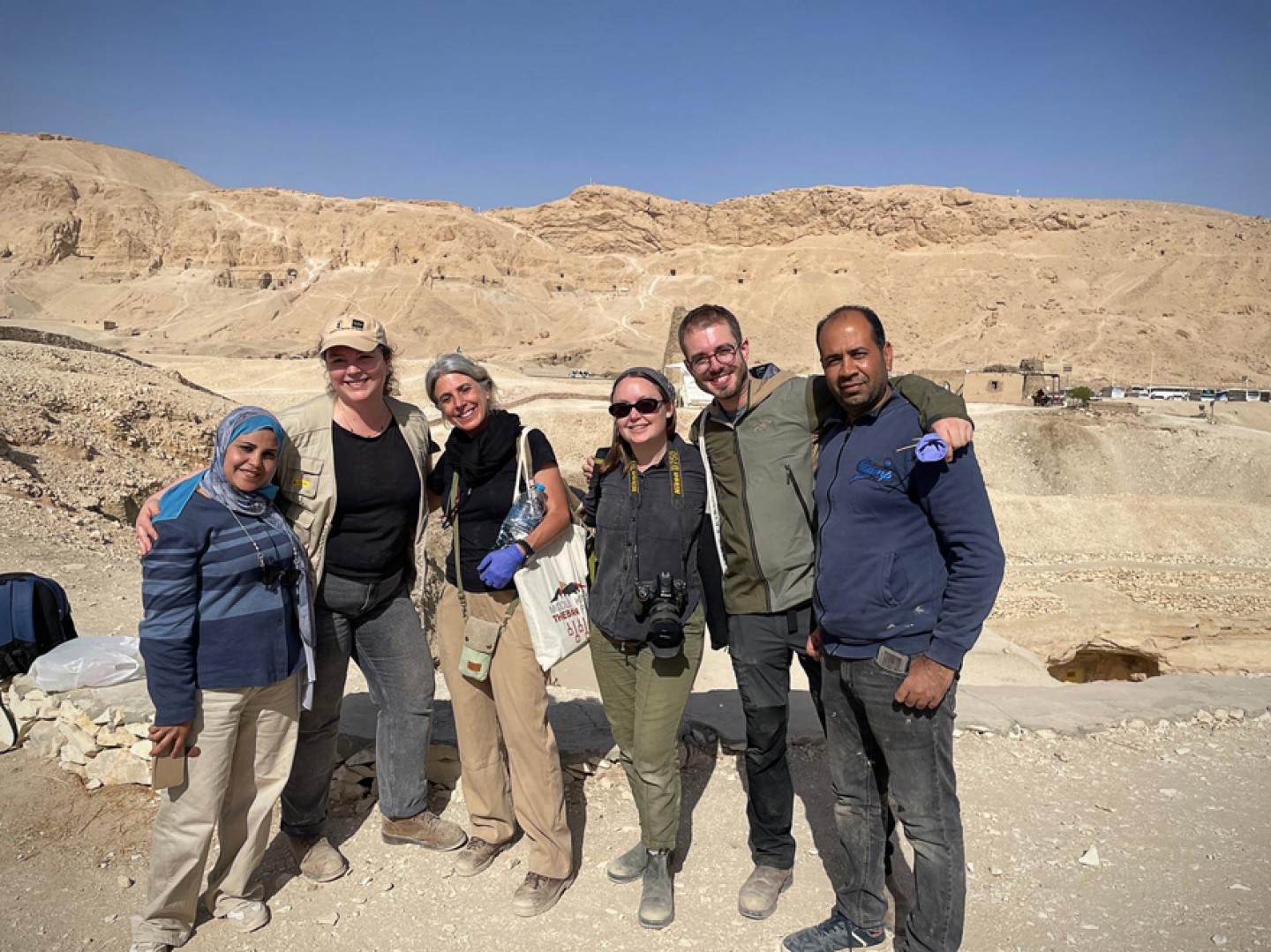
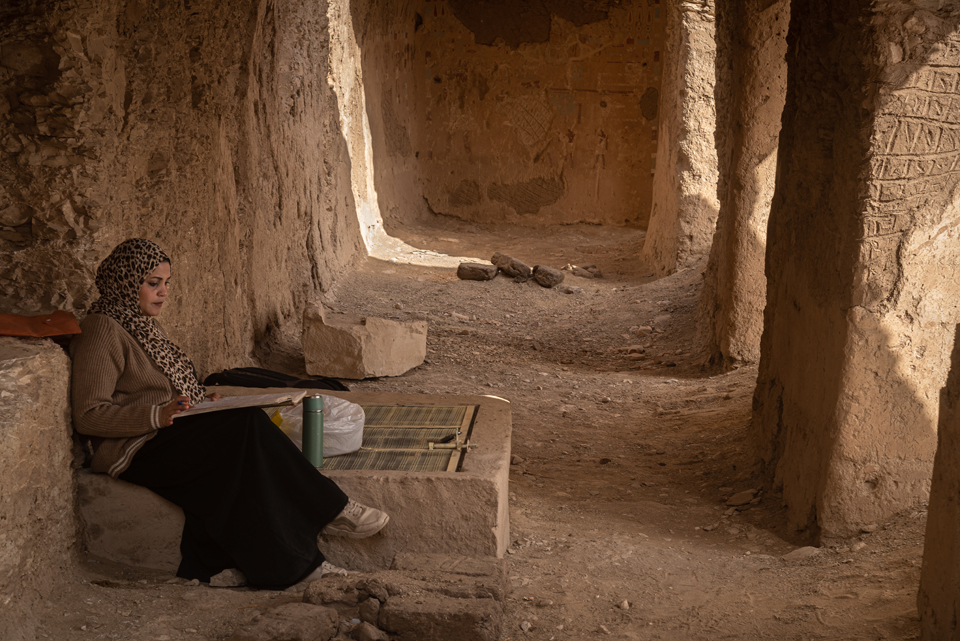
Work within our concession continues at a good pace, surrounded by the calm that the Theban necropolis offers at this time of year. In the Asasif area, the team from the University of Strasbourg (working in collaboration with the IFAO and CNRS in the TT 33 complex of Pedamenopet) and the Egyptian team from the Ministry of Tourism and Antiquities (in the El-Birabi area, near the north wall of the valley temple of Hatshepsut) are currently active. To the east, closer to the cultivated fields, the French team at the Ramesseum is also at work, as is the Spanish mission stationed at the funerary temple of Thutmose III, directed by our colleague Myriam Seco (University of Seville). All these teams are aware of the upcoming Christmas holidays and are working tirelessly to wrap up tasks, clarify results, and prepare the required reports for the Egyptian Ministry at the end of the season. In this atmosphere, we enjoy each day of progress in the restoration and conservation work, as well as the specialized studies—such as Daniel’s work with the garlands and flowers—that we have been carrying out in the tombs of Ipi and Djari, fully aware that working in this region is an absolute privilege.
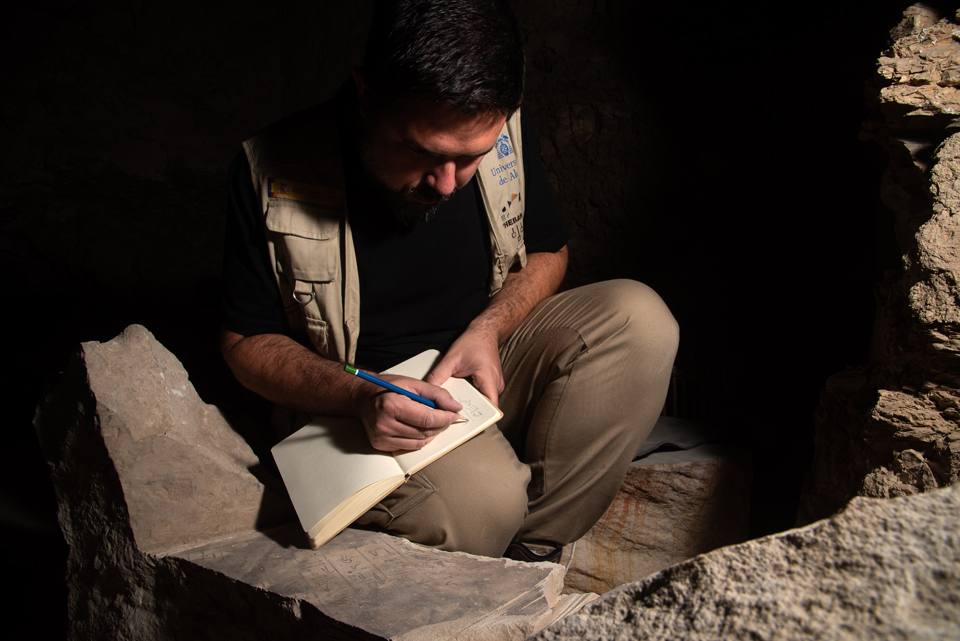
Image: Patricia Mora Photography

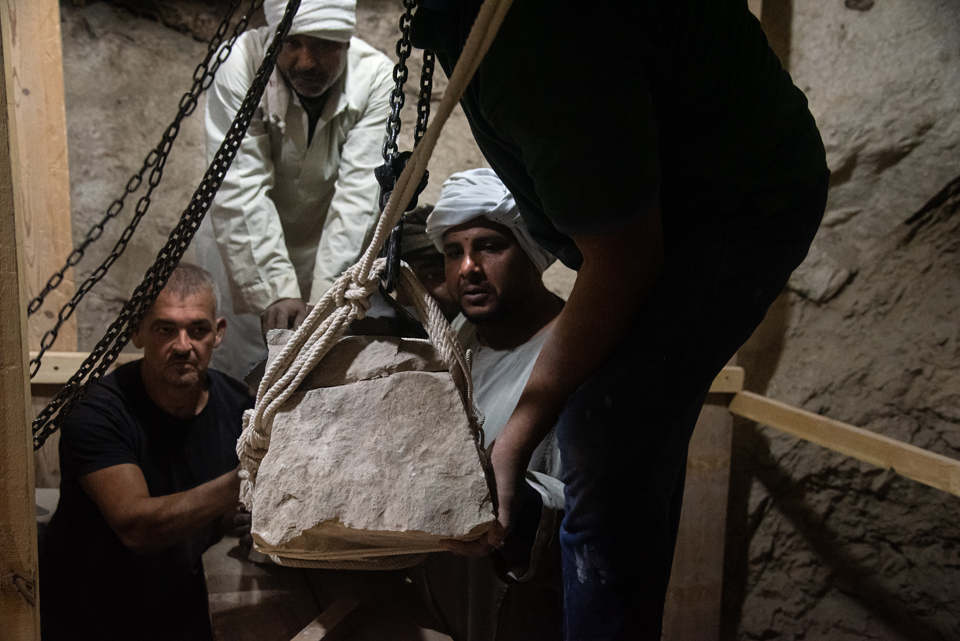
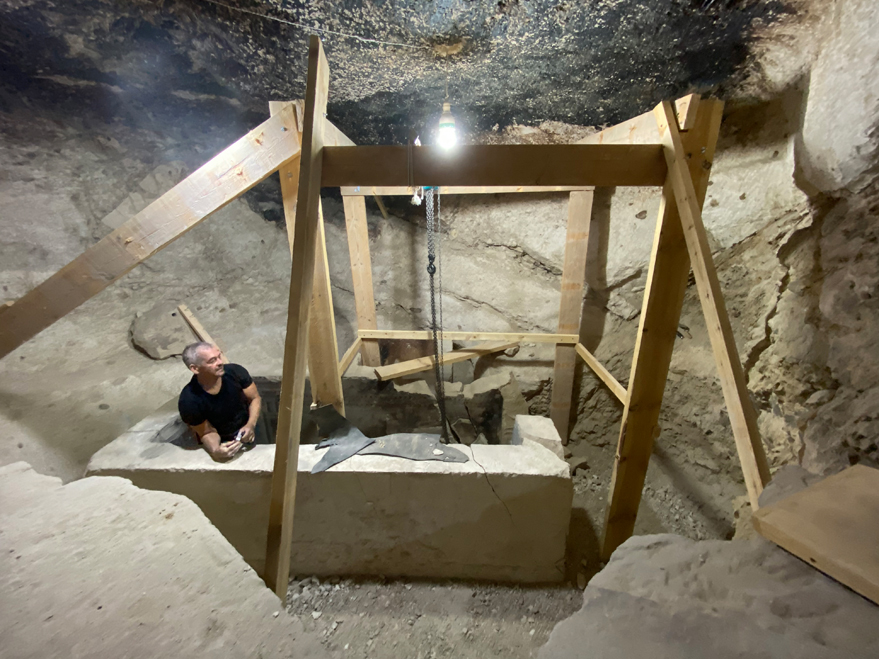
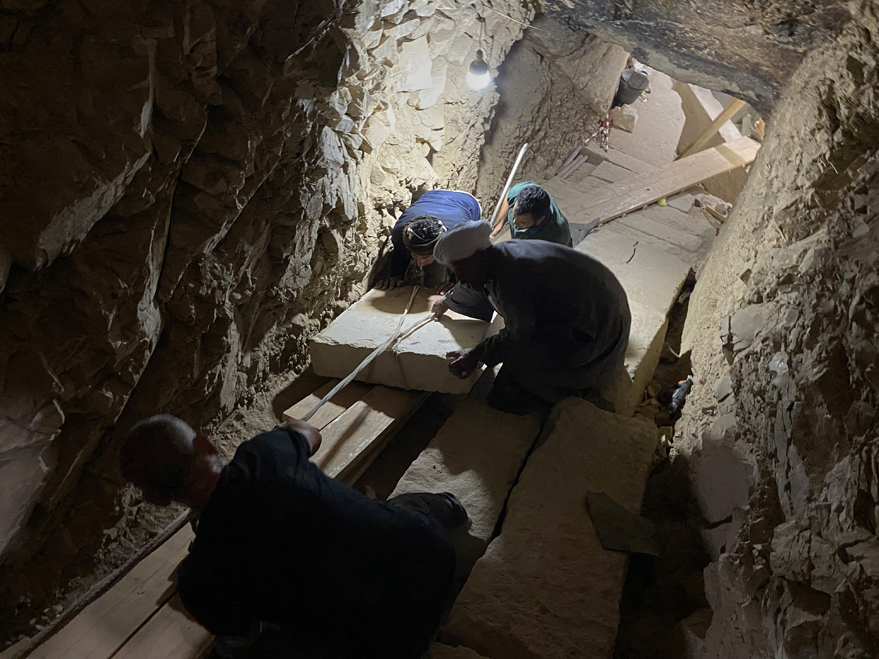
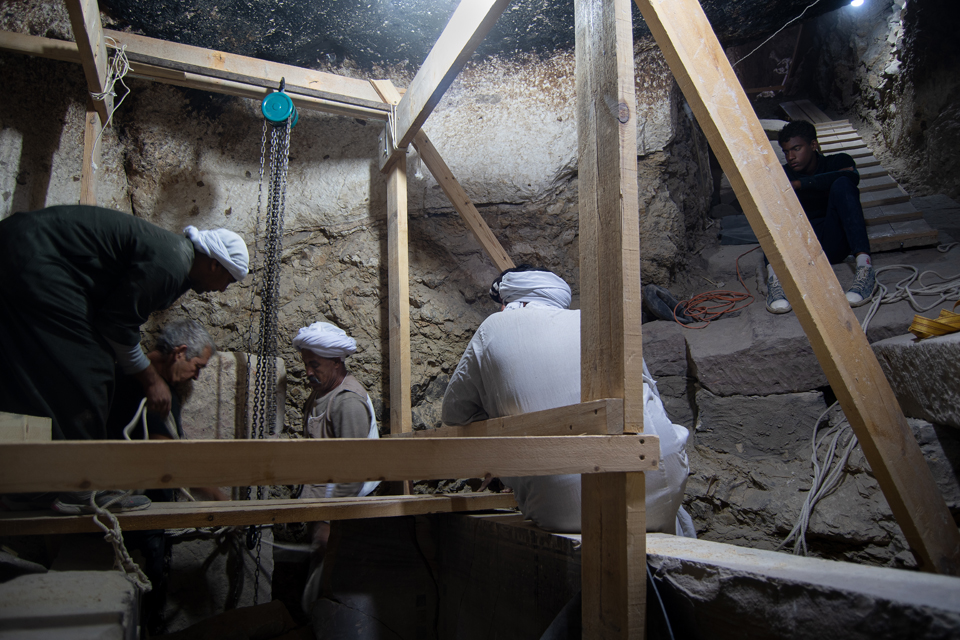
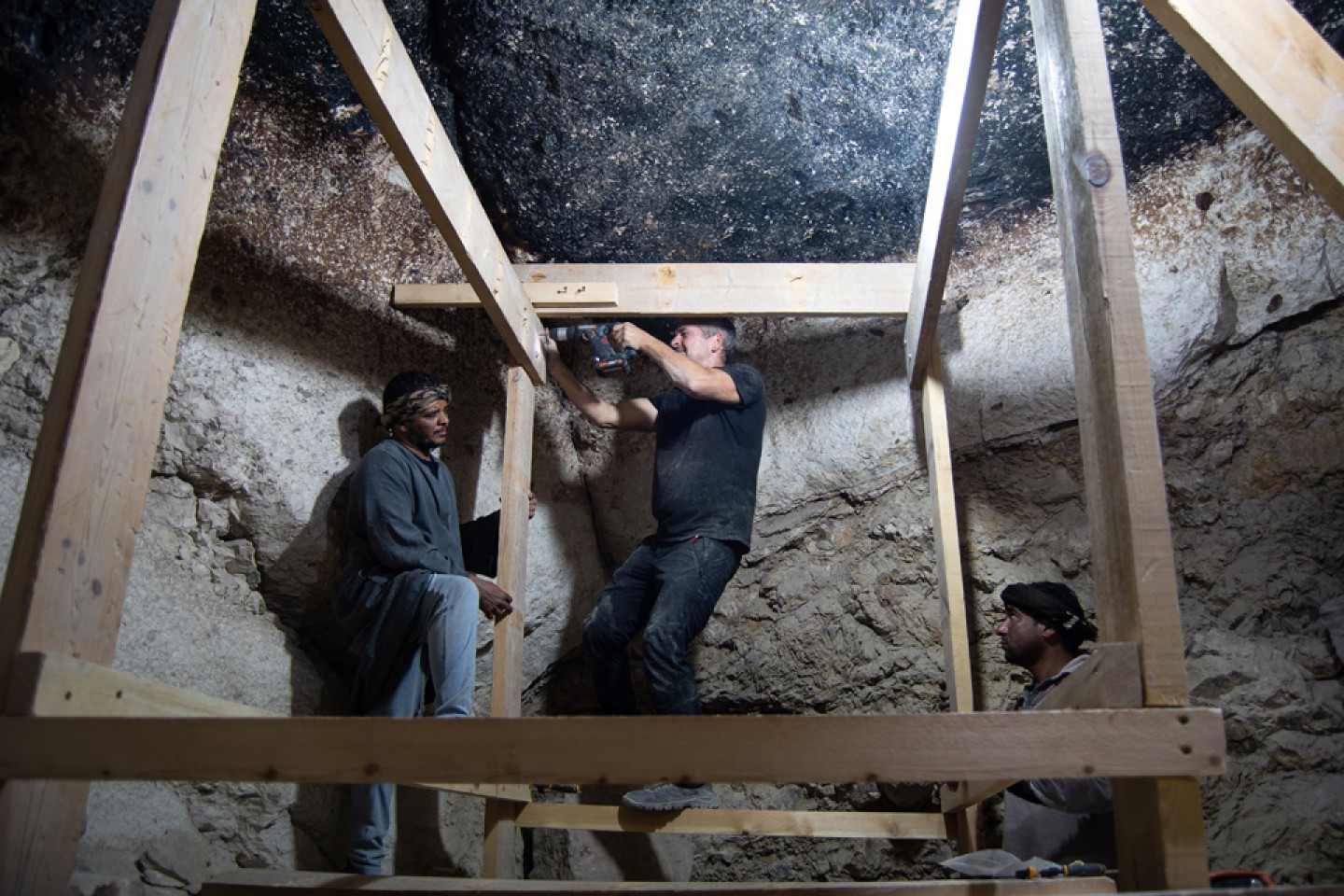
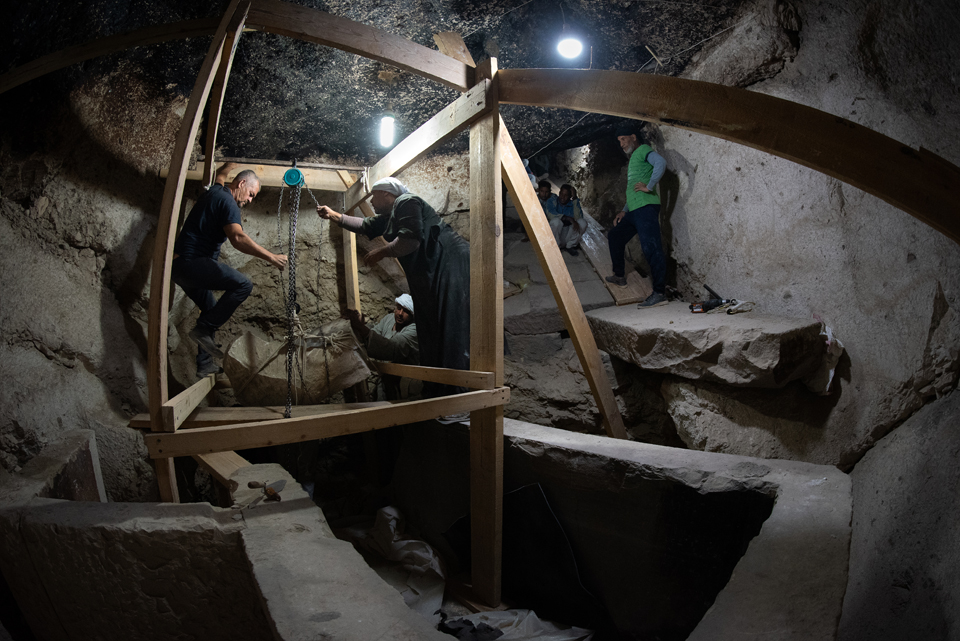
As for Ipi’s sarcophagus, the work to dismantle it is advancing slowly, mainly due to the massive size of the piece. The 12 ton block of high-quality white limestone —quarried and transported from elsewhere to the vizier’s tomb in Deir el-Bahari— puts up some resistance to being taken apart, especially considering that a very specific order must be followed according to the fractures observed in the block. In addition, the stone canopic box, attached to the front side of the sarcophagus, poses its own challenges in terms of dismantling and moving it to the main corridor. If one of the sides of the canopic box was removed almost directly yesterday, today an entire morning was needed to dismantle the second piece and prepare it for its transfer to the main corridor. The workmen, well aware of the difficulty posed by certain elements, experienced firsthand the complexity of moving this 700 kg block and appreciated that all necessary precautions were taken —as they must be for the safety of the team and the sarcophagus fragments— and that preparations were made for lifting it tomorrow, Thursday.
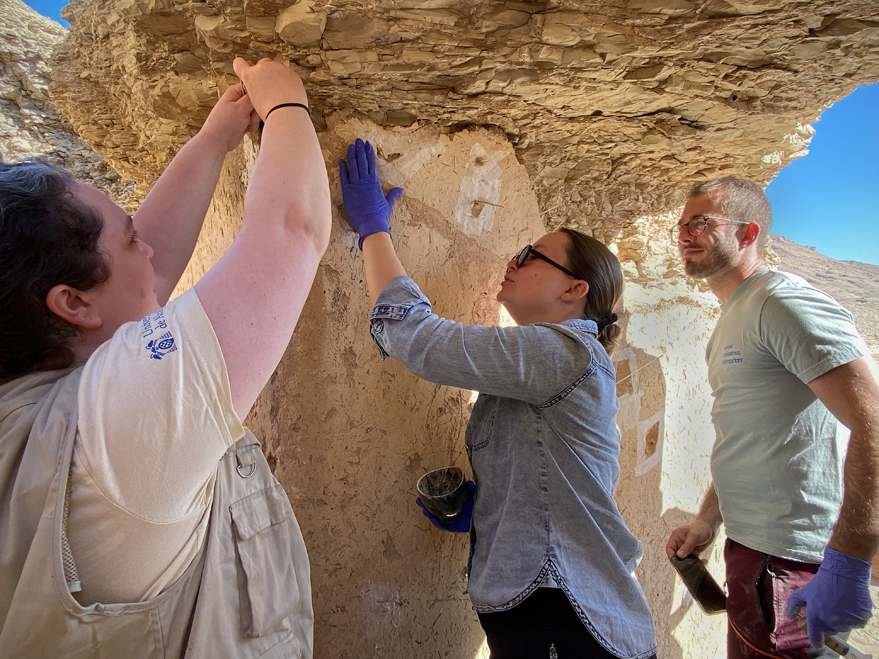
Image: Antonio J. Morales

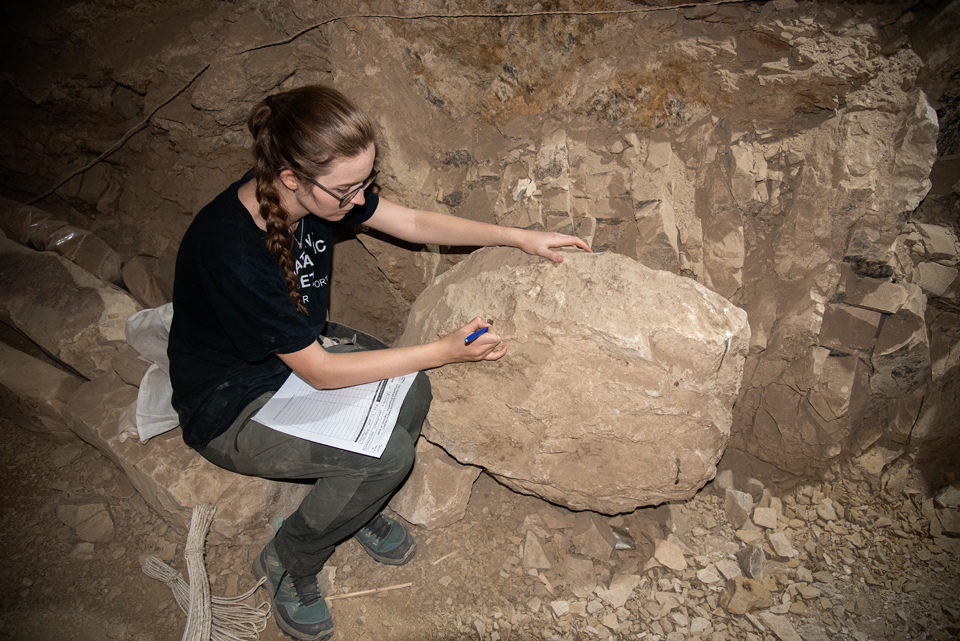
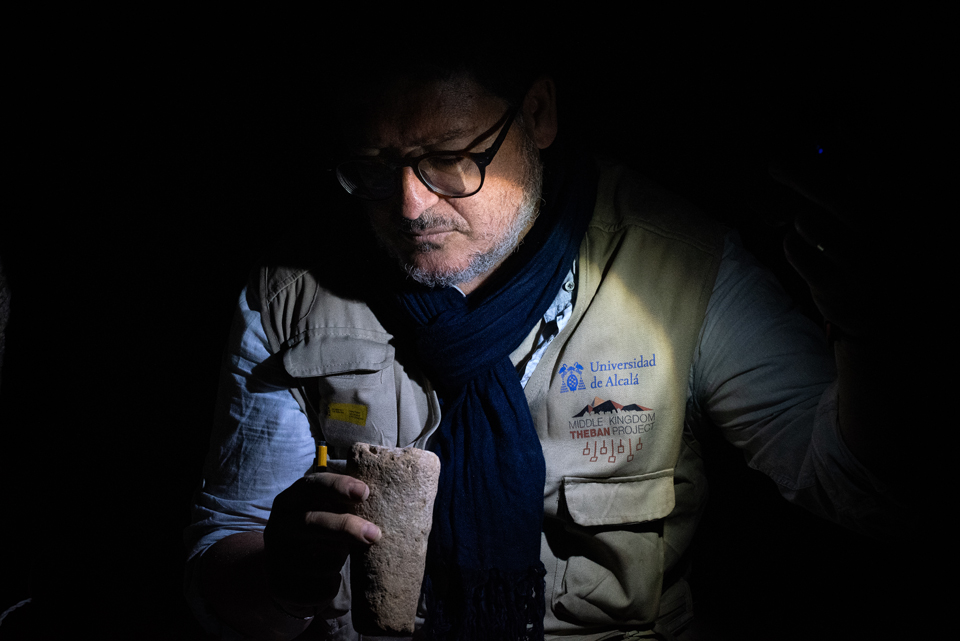
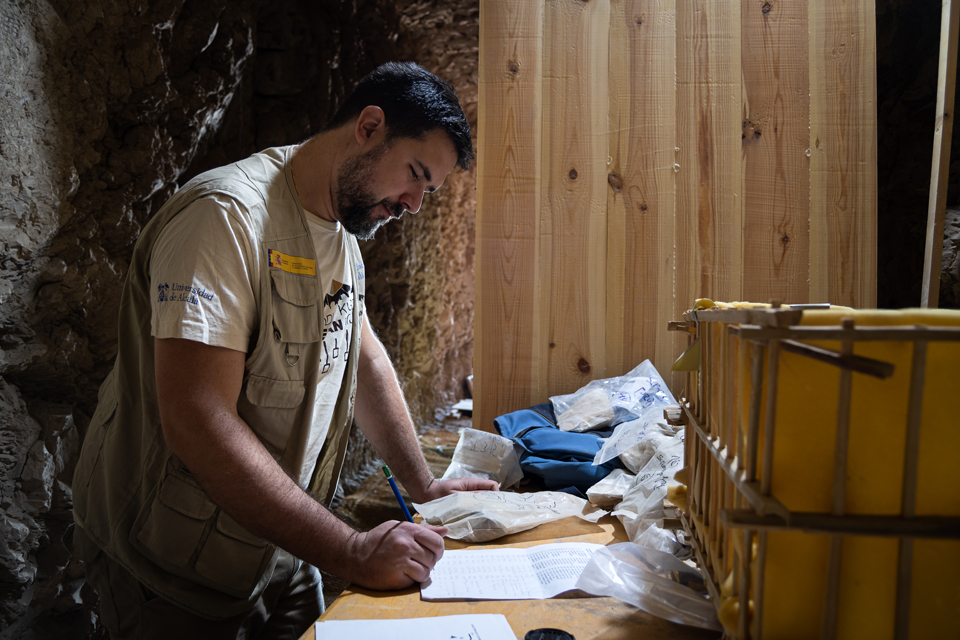
Regarding the documentation and inventory in this tomb, Rebekah and Raúl continue to receive the fragments of the sarcophagus and apply the workflow we originally established. This workflow includes marking the fragment while it is still in situ (without affecting its decoration), removing it to the upper corridor (sometimes with the obvious complications posed by large blocks), and then examining and photographing it. This process allows us to create a map with the topographical information of the fragments on each side (even for those that were found in other parts of the burial chamber) and to take notes on the most characteristic and important features of each piece.

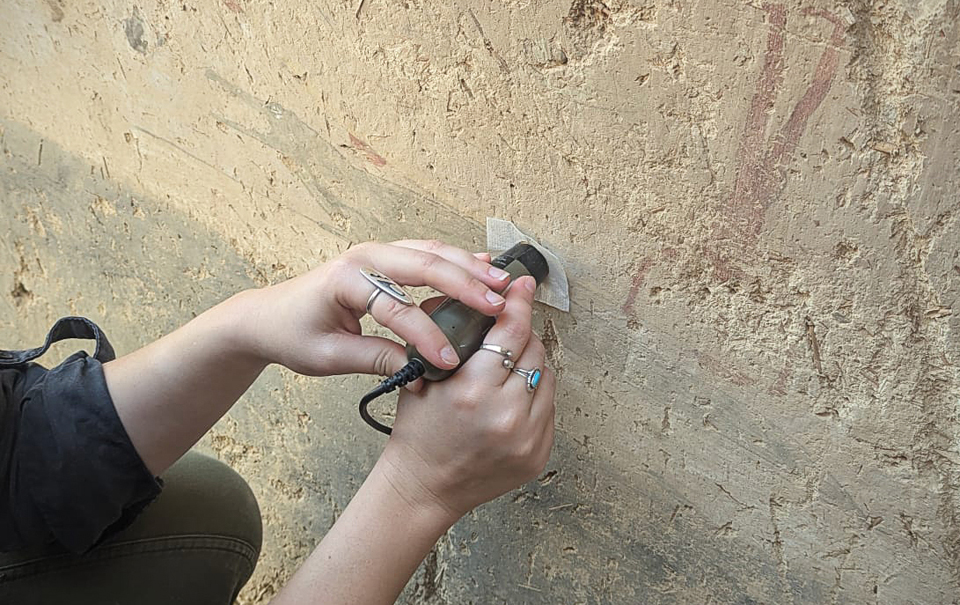
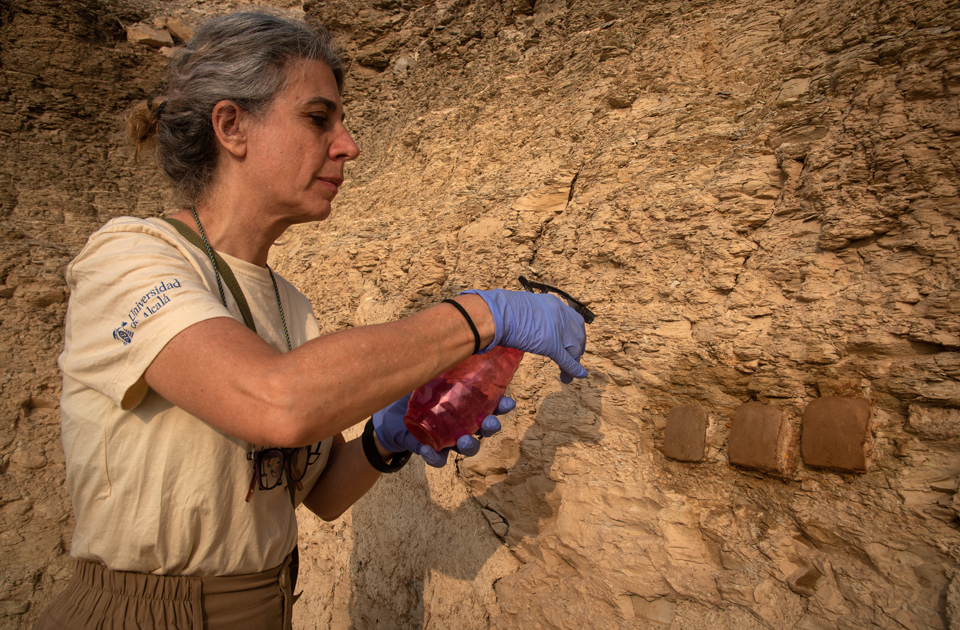
Meanwhile, our conservators in the tomb of Djari have continued treating one of the walls (i.e., the south wall of Pillar D in the façade) to finish consolidating the surface and to verify that the mortars used are functioning properly. If this mortar performs as it did in the tests, it will mean that we can proceed at a good pace with repairing the remaining damaged walls.
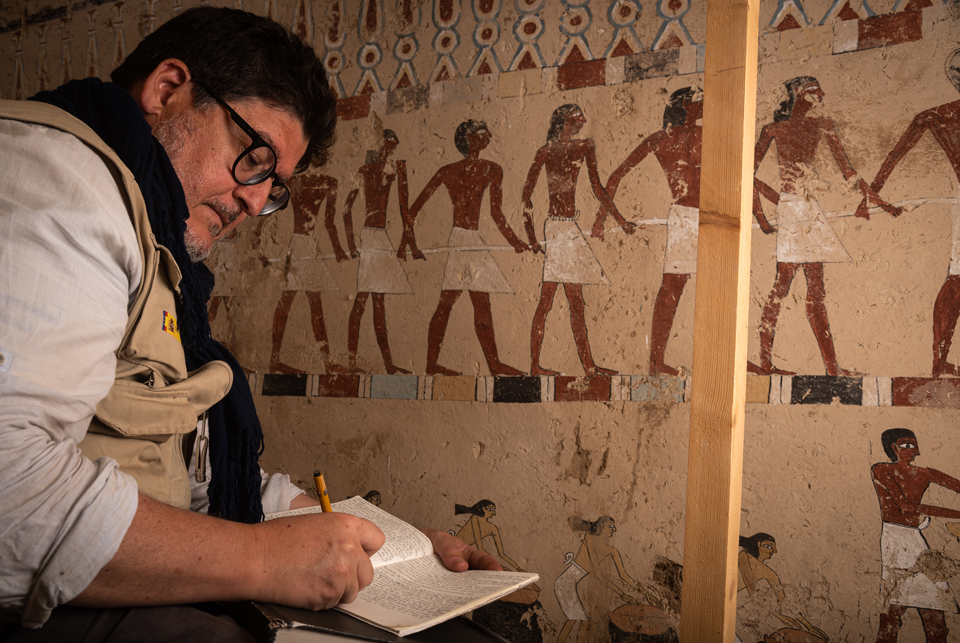
Image: Patricia Mora Photography

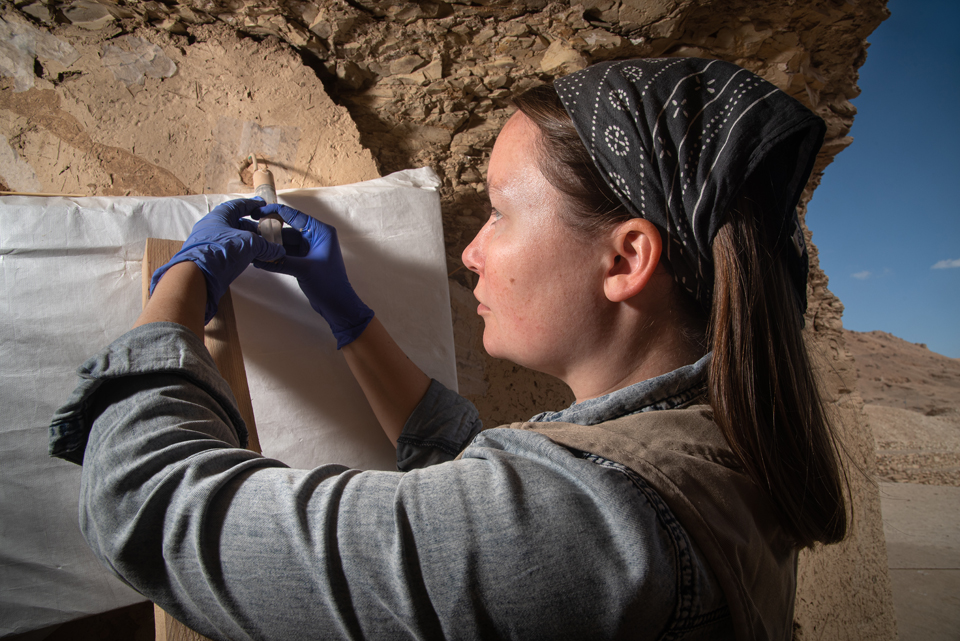
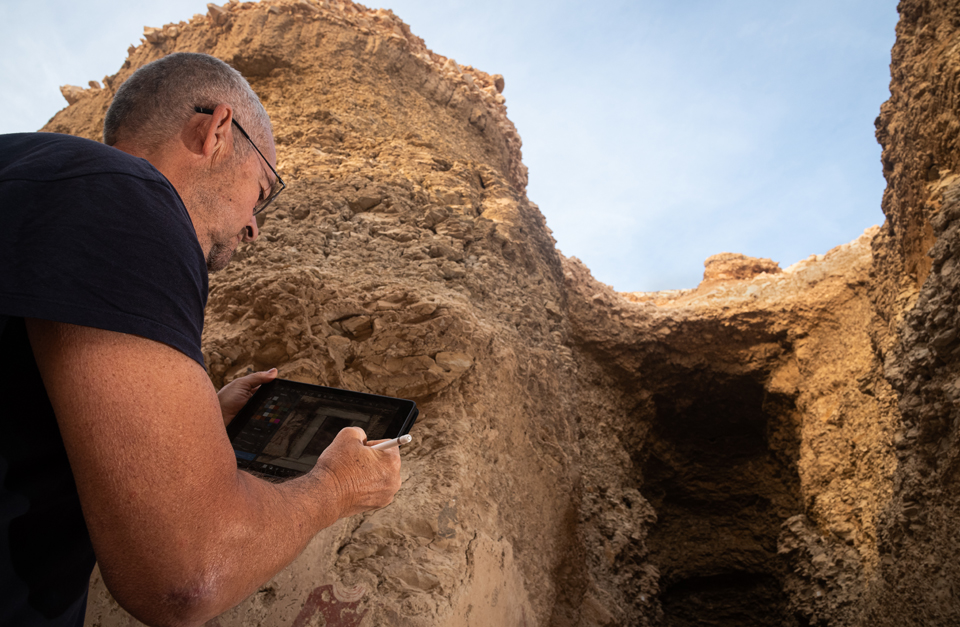
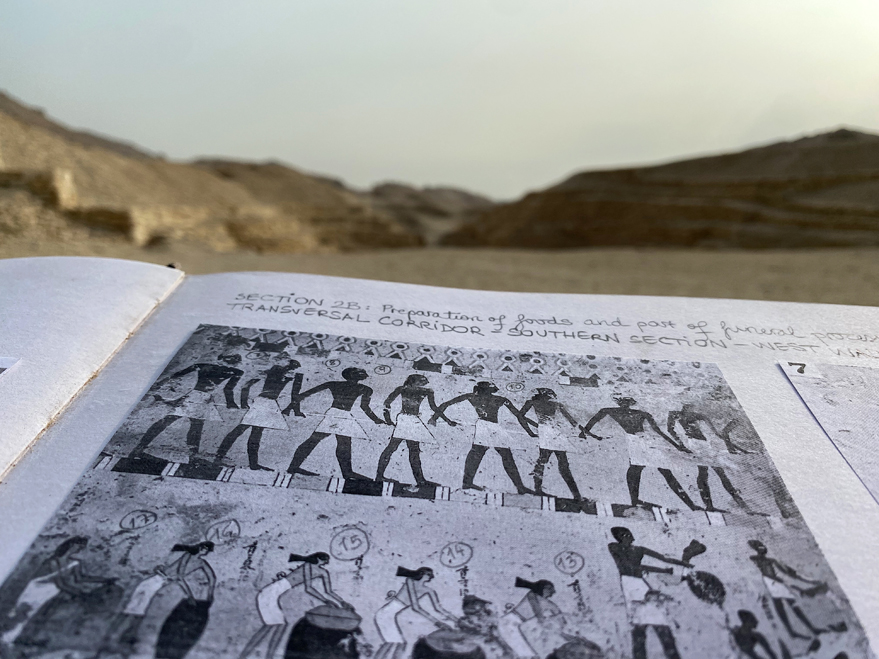
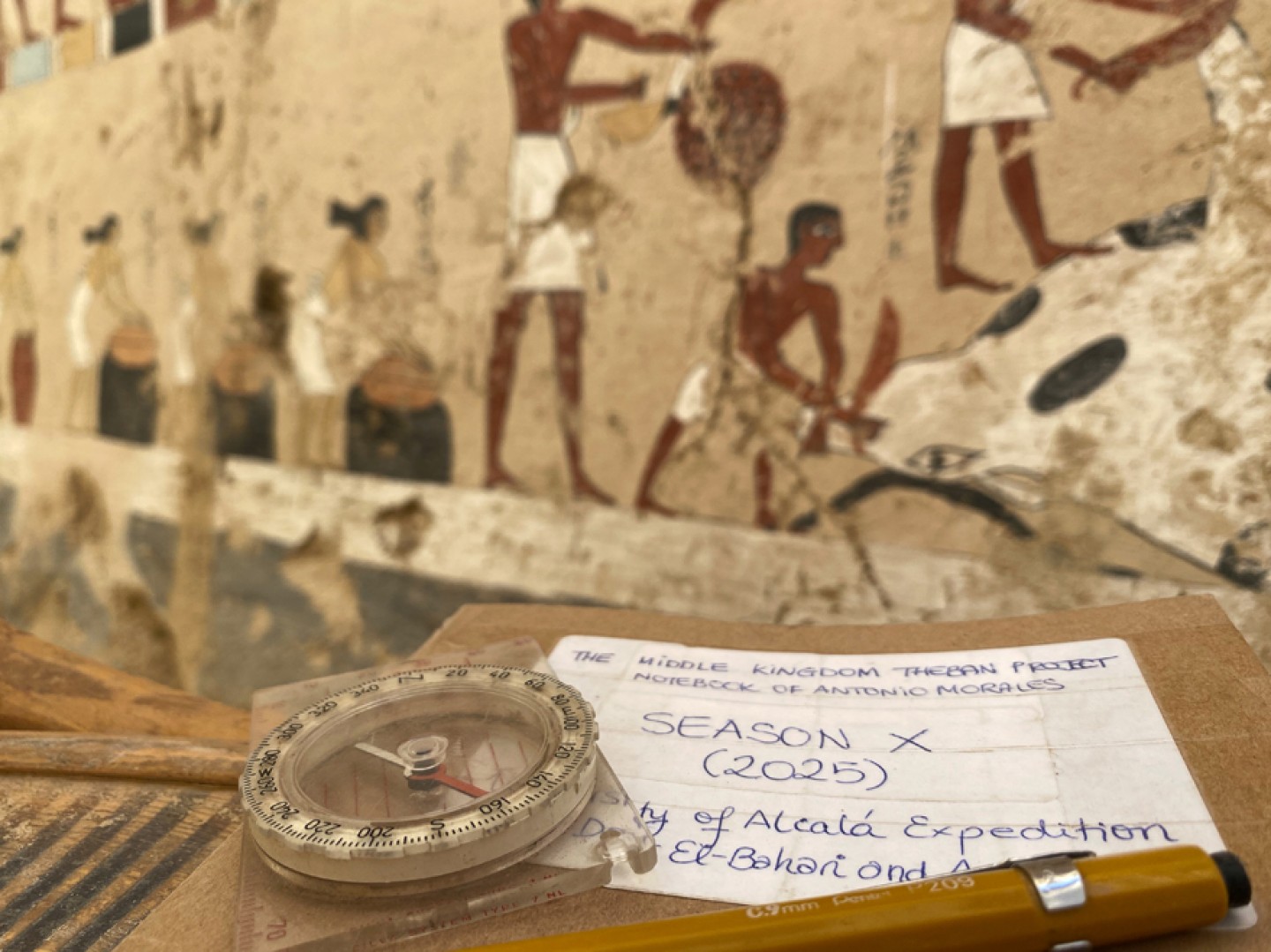
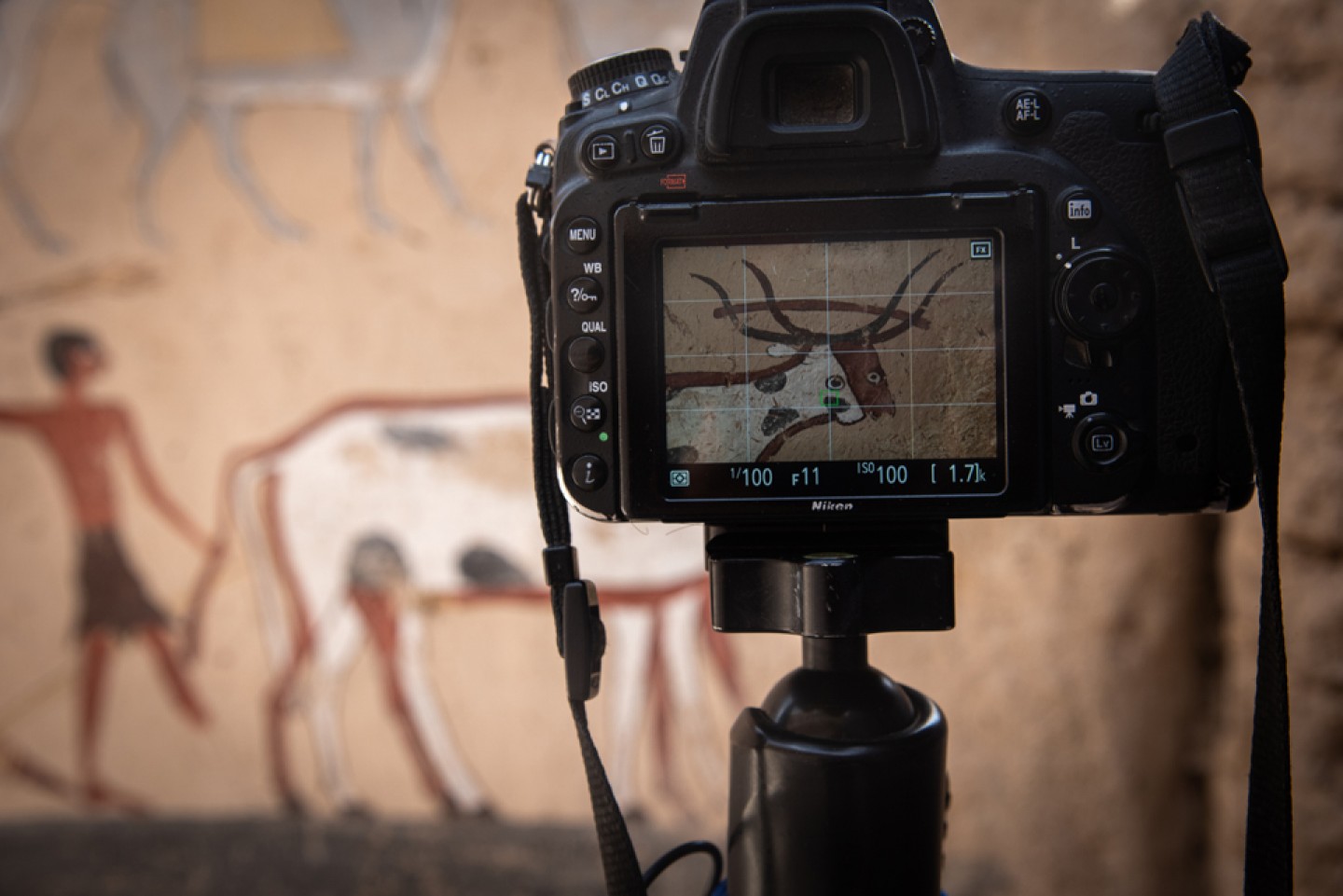
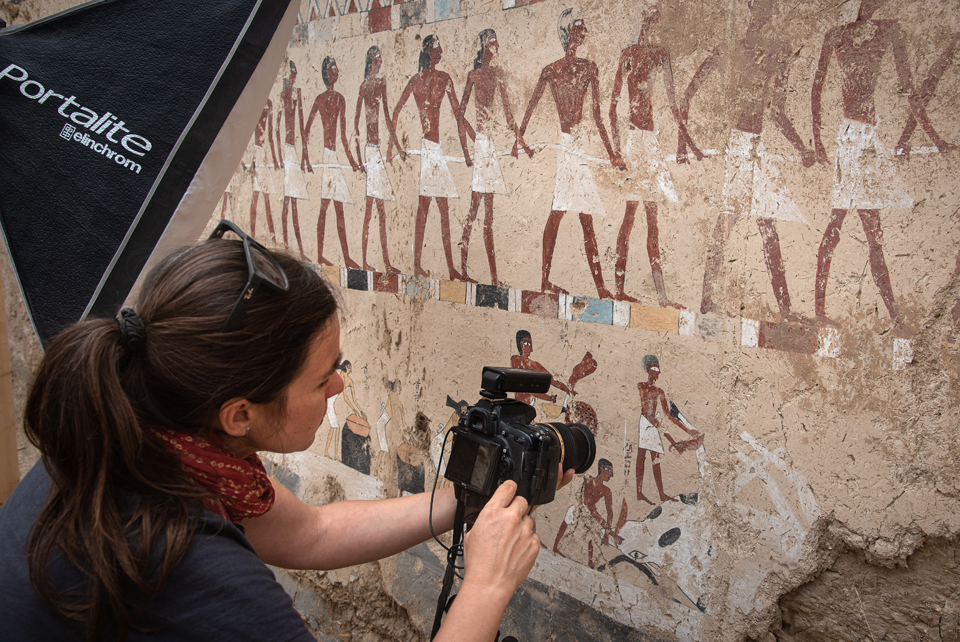
And while the conservators continue with their tasks, our photographer Patricia is documenting each of the scenes of the wall paintings so that their condition prior to restoration remains fully recorded. To do so, the various paintings, wall surfaces, and the iconographic and epigraphic program have been divided into sections, which Antonio is analyzing in order to document every detail of these characteristic Eleventh Dynasty representations in Thebes.
1_DSC6726

From walls and pigments to bouquets and garlands

Image: Patricia Mora Photography

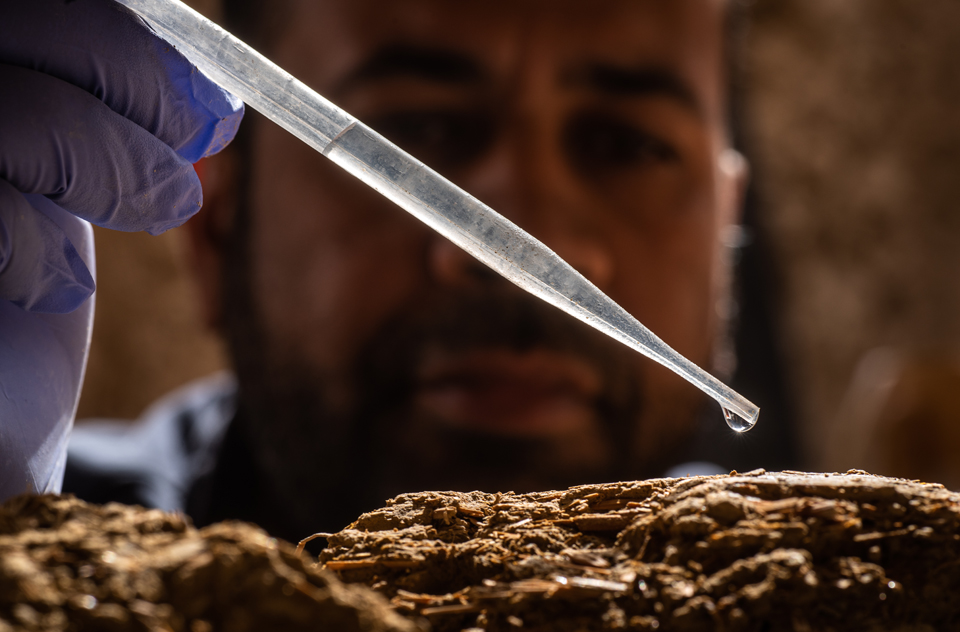
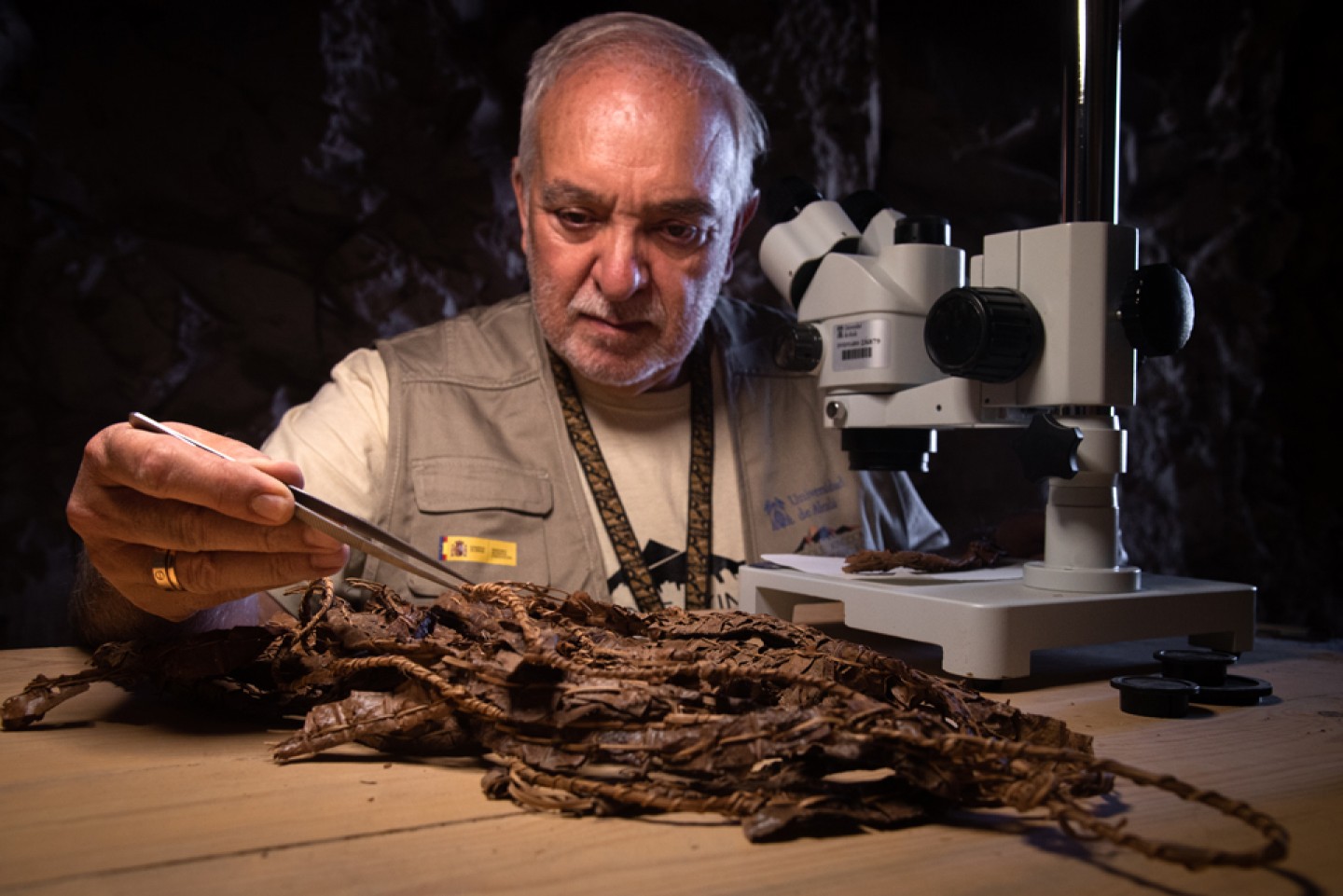
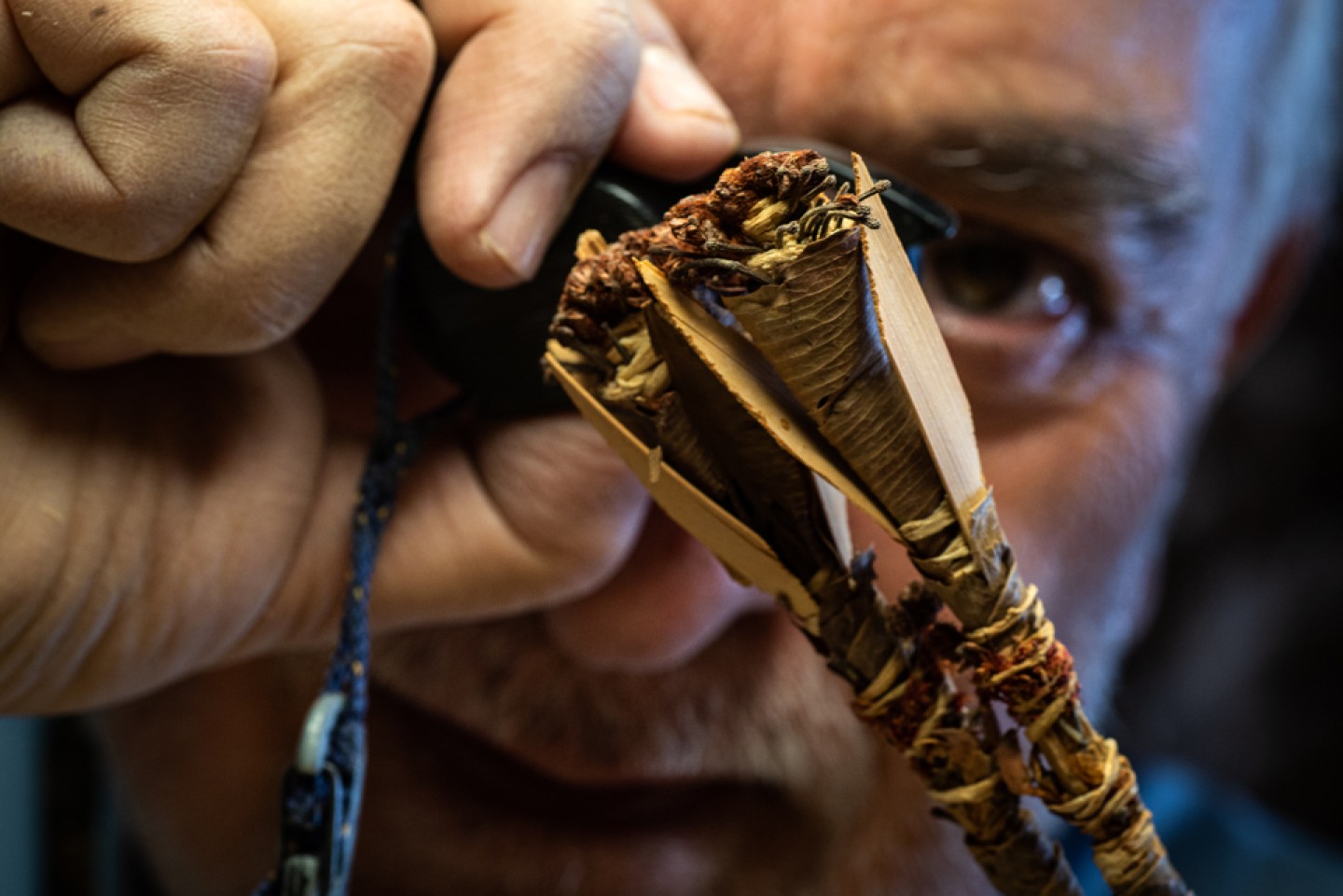
Today our colleague Daniel Sánchez Mata, Professor of Botany at the Complutense University of Madrid and Associate Professor at Harvard University, joined the team. Daniel has arrived to spend a few days studying the plant remains unearthed during previous seasons. Two of the most remarkable finds were a bouquet of flowers and several garlands crafted with extraordinary care, discovered at the entrance of one of the subsidiary tombs in the complex of the vizier Ipi (TT 315). Through the study, documentation, and eventual publication of these findings, we hope to incorporate valuable botanical information into our understanding of Egyptian funerary rituals.

Image: Patricia Mora Photography

Meanwhile, inside Ipi’s burial chamber, there is a level of rapport between Miguel and the workers that we have rarely seen. Our stone expert is thoroughly enjoying the study of the sarcophagus and carefully determining the most appropriate sequence for dismantling it piece by piece, while the workers give their very best during moments of greatest effort and difficulty. Without a doubt, we are working with a team of highly experienced laborers, passionate about their craft and skilled in the techniques required to move heavy stone blocks.

Image: Patricia Mora Photography

One of the pieces removed today was a 650 kg block from the southeast corner of the sarcophagus—that is, from part of the foot end and the front. It also extended down toward the sarcophagus floor, meaning that the fragment dismantled today includes portions of all three of these sections.

Image: Patricia Mora Photography

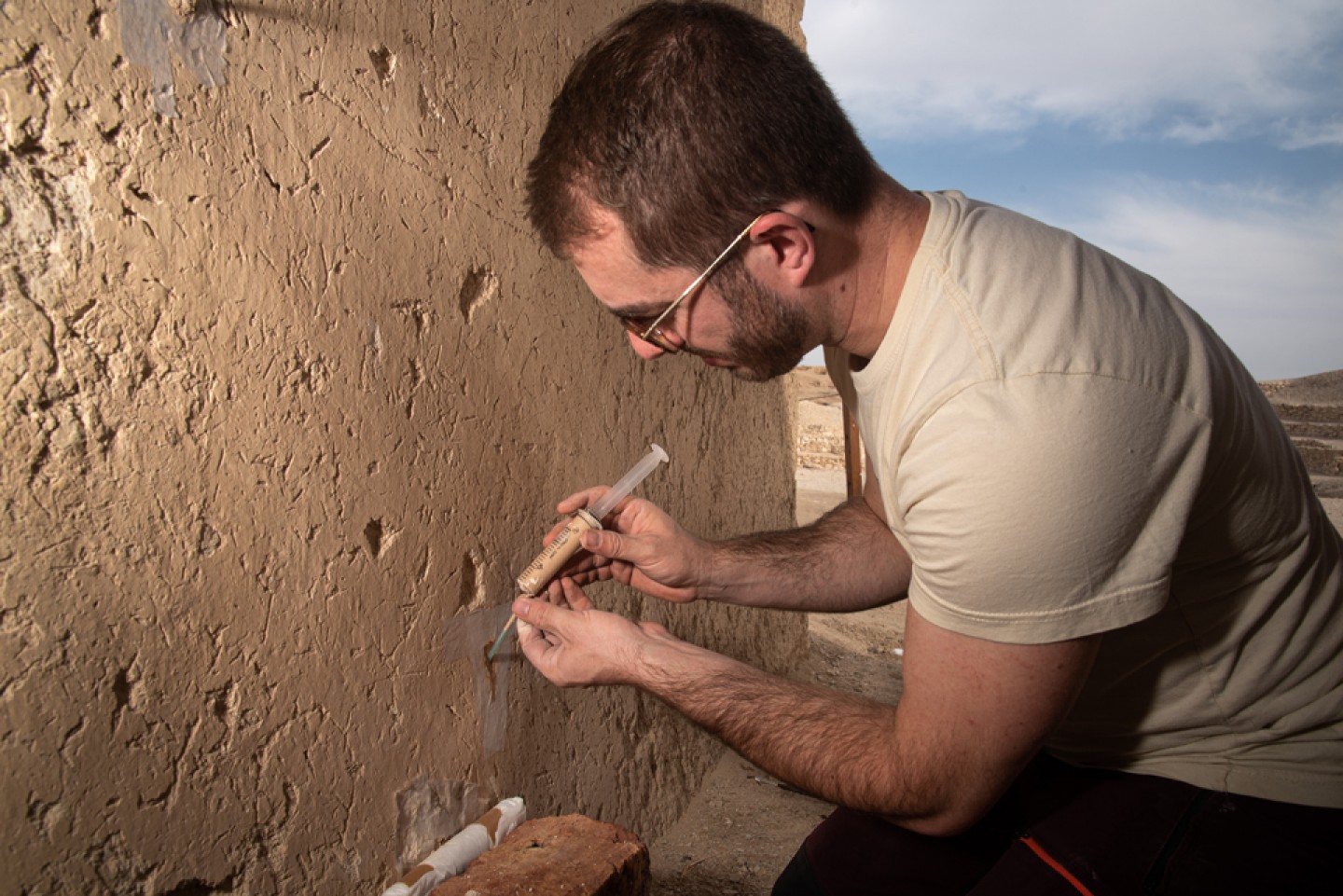
At the Djari complex, the conservation team devoted the morning to organizing their tasks individually and tackling several objectives simultaneously. While Reed and Sameh applied a structural mortar to one of the walls with the most deterioration, Jaume and Ella continued injecting the mortar that will act as a consolidant in areas where material has been lost and cavities remain; and Arantxa carried on with the restoration of the large fragments of fallen mortar that were collected during previous seasons.

1_sin autoría

Piece by piece, we keep moving forward

This morning began with task distribution so we can make the most of every remaining moment until the end of the season. The conservation team stayed at the tomb of Djari, where they were joined by a new member: Ella Andrews. Ella had just arrived from the United States, but despite the jet lag and a full night of travel, she decided to jump in right away without taking time to rest, spending her first morning catching up alongside the rest of our conservation team: Arantxa, Jaume, Reed, and Sameh. Meanwhile, the rest of the team headed off to the tomb of Ipi, where it was essential to resume the demanding pace of dismantling the fragments that still need to be moved out into the corridor. It has been a tough day of restoration and conservation work at the tomb of Djari, and of transporting large blocks at Ipi’s monument, but there is always time for a smile and many questions to discuss at the end of the day before heading back to the hostel.

Image: Antonio J. Morales

The team assigned to the tomb of Ipi kept a strong pace today, not only in removing the sarcophagus fragments that required the highest priority (due to their fracture, position, or condition) but also in cataloguing and photographing each of them. Most of the fragments transported out of the burial chamber were small or medium-sized, except for one of the blocks from the side of the canopic chest, which weighed around 500 kg. Miguel has been carefully selecting the fragments that needed to be taken out of the chamber, first using the winch to secure each piece and safely move it onto the platform in front of the ramp leading up to the main corridor of the tomb.

Image: Antonio J. Morales

In this corridor, at the upper part of the tomb, Rebekah and Raúl continued working to complete the fragment map and the corresponding records, while Antonio helped with the photography. In the coming days, we will proceed to remove most of the fragments from the east side of the sarcophagus (“front”) and the three pieces still missing from the canopic chest (the east and north blocks, and the floor slab of the chest). The room now looks very different with the removal of the blocks that were lying on the chamber floor and those belonging to the foot end of the sarcophagus. Stored in the corridor, they now await the moment when we can complete the full dismantling so that one day they can undergo conservation and bring the inscriptions and iconography back to a better state.

Image: Reed Hudson

Meanwhile, at the tomb of Djari, restoration work has continued with Ella’s incorporation. Together, the team focused on planning a broad treatment for the walls using the fill we began applying the previous day, allowing the most complex areas to be properly consolidated.

1_DSC6490

Advancing the restoration of Djari’s walls: fillings and infiltrations

Image: Patricia Mora Photography

The conservation team was strengthened today with the arrival of Jaume Vilaró, a postdoctoral researcher at the Vatican Museums, who has joined our team to support the restoration of the walls, mortars, and mural paintings of the tomb of Djari. Together with Arantxa, Sameh, and Reed, he will work over the coming days —along with other new arrivals— on the important task of recovering the original appearance of the tomb’s walls, a monument of the First Intermediate Period that preserves an exceptional iconographic program.

Image: Patricia Mora Photography

On this first day, already with Jaume’s support, we made significant progress in preparing mortars and “fillings” that will help structurally stabilize several walls currently in poor condition. To that end, the team also began using a new filling technique today in key points, so as not to add excessive weight to the binding layer being applied. The method consists of cleaning the cavities within the wall and injecting consolidating materials and mortar directly with a syringe or through a long conductive tube. Arantxa and Reed worked on preparing the mixtures and mortars, while Sameh and Jaume injected these compounds into the walls.

Image: Patricia Mora Photography

In the tomb of Ipi, we continued transporting large blocks from the burial chamber to the tomb’s corridor. In previous weeks, Miguel had moved several blocks weighing 400 to 600 kg, and now it is the turn of fragments whose dismantling is not as straightforward—such as the blocks of the stone canopic chest—or pieces of even greater size, reaching up to one ton. These blocks are being examined and inventoried by Rebekah and Raúl, who are working to review and record their characteristics in detail for future reassembly work. Among the fragments are sections of the inscribed and decorated registers of the sarcophagus, including one analyzed today that preserves several of Vizier Ipi’s titles.

Image: Ana Serrano (Arqueomundo)

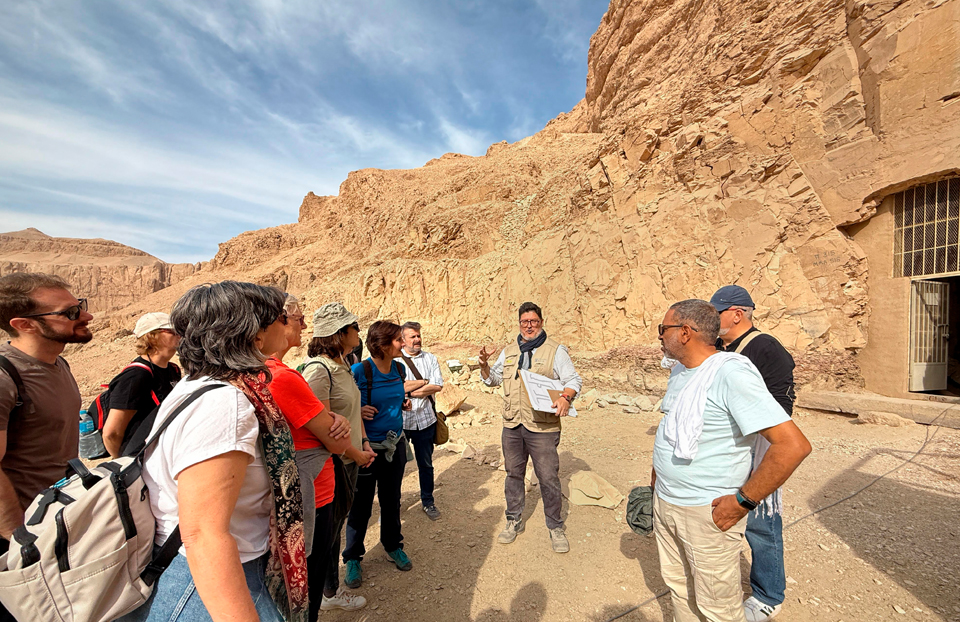
Today we received a visit from a group of Spanish tourists who, through the travel agency Arqueomundo, had obtained official permission from the Egyptian Ministry of Tourism and Antiquities (MoTA) to access the concession of the University of Alcalá (UAH). The experience —just as with previous visits from other research groups— was very positive. Their arrival at this time allowed them to observe the mission’s work at full capacity: the burial chamber of Ipi filled with the pulley and winch structure, and the corridors of Djari lined with newly discovered paintings undergoing restoration. Thanks to the permits arranged by Arqueomundo, the group was able to access materials, spaces, and explanations from our specialists that would otherwise have been out of reach.

1_DSC5682

Back to work after the weekend — even with a power outage

Image: Patricia Mora Photography

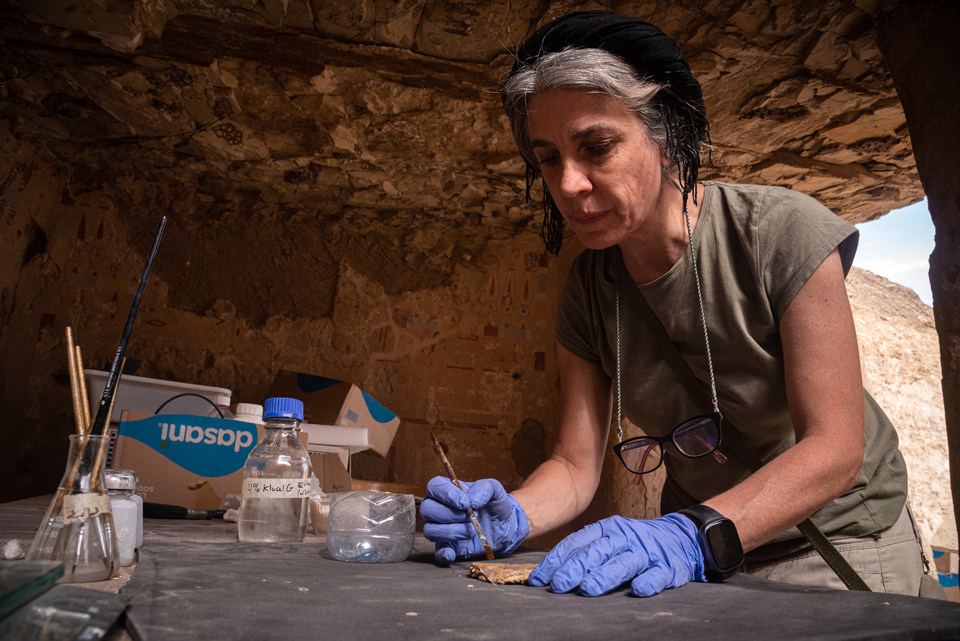
The week began with the arrival of another one of our conservators, Reed Hudson. Having landed in the early hours of Friday morning, today was her first full day with the team. The morning was devoted to catching her up on the progress made so far and bringing her into the ongoing discussions about mortar and plaster tests. Sameh and Arantxa had already been experimenting with mixtures based on last season’s calculations, so Reed stepped in at the perfect moment to evaluate how these mortars—whether lime-based or not—behave when applied to the tafla stone of the Djari complex.

Image: Patricia Mora Photography

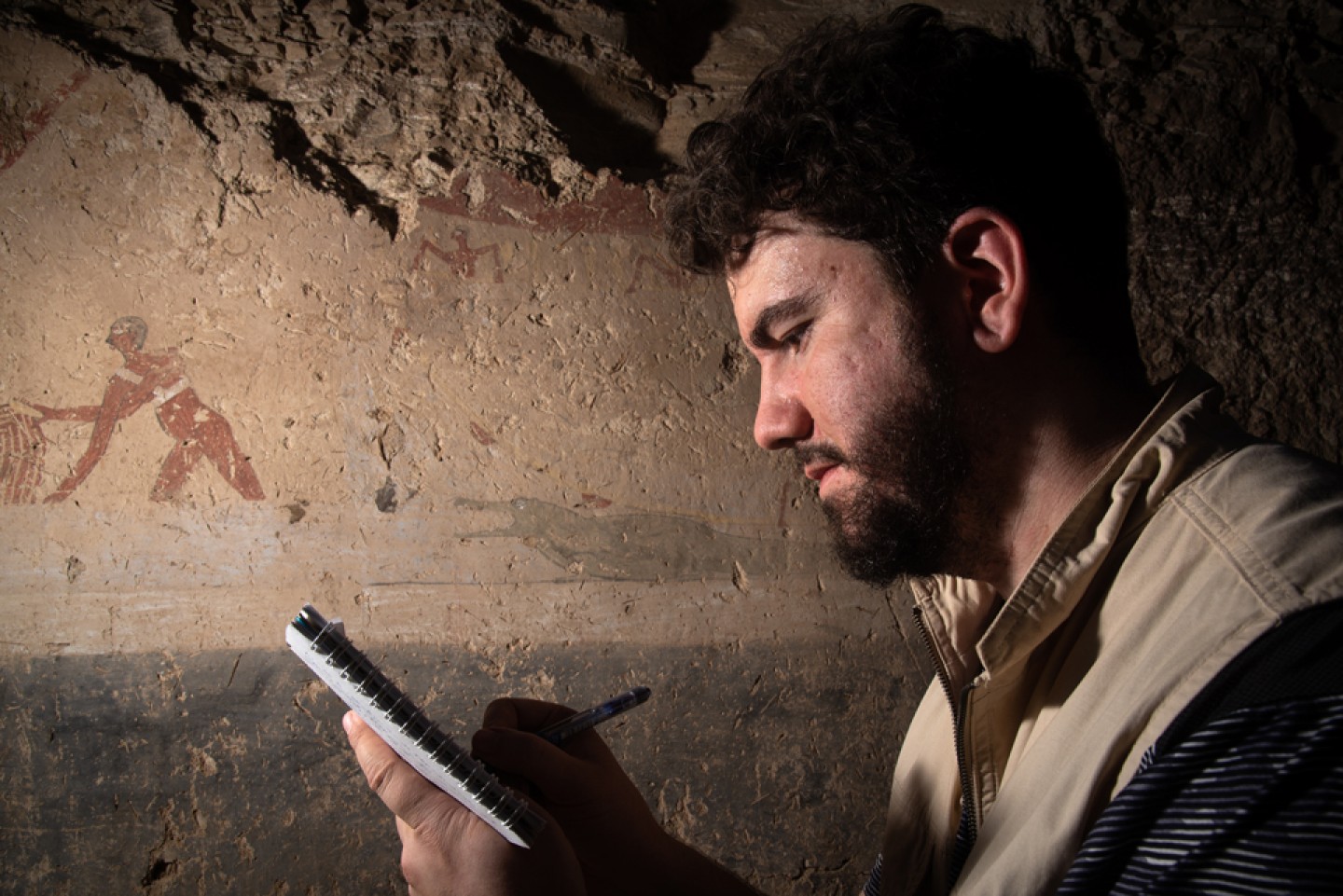
Arantxa and Reed spent much of the day revisiting previous trials, weighing questions about the proportion of lime to add, and even considering whether some of the lime traces might originate naturally from the stone itself or from the jiba used during the preparation of the mortars. Within the team, the study of the original components of the paintings, mortars, and plasters is being carried out with great care, allowing us to define the most appropriate strategies for structural reconstruction and conservation. Meanwhile, Andrés continued his meticulous documentation of the fishing scene in the main corridor—a vivid tableau showing three different fishing techniques on the river, complete with two crocodiles, those formidable creatures that symbolize both the dangers of the Nile and the vigilant guardianship over the tomb’s entrance.

Image: Raúl Sánchez

At the funerary complex of Ipi, however, the day was cut short. A power outage left us without electricity, and without proper lighting we could not risk moving large stone blocks, even with battery-powered lamps and torches. We were told during the morning that a new transformer box was being installed on the West Bank, which explained the interruption. Taking advantage of the forced pause, Miguel assisted Raúl and Rebekah in reviewing the lists and documentation of the previous finds, before everyone made their way down the slope of Deir el-Bahari to join the rest of the team at Djari, on the Asasif plain.

Image: Antonio Morales

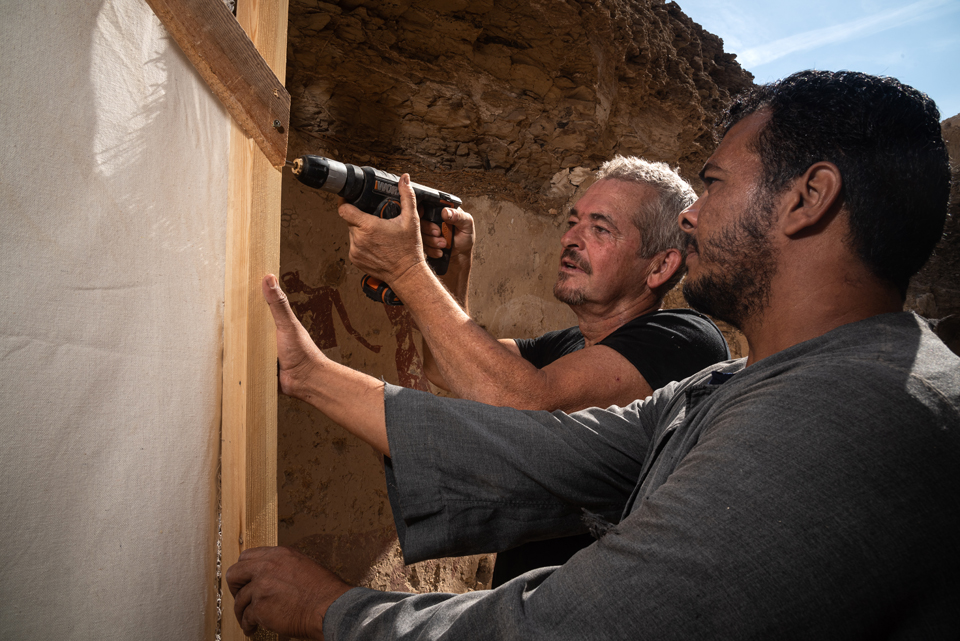
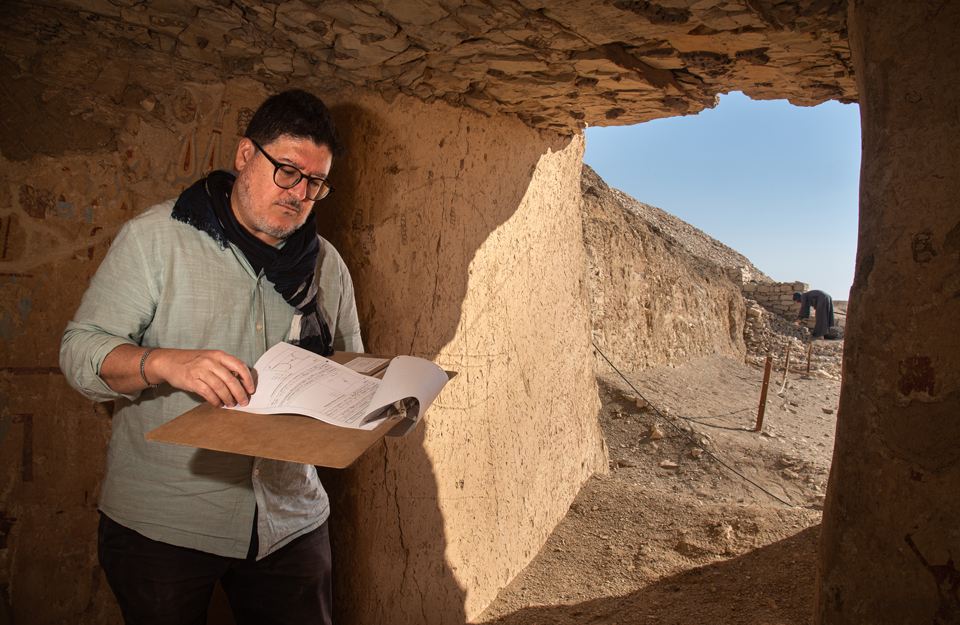
With the Ipi-team now on site, we were able to push ahead with several tasks awaiting completion at the Asasif tomb. One of them was the final installation of the tent fabrics, which needed to be secured to the frames of the protective shelters covering the wall paintings. As Miguel and Rebekah finished fastening the last sections, Raúl and Antonio examined the various graffiti carved into the walls. At the same time, Antonio completed the identification and numbering of all the scenes in the tomb, integrating references from the Metropolitan Museum of Art’s earlier expedition wherever possible. This will allow us to move forward with a fully systematic approach to documenting every wall, scene, and decorative detail within the monument.

1_DSC5332

From the Vienna system to a potter workshop (with the permission of king Huni)

Image: Patricia Mora Photography

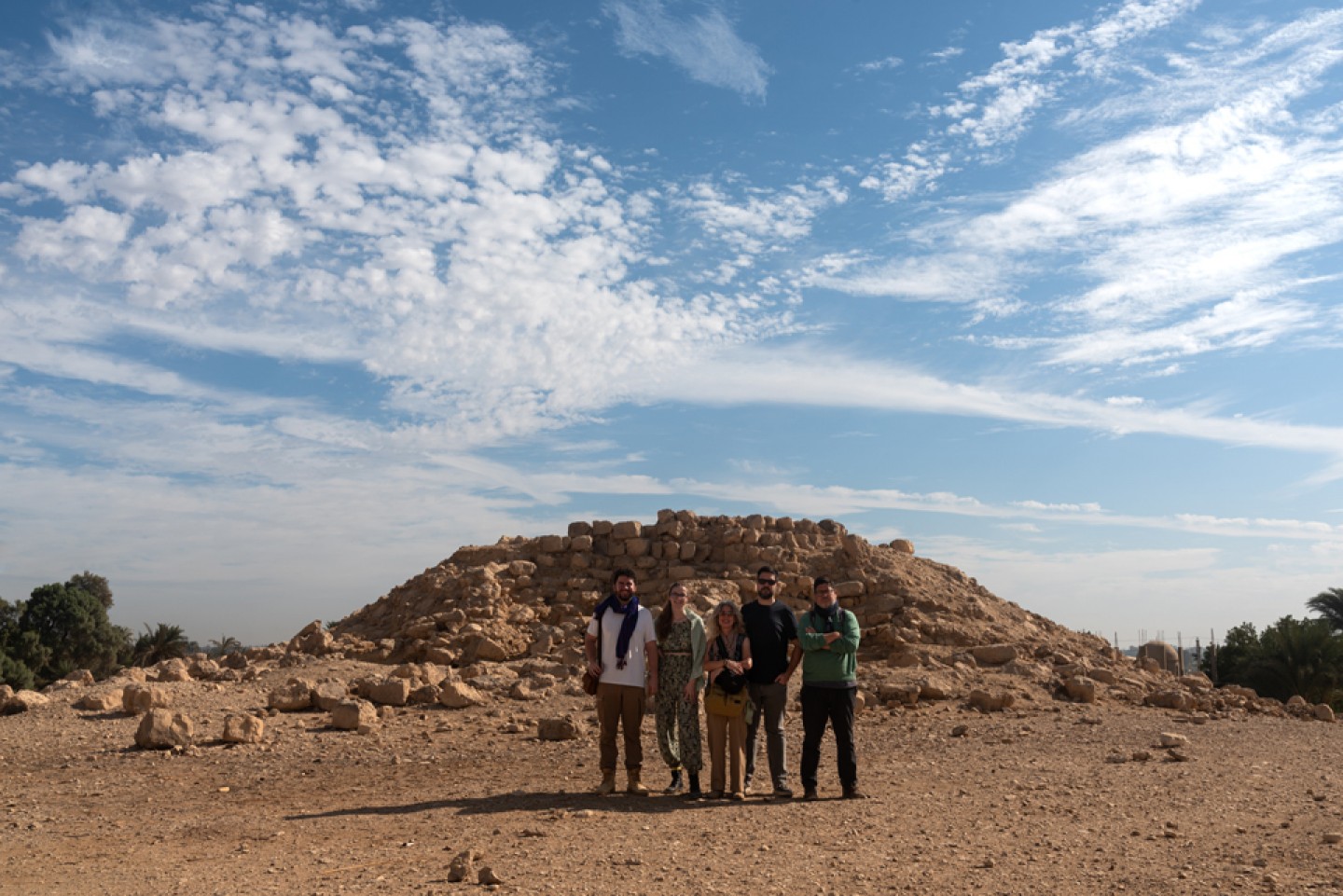
On our day off, the team decided to visit the region of Naqada, best known for the archaeological site that gave its name to one of the typological and archaeological sequences used —among others— by Flinders Petrie in his classification of prehistoric cultures. Although we knew that the Predynastic necropolis (with remains from later periods as well) was inaccessible, we took the opportunity to visit the area where the small pyramid of Naqada (or “of Nebut”) stands. This structure belongs to a group of monuments of smaller scale than the funerary pyramids and exemplifies the Old Kingdom’s monumentalization of the landscape—specifically during the reign of Huni—driven by significant ideological and economic motivations. These buildings remain the subject of lively debate, and research teams such as the one led by Richard Bussmann at Zawiyet Sultan continue to gather evidence to better understand the nature and function of these monuments.

Image: Antonio Morales

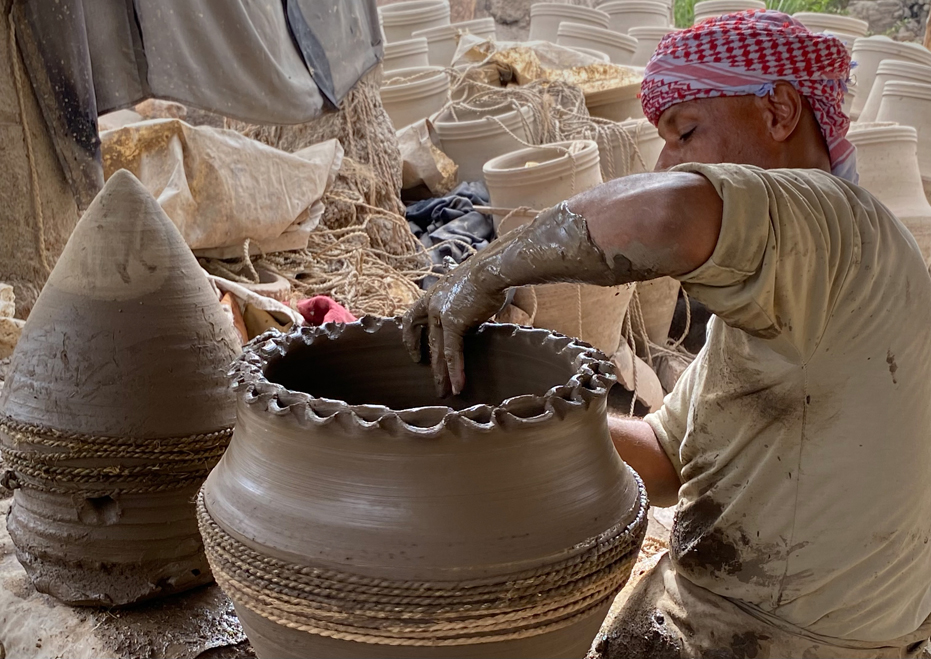
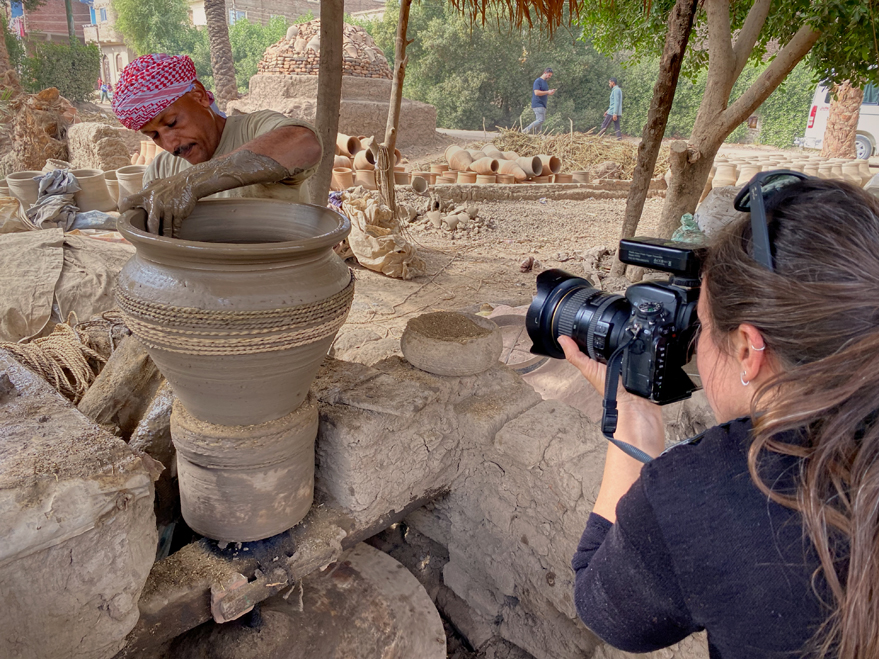
However, Naqada and its surroundings (extending to nearby Deir el-Ballas) are also famous for their ceramic production, their potteries, and the specialists who, over generations, have preserved this craft and source of livelihood within their families and villages. In the village of Toukh, we visited the workshop of the potter Higazi Ali, who welcomed us with the characteristic hospitality of Egypt and spoke about his family’s craft and business while showing us the use of the kick wheel and the types of vessels he can produce. He also showed us the two kilns where they fire their pieces: up to 110 large jars or 200 small ones in a single load. As always, travelling through different corners of Egypt reminds us that, beyond the books, one can still find living evidence of ancient methods, virtually untouched despite the passing centuries. Some examples of these moments suspended in time are donkey transport, the use of the shaduf to lift water into the irrigation channels, or the production of pottery itself. For those who study Egyptian ceramics, understanding the Vienna System is essential, but observing present-day production processes helps illuminate many aspects of ancient techniques.

Image: Antonio Morales

On the way back from Naqada, some team members took the opportunity to visit the funerary temple of Seti I, located on the boundary between the cemetery of El-Tarif and Dra Abu el-Naga. In this part of the Luxor landscape, diverse experiences converge: the local mosque of the West Bank, the funerary temple of Seti, the modern cemetery of El-Tarif, the ancient necropolis of the Intefs, and the checkpoint—monitored by the police and crossed by thousands of tourists each year—leading to the Valley of the Kings. Those who visited the temple enjoyed its rich inscriptions and iconography and returned to the hotel in the iconic West Bank tuk-tuks.

1_IMG_4225

With the blessing of the ba-spirits of Ipi and Djari

Image: Antonio Morales

The morning began with the assembly of the remaining jaimas, which will shelter Djari’s wall-paintings over these intense weeks of documentation and restoration. As we mentioned yesterday, these portable modules can be moved if needed, either to protect the paintings from the harsh sunlight or to make the specialists’ work easier. Meanwhile, rais Ali gave precise instructions so that the small team of workers could set about their tasks —whether making their way to Ipi’s tomb, some 450 meters from Djari or descending into Djari’s courtyard to begin restoration alongside Sameh and Arantxa.

Image:  Rebekah Davis

Inside Ipi’s burial chamber, the labor of transporting stone blocks continued unabated. Today, after five days of strenuous effort, copious sweat, and numerous rallying chants to lift some of the monoliths, the chamber is noticeably freer of blocks and fragments that might have collapsed otherwise. For the next couple of days, it will remain sealed, without its ba-spirit observing—perhaps puzzled by all the movement—as we gradually dismantle his sarcophagus. Over the week, roughly 1,650 kg of stone fragments and blocks have been removed from the chamber, offering a strikingly different view of the funerary space surrounding the sarcophagus. Meanwhile, Rebekah and Raúl have continued cataloguing the finds, paving the way for a smooth reconstruction. Given the centuries of burial, we believe the spirit of the vizier Ipi would be pleased with the mentioning of his name, the restoration of his tomb and sarcophagus, and the recovery of the sacred texts that once guided and protected him on his journey to the afterlife.

Image: Patricia Mora Photography

As for restoration and documentation in Djari’s tomb, the previous flurry of preparations, tests, and surveys gave way today to a calmer yet meaningful day, largely due to the variety of tasks completed inside the tomb. Andrés took the opportunity to plan —with our team’s photographer— which motifs and details should be photographed on Saturday, after the weekend (in Egypt, this includes Thursday afternoon and Friday). Capturing these motifs is essential for Andrés’s research into fishing activities once the campaign resumes. 

At the same time, Arantxa and Sameh were assessing the effectiveness of the mortars tested by our conservation team during the previous campaign. These three mortars correspond to types 1, 2, and 3 in our classification, each made from different compounds. If the Theban gods (Amun, Montu, Mut…) allow, Djari’s tomb will regain part of its former splendor, and we hope its owner will be satisfied with the preservation of his name in the community’s memory —at least in the academic one. Meanwhile, inside the tomb, Antonio continued examining the funerary cones discovered a couple of years ago, preparing them for publication. These cones, dating to the reigns of Hatshepsut and Thutmosis III, were found in Djari’s complex and deserve a thorough study.

Image: Patricia Mora Photography

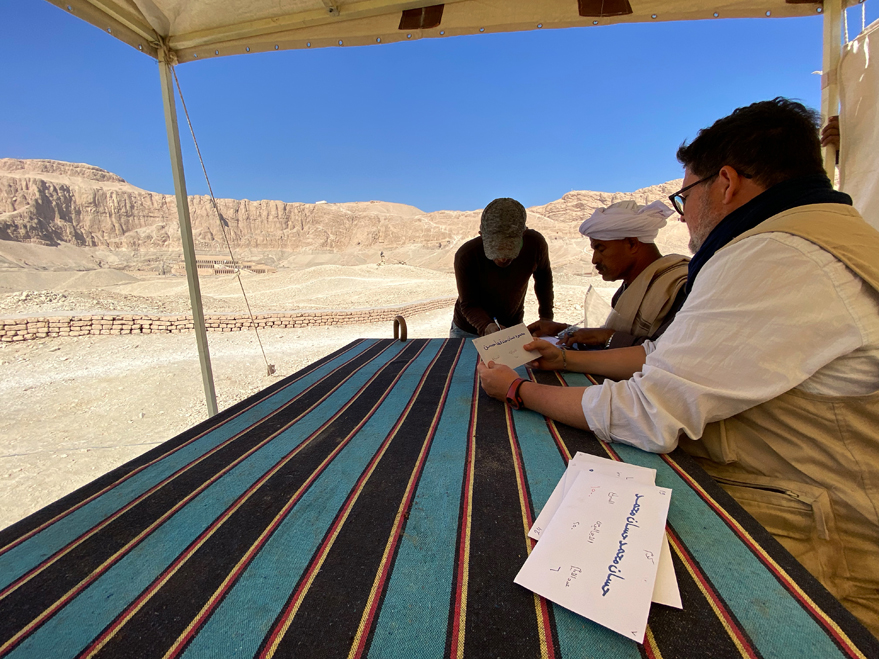
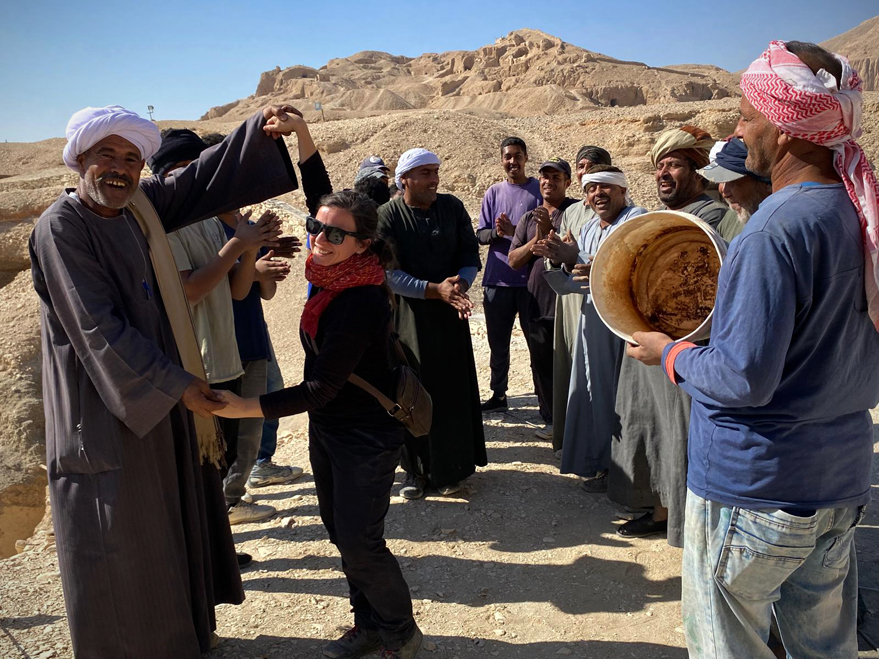
Moreover, today was payday, marking the start of the weekend. The weekly wage payment is a ritual of long-standing tradition, celebrated and upheld by the ru’asā’ (plural for “rais” or foreman) of highest lineage. Beyond simply distributing wages, this ceremony personally acknowledges each man’s effort, dedication, and contribution. In addition to the regular payment, our director greeted each worker and discussed the recent tasks and plans for the weeks ahead. These men, arriving each morning from nearby villages, have honed over the years the full range of skills needed in the necropolis, making them indispensable specialists for any project in the area.

1_DSC4593

Between pigments and monoliths…

At the Annual Meeting of the American Research Center in Egypt, held in April 2024 in San Francisco, the director of our project presented the latest work carried out in the funerary complex of Djari (TT 366). Although the restoration of the wall paintings was not yet advanced, the team had already recognized the importance of the tomb’s decorative program. Its significance lies not only in the variety of themes represented (fight, funerary ritual, fishing, daily work, offerings) but also in what appears to be a combination of two stylistic traditions corresponding to the two periods lived by Djari, before and after the reunification of ancient Egypt. As part of the research derived from our project, Andrés is studying one of the most intriguing scenes in the tomb —a composition that depicts three different fishing techniques. The cultural, social, and even ecological insights arising from this scene are numerous, and Andrés will surely succeed in contextualizing and explaining its meaning within the broader framework of Djari’s decorative program. 

Image: Patricia Mora Photography

As a support for the documentation activities in the complex of Djari, we have built a series of haimas to protect the paintings, provide shade for the researchers, and ensure that both documentation and restoration proceed properly. Miguel, with the help of a couple of workers, prepared these wooden shelters with canvas roofs, which will greatly contribute to safeguarding the decorative program. Thanks to a modular system of portable shelters, we can reposition or dismantle them whenever needed, making this method particularly useful for those working in the transversal corridor. This system will allow Patri to continue documenting the decoration through traditional and multispectral photography, while conservators carry out treatments without major obstacles.

Image: Patricia Mora Photography

Regarding the rest of the day tasks, work continued in the sarcophagus chamber of Ipi with the transport of a 650 kg sandstone block. Originally part of the tomb floor, moving this piece to the main corridor will allow us to continue work on the sarcophagus chamber. For moving the blocks, in addition to the wooden structure equipped with the winch, we use a system of straps that makes it possible to haul each piece safely. Meanwhile, and engaged in a completely different type of task, Arantxa applied consolidation techniques to fragments of fallen mortar from previous seasons, which will gradually need to be repositioned on the tomb walls.

Image: Patricia Mora Photography

At the end of the morning, upon returning from the site, Patricia, Jaume, and Antonio took part in a meeting with an Italian research team to discuss the possible ramifications of using the hyperspectral camera. This camera —which captures images across multiple wavelength ranges of the electromagnetic spectrum— allows us to take recordings of specific wall sections (known as “cubes”) and to identify the materials used in the representations (pigments, inks) as well as the supports (layers and treatments). In doing so, it contributes to a deeper understanding of the ancient artistic and technical production processes.

1_DSC5814

Working with stone blocks, a winch, and birthday cake

Restoration and conservation work in the tomb of Djari is moving steadily forward. We devoted the first week to preparing materials and studying the current condition of the tomb, including producing alteration maps that will allow us to understand the extent to which each sector of the walls presents issues when we come to intervene. Meanwhile, Miguel continues to make good progress in the burial chamber of the sarcophagus with its dismantling. The small and medium-sized pieces were already removed from the chamber, and we now face a new stage involving blocks that weigh several hundred kilos.

Image: Rebekah E. Davis

In the tomb of Ipi, we continue to follow the workflow established from the beginning: Miguel works inside the chamber selecting the fragments that will be dismantled and taken out. At first, smaller fragments were chosen—those that could be transported easily without the help of the workmen or the need for a sledge. A little later, the size of some fragments required the use of a sledge built on a wooden platform, which allowed us to move pieces of up to 400 kg. Considering that some blocks of 600–800 kg await us, Miguel has begun to build a structure that will allow the use of a winch (a mechanical device with a rotating drum that winds a cable or rope, enabling heavy objects to be lifted or moved).

Image: Rebekah E. Davis

Meanwhile, above ground, Rebekah labels each fragment and records its essential information —above all to establish its exact location on the “wall map” we are designing for each side. Although Rebekah handled the inventory and data collection during the first few days, she was joined two days ago by Raúl Sánchez, who will remain with the team for the rest of the season. The final phase of this workflow is carried out by the conservators, who perform an initial, straightforward intervention on each piece—one that will be expanded and refined once the fragments are reunited with the main sarcophagus.

Image: Antonio Morales

As for the tomb of Djari, we continue with the study and documentation work we have been describing these days. Despite the systematic and steady rhythm of our analysis, every glance at a scene still surprises us with the wealth of details that the artist (or artists!) of the Eleventh Dynasty included in the representation of various religious scenes and aspects of daily life. And speaking of daily life, we took advantage of breakfast today to celebrate the birthday of one of our team members, Patricia, who received congratulations from everyone and enjoy the songs and cake  —with all the emotion one might imagine. Qul sana wa enti tayyiba, Bata!

1_DSC0765

Conservation begins through the lens

This morning we began reorganizing the tables and work areas, placing our conservators in the northern sector of the transverse corridor, where we have stored the findings from the previous seasons. The assemblage of objects from earlier campaigns is not very large, although the discovery of fragments of wall paintings and mortar is significant. For this reason, this year, restoration activities take on a central role. In addition, to carry out proper restoration, the current condition of the wall paintings must be documented before any intervention, which is why photography has also become a priority for the restoration and conservation work.

Image: Patricia Mora Photography

As we noted yesterday, the work of the inspectors is extremely important — not only because they ensure that the activities undertaken comply with the permissions, but also because they contribute with their experience and expertise to the development of the restoration, photography, and drawing works in the project. In the tomb of Djari, our inspector, Aabla Abd al-Hak Ahmed, has been a constant source of support from the very beginning: her diligence, her continual assistance, and her kindness allow us to work with the best colleague we could hope for. 

Image: Patricia Mora Photography

In regard to the restoration works, we must not forget our restoration inspector, Sameh Awad. As mentioned earlier, he has joined us to lend a hand with the restoration of the paintings and with the sarcophagus fragments. His experience in the conservation of wall paintings—both in temples and in tombs—is extensive, and the depth of his expertise becomes clear when one watches him work with the fallen wall fragments that we must now recover.

Image: Patricia Mora Photography

Work on the paintings requires, on the one hand, documenting their current condition. This task is carried out by our photographer, Patricia Mora, who is photographing every wall, pillar, and scene to create a complete and abundant visual record: general views, perspective shots, rectified images, and detailed photographs. We must not forget that, in addition to traditional photography, our photographer uses a multispectral camera to capture images of the paintings, enabling us to interpret the data in terms of colors, pigments, components, and the production techniques of the mortars, plasters, and inks. All this work with the photographic documentation is a reminder of the significant role that our photographer plays in the team.

MKTP - Middle Kingdom Theban Project - Recuperando el pasado
logoUAH-footer

El proyecto

El Middle Kingdom Theban Project tiene como objetivos la excavación, estudio y publicación de varias tumbas de la necrópolis del Reino Medio en Deir el-Bahari (Henenu, Ipi, Neferhotep, E1) y de las tumbas de Dagi (TT 103) y Djari (TT 366) en la necrópolis de Asasif.

MKTP - Middle Kingdom Theban Project - Ministerio Egipcio de Antigüedades

Con la colaboración del Ministerio Egipcio de Antigüedades y las autoridades del Alto Egipto, Luxor y la Orilla Occidental.

Las tumbas

Las tumbas de Henenu (TT 313) e Ipi (TT 315) se encuentran en la colina norte de la necrópolis de Deir el-Bahari, donde fueron enterrados algunos de los oficiales más importantes de Mentuhotep II y principios del Reino Medio. 

La cámara funeraria de Harhotep (CG 28023) fue localizada en el patio de la tumba TT 314 y constituye uno de los ejemplos más interesantes en arquitectura, iconografía y epigrafía del yacimiento. 

En la planicie de Asasif, las tumbas de Dagi (TT 103) y Djari (TT 366) también representan monumentos a la memoria de altos cargos tebanos del reinado de Mentuhotep II que ayudaron a construir un gran estado.

MKTP - Middle Kingdom Theban Project - Patrocinadores - Ministerio de Ciencia e Innovación
MKTP - Middle Kingdom Theban Project - Patrocinadores - Gobierno de Castilla-La Mancha
MKTP - Middle Kingdom Theban Project - Patrocinadores - Fundación para el Conocimiento madri+d
MKTP - Middle Kingdom Theban Project - Patrocinadores - Ministerio de Cultura y Deporte
MKTP - Middle Kingdom Theban Project - Patrocinadores - Fundación Palarq
MKTP - Middle Kingdom Theban Project - Patrocinadores - Parque Científico y Tecnológico de Castilla-La Mancha
MKTP - Middle Kingdom Theban Project - Patrocinadores - Asociación Española de Egiptología
MKTP - Middle Kingdom Theban Project - Patrocinadores - Asociación de Amigos de la UAH

Copyright 2020 MKTP ©  Todos los derechos reservados. Editor: Antonio J. Morales
(con la colaboración de miembros MKTP)
Cookies | Privacidad

Sitio Web realizado por MindHouse