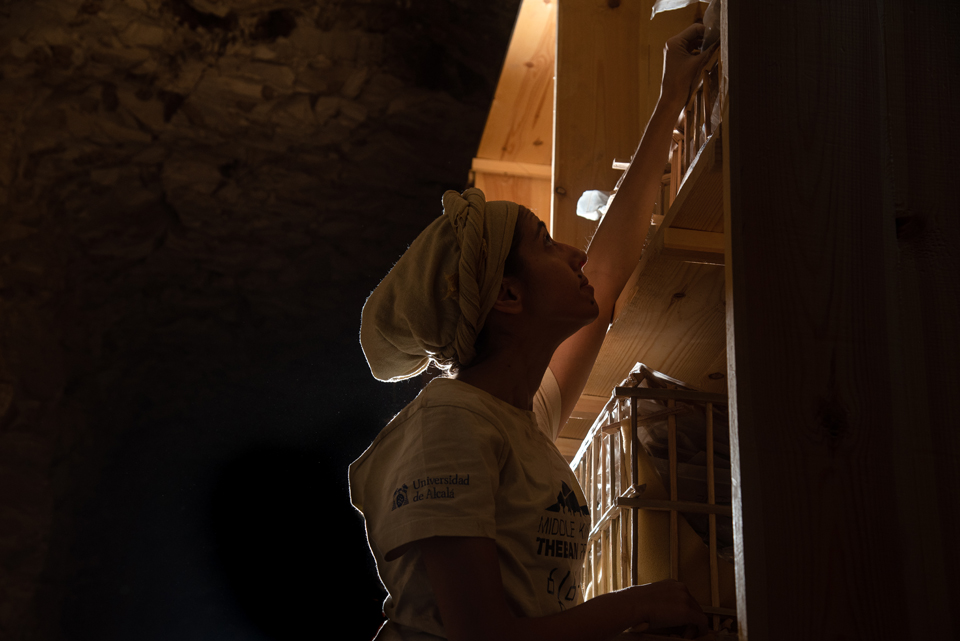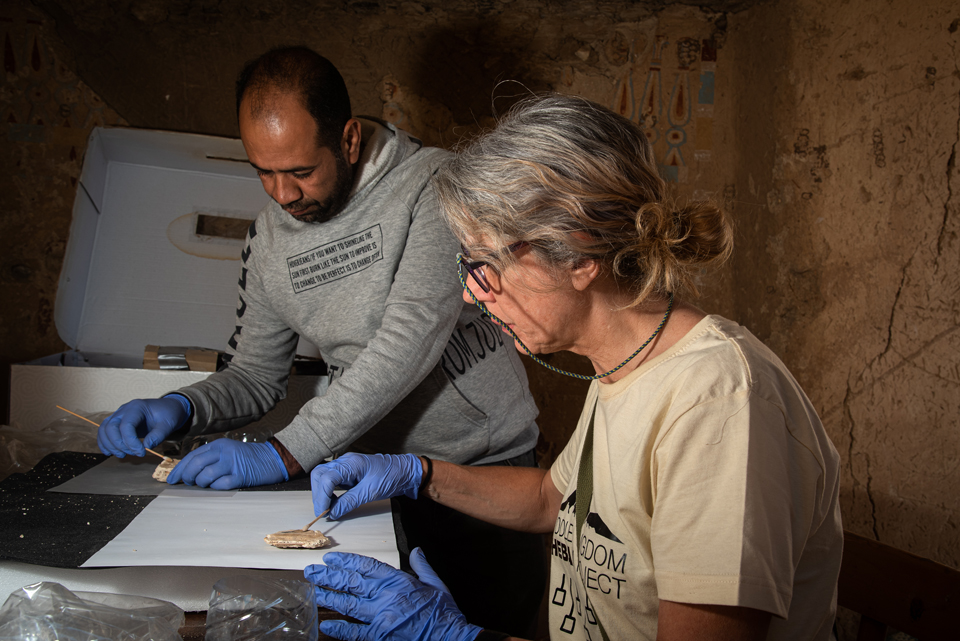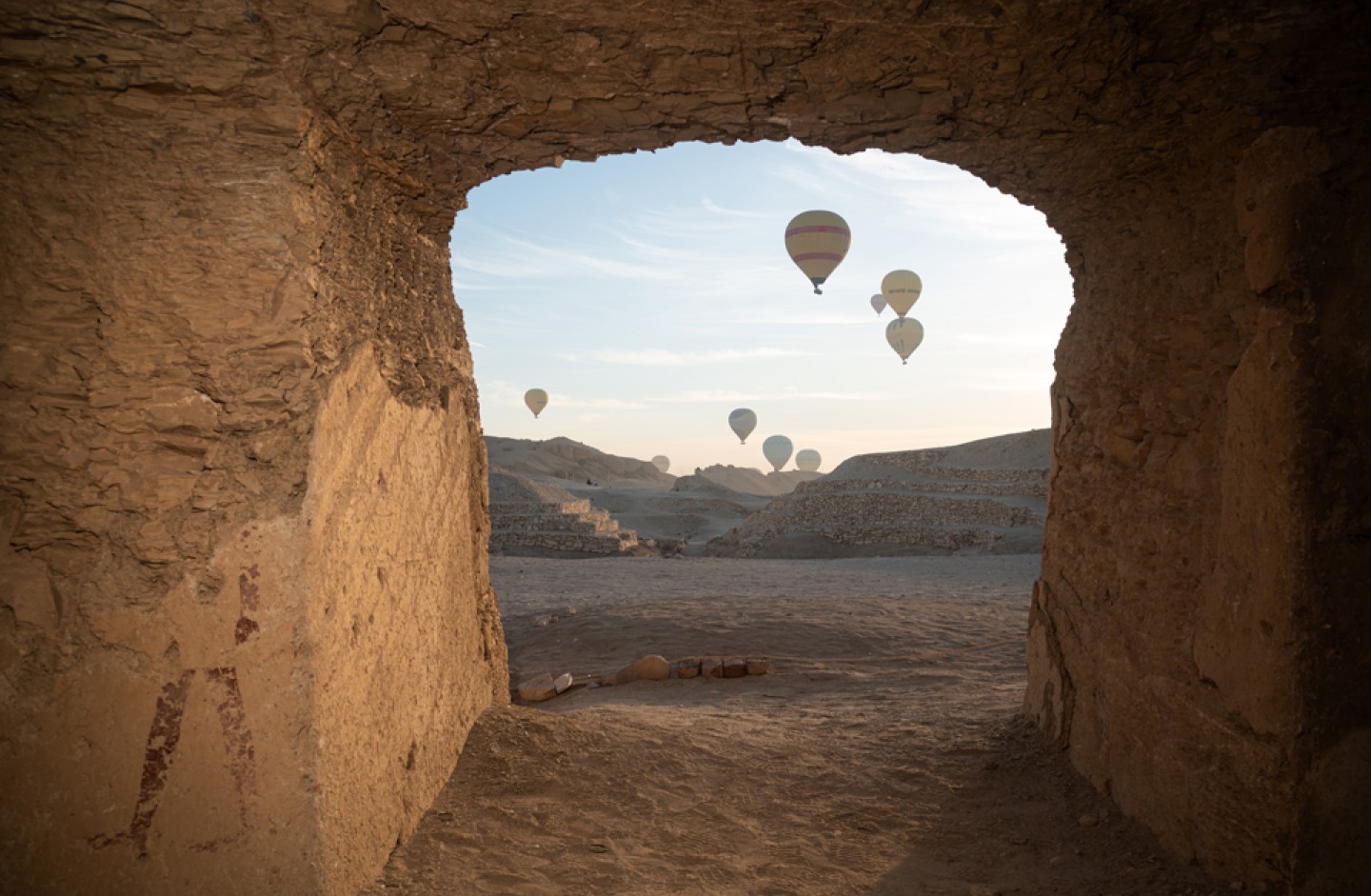
Every morning we arrive at the site with the feeling that it is a privilege to enjoy a job and a place like this. The Theban necropolis is one of those still-enigmatic places that holds countless secrets and attracts the attention of thousands of visitors. However, as soon as our work begins, that sense of fascination fades and is overtaken by the commitment and rigor demanded by the tasks we carry out —work that has a direct impact on Egyptian heritage and history. This is why, within minutes, everyone heads to their tables or corners where the materials await, ready to continue a fascinating yet rigorous and demanding endeavor.
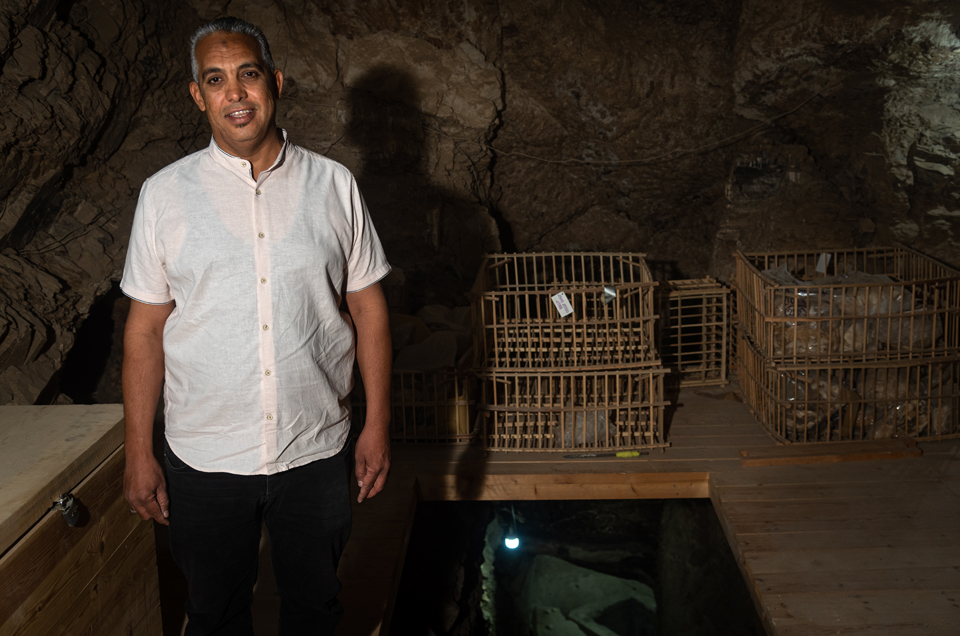
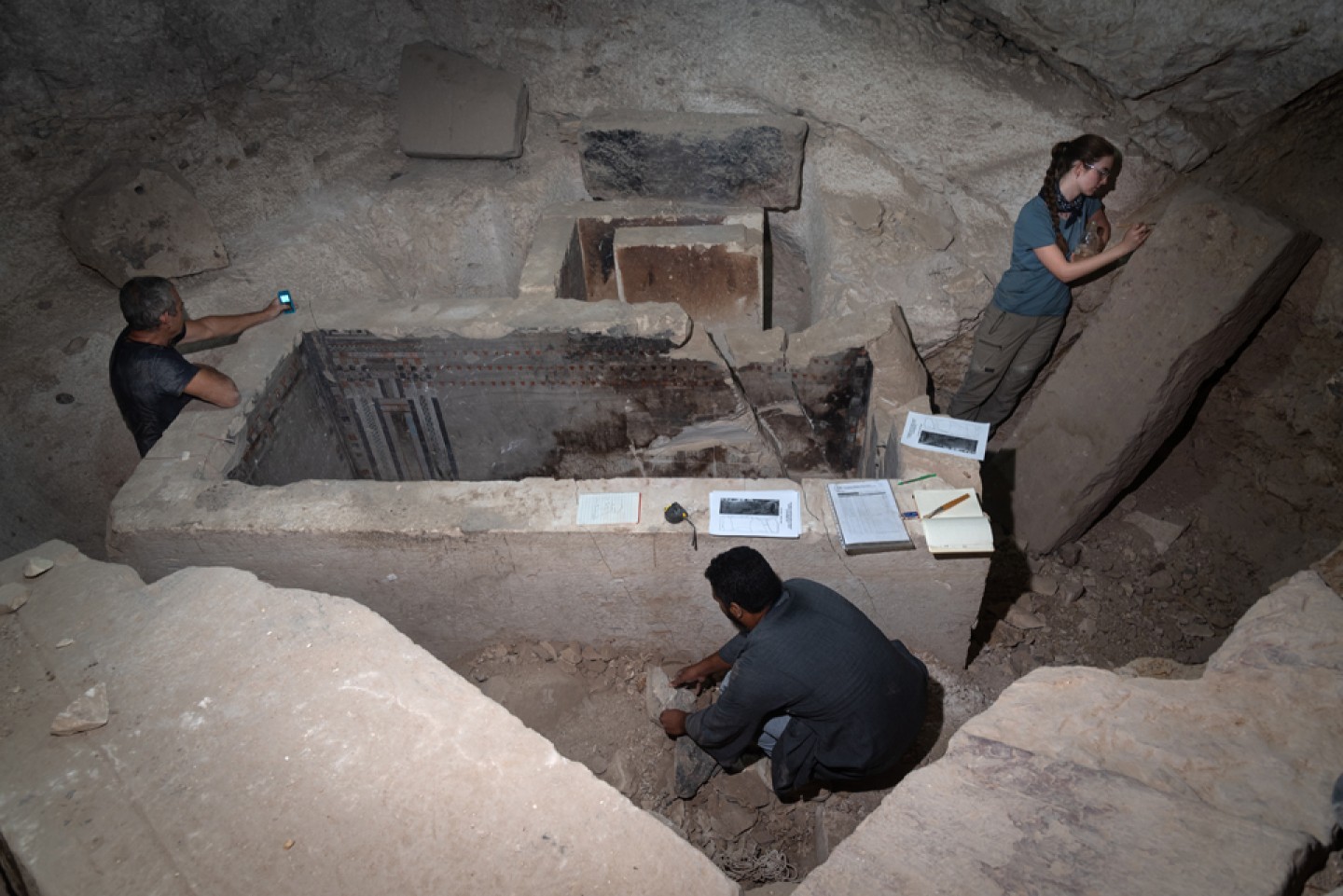
For the work in the funerary complex of Ipi (TT 315), this year we have been assigned an inspector well known to the team: Abu el-Qasem Hagag. Qasem has served as inspector for our project on two previous occasions, and because of that we know each other very well, sharing the kind of mutual understanding that only develops over time. Over the past few days, Qasem has been an essential help in preparing the work on Ipi’s sarcophagus, and we are certain that by the end of the season—as has been the case before—he will have become another member of the team, contributing just like everyone else to achieving the goals set for this campaign. He is an excellent inspector, with experience and the ability to assist, and this is evident in the day-to-day work. Together with Aabla, our inspector for the tomb of Djari, both can be considered important assets who bring value to the role of inspectors and strengthen the relationship between the teams and the Egyptian Ministry of Tourism and Antiquities.
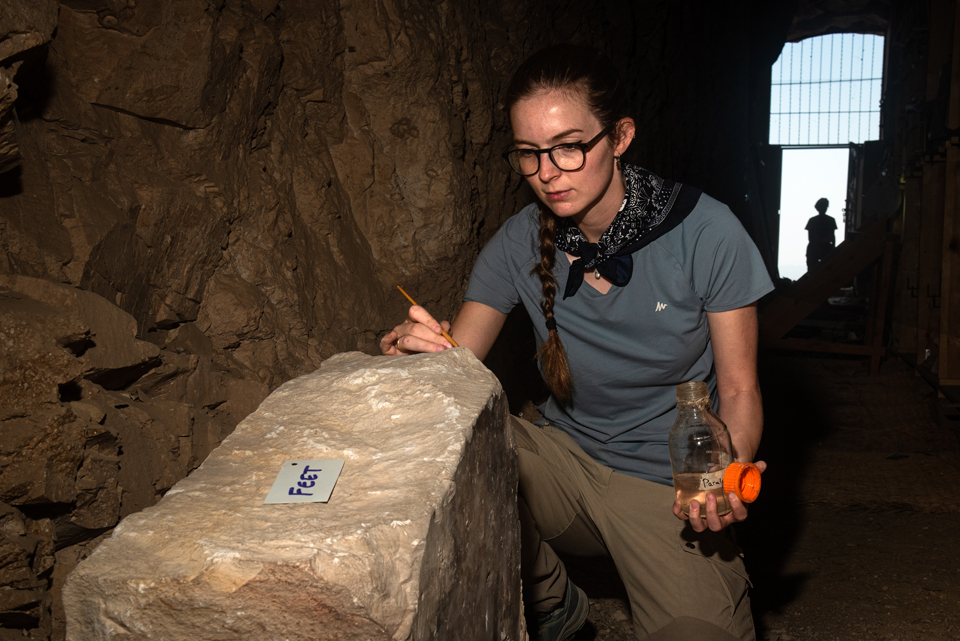
In addition to removing the fragments of Ipi’s sarcophagus —a task carried out by Miguel— the team dedicates time to inventorying the fragments to ensure that they are fully identified and located. These days, our colleague Rebekah has been working on this task, and alongside the systematic labeling of each fragment, she and Miguel keep a detailed record of the position each piece occupies on the plans of the sarcophagus walls. The cataloguing of each fragment —its original position, characteristics, photograph, and drawing— will later allow us to advance in the complete reconstruction of the high-quality limestone sarcophagus of the vizier Ipi.
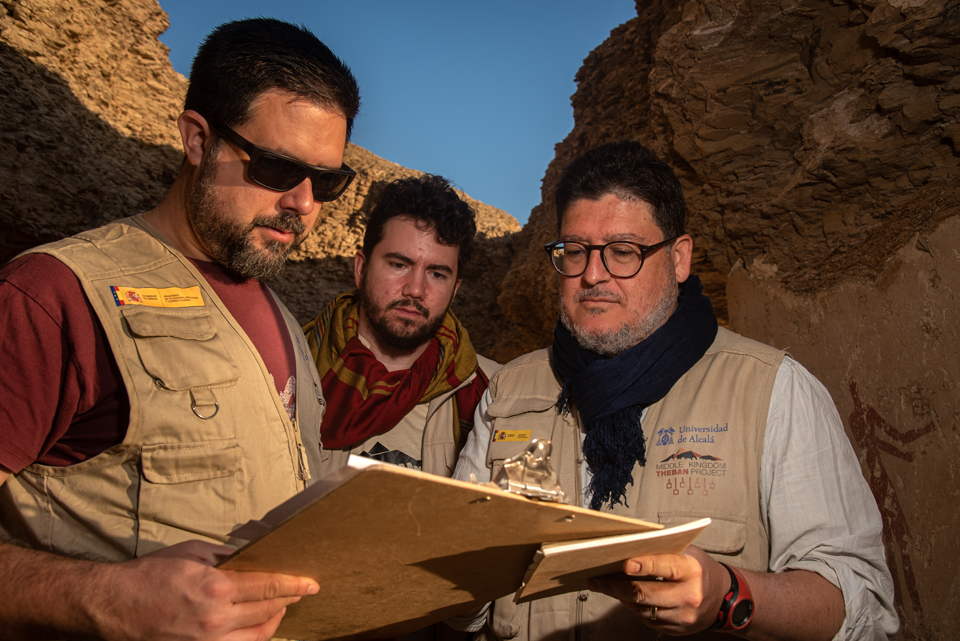
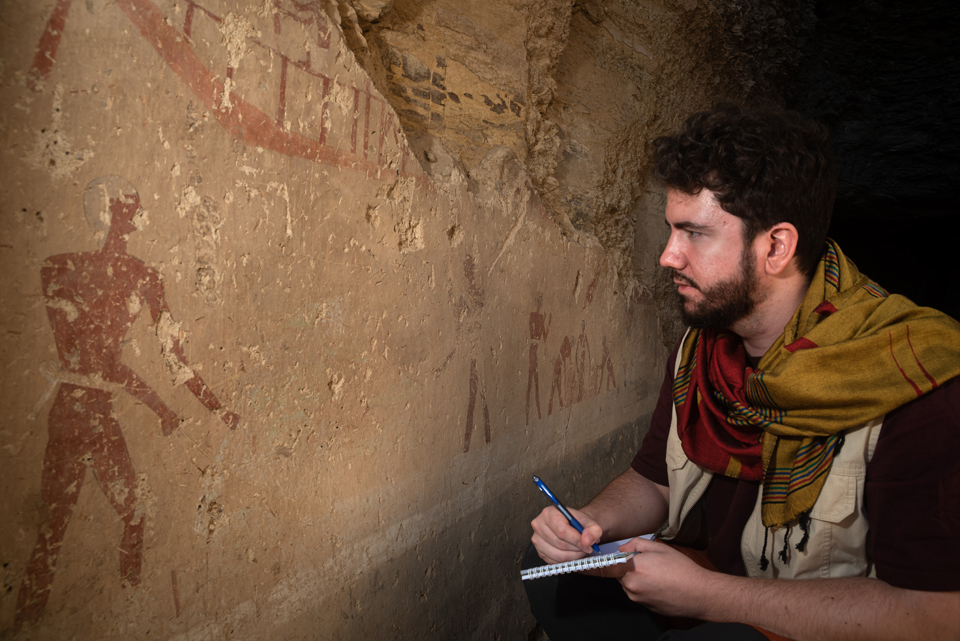
Meanwhile, in the tomb of Djari, we continue with structural and pictorial analysis. This leads to constant discussion about the potential problems that may arise during the restoration of pillars and walls, especially regarding the stabilization of the mud-plaster layers that support the paintings beneath a thin coat of gypsum —an issue the restorers are trying to address through suitability tests as part of the conservation process. This kind of analysis goes hand in hand with the documentation of the various paintings and scenes, as well as the examination of the inscriptions —mainly in hieratic— which serve as labels identifying individuals, scenes, and actions.