Image: Antonio Morales
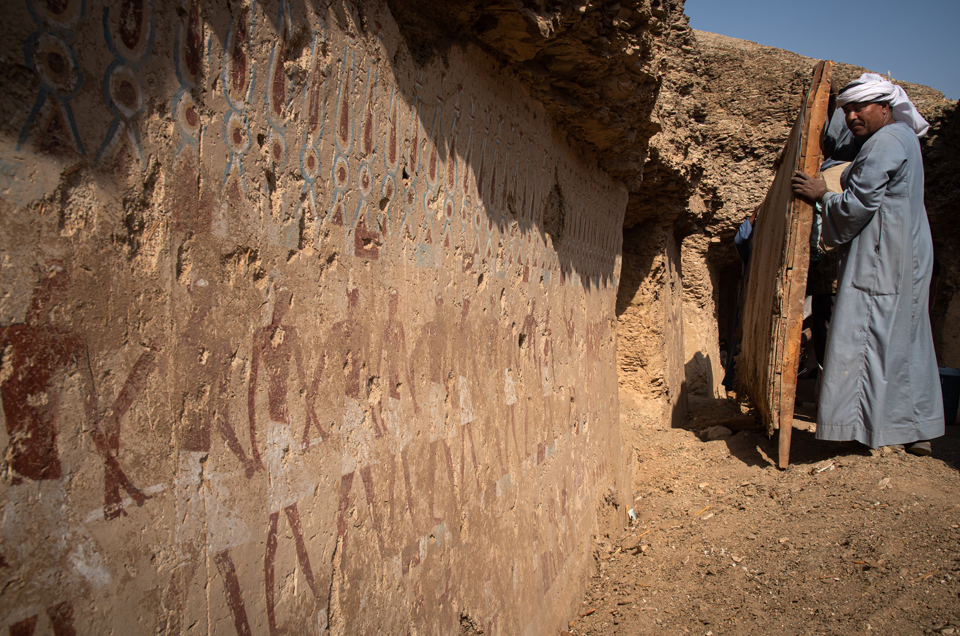
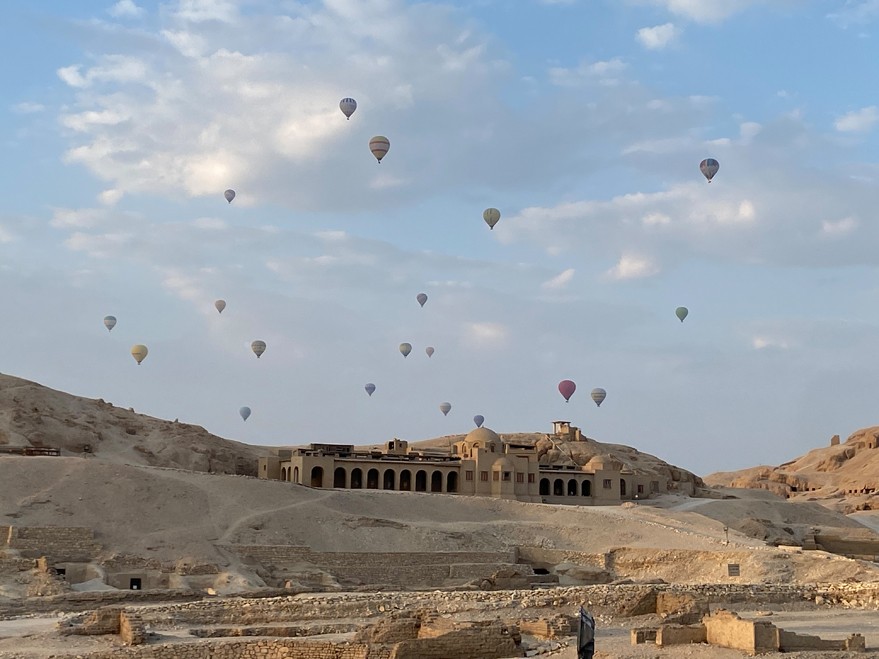
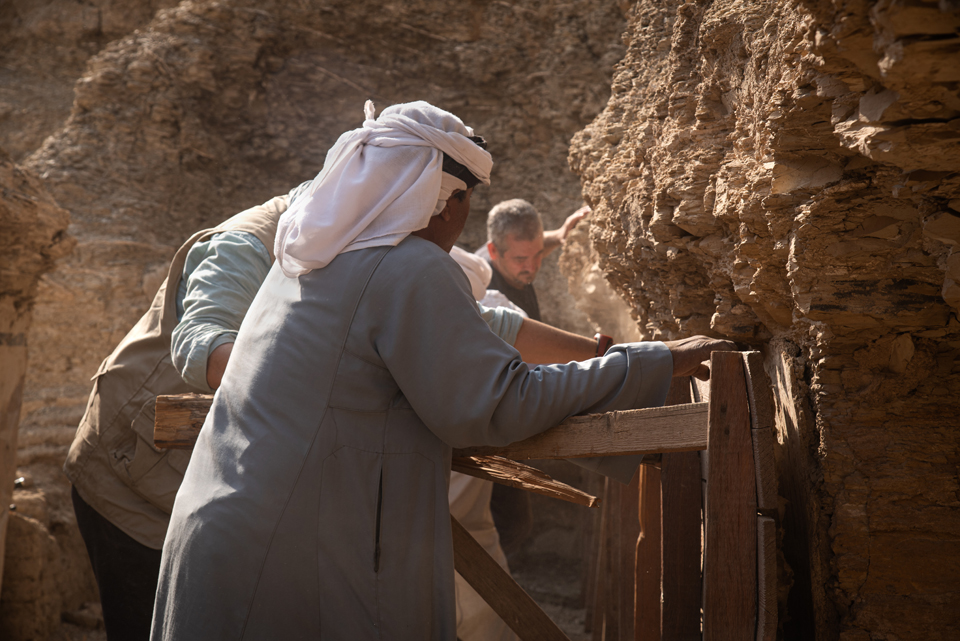
On our way from the Marsam Hotel to the site this morning, we were greeted by the colorful tourist balloons floating above the Metropolitan House, built on the hills of Qurnah in 1912. It was, in fact, the Met expedition led by Herbert Winlock that discovered and excavated this tomb. In their system, the tomb was designated as MMA 820. Today we completed the preliminary tasks in the tomb, and as of tomorrow we will begin working toward the core goals of the season. Rebekah dedicated her day to organizing the objects and searching for several objects Patricia needs to photograph. Meanwhile, Aran reviewed some of the structural and pictorial issues affecting the walls of the tomb. The rest of the team focused on removing the wooden panels that have protected the paintings of the transverse hall and the main corridor for years. The task was demanding, but we achieved our main objective—removing them without damaging the paintings—and allowed everyone present to admire their uniqueness, colors, and artistic brilliance.
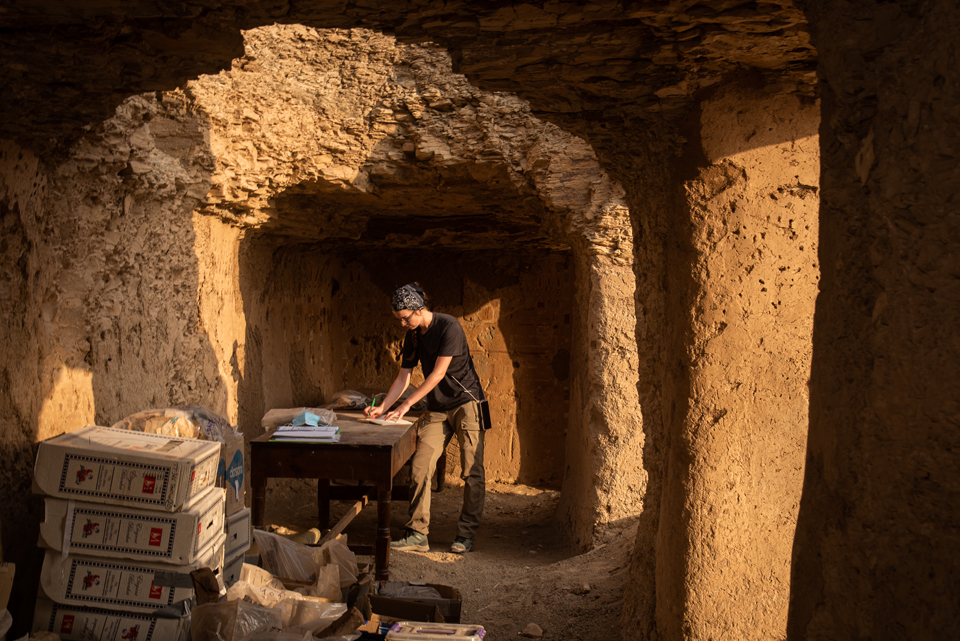
Stationed in the northern sector of the transverse hall, Rebekah continued her work with the inventory and objects. These days she is engaged in a tedious yet essential effort to correct the lists and update the database on our project server. In a couple of days, she will be transferred from her work area in Djari’s tomb to assist in cataloguing the fragments of the sarcophagus for the vizier Ipi in this other complex of the concession (TT 315). Ipi’s sarcophagus weighs nearly 12 tons, and the restoration and conservation process will begin with the removal of the smaller and medium-sized fragments that rest in position but are detached from the main piece.
Meanwhile, Aran has examined the walls and the condition of the mortars, plasters, and paintings. The paintings have experienced numerous changes and problems, and addressing their recovery and protection is a central task for the conservation team. Aran will analyze the paintings in detail to familiarize himself with the alterations and join the restoration efforts. Her work at this stage is focused on producing alteration maps for each of the scenes.
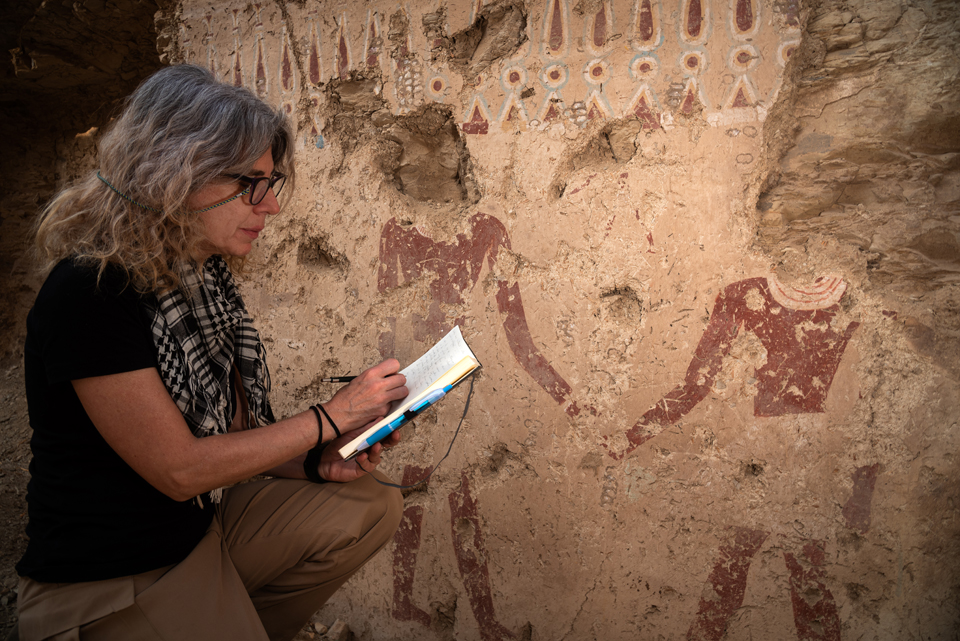
As for the removal of the wooden panels, it was a challenging task—not so much because of the complexity of the intervention but due to the delicacy of the paintings and the fragile state of the walls. Under the direction of the rais Ali and the watchful eye of the moudir, the panels were removed one by one with determination and efficiency, offering those who witnessed the operation the chance to admire an unparalleled iconographic program. Djari’s tomb (TT 366) preserves the earliest pictorial instance of the necropolis, a reflection of the society that lived in Thebes just before the reunification of the country.
The work of the Met expedition in the tomb of Djari was the last field project Winlock would direct in Egypt. The tomb was discovered in 1929 but was excavated during the 1930–1931 season, just as the American Egyptologist was attempting to complete his research on the early stage of the Middle Kingdom and preparing his return to the United States due to health concerns. This explains why, despite the beauty and uniqueness of the paintings, Winlock was unable to devote much attention to this discovery—which, 94 years later, is once again receiving the attention it deserves.