The team morale keeps high and the strong wish to start our fieldwork has not disappeared at all. It seems clear that all members are really enjoying every workshop session and practice, as well as the various visits organized for understanding some of the key elements in ancient Egyptian architecture, art, and culture. These visits to the monuments and sites of the Theban area allow senior specialists to offer brief talks and explanations in which they can provide more details in situ about the topics previously covered in our workshop sessions. Unfortunately, we have not yet received our permission, which would allow us to request consent to the authorities for visiting the Middle Kingdom sites in the area, as it will be the case with the Eleventh Dynasty cemetery of El-Tarif, which we hope to see soon.
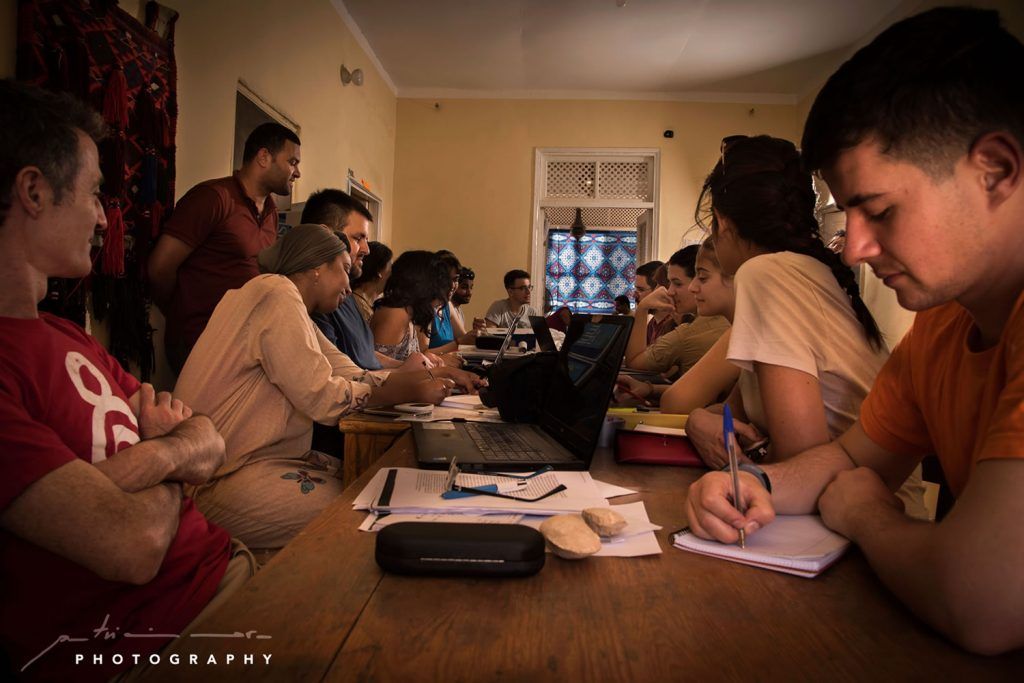
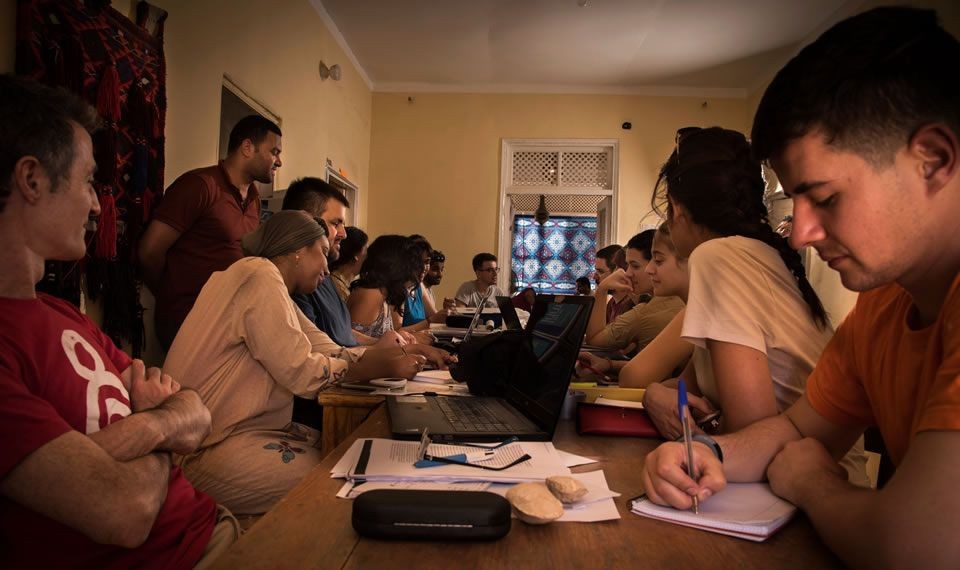
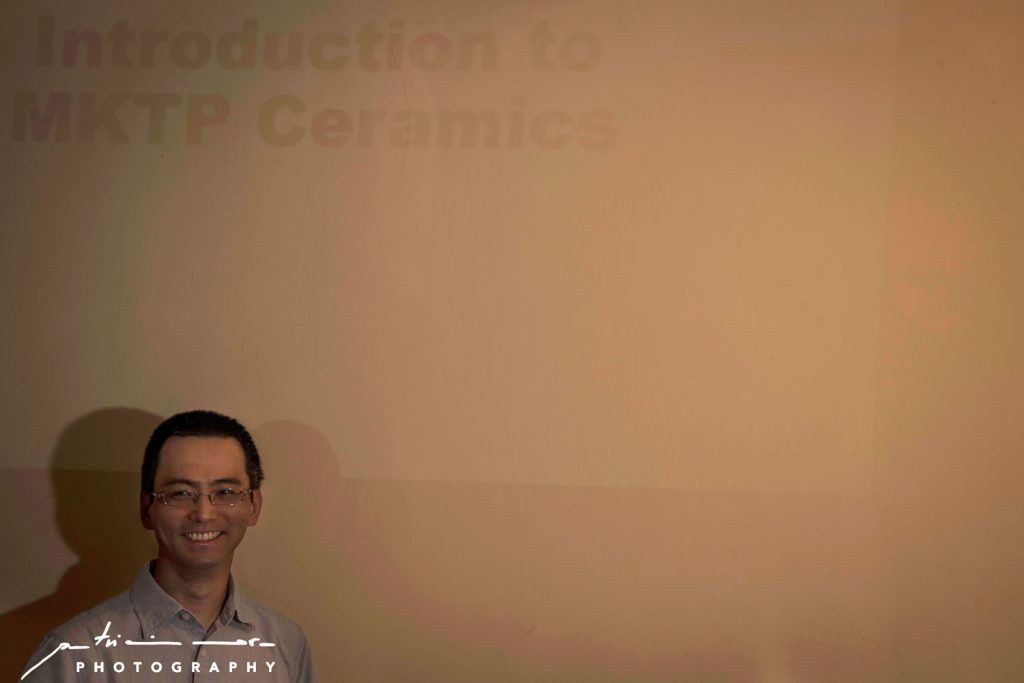
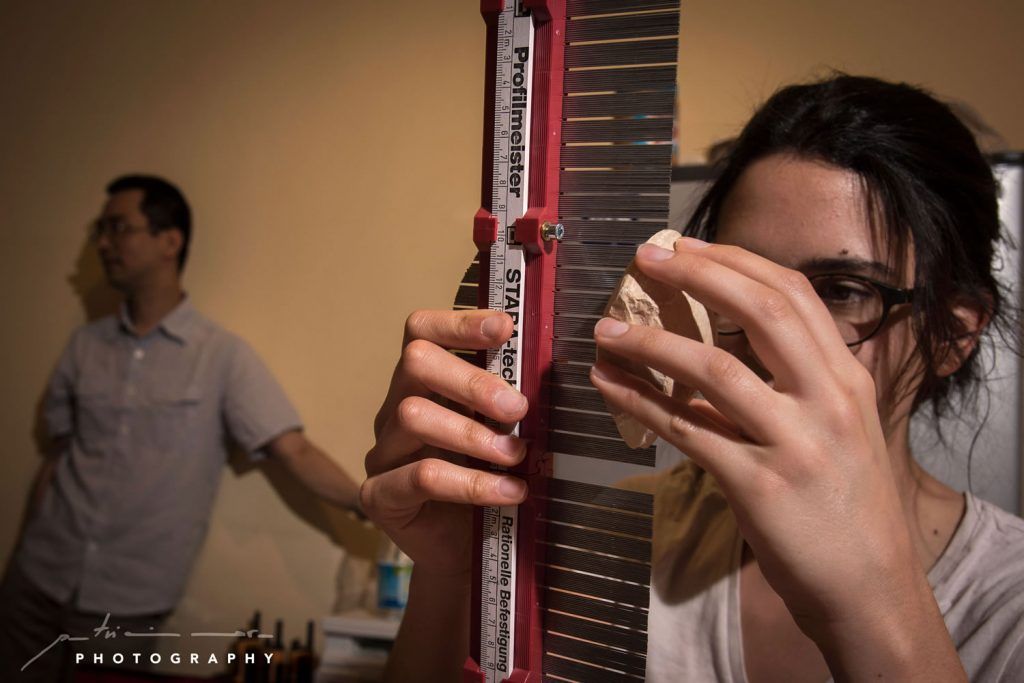
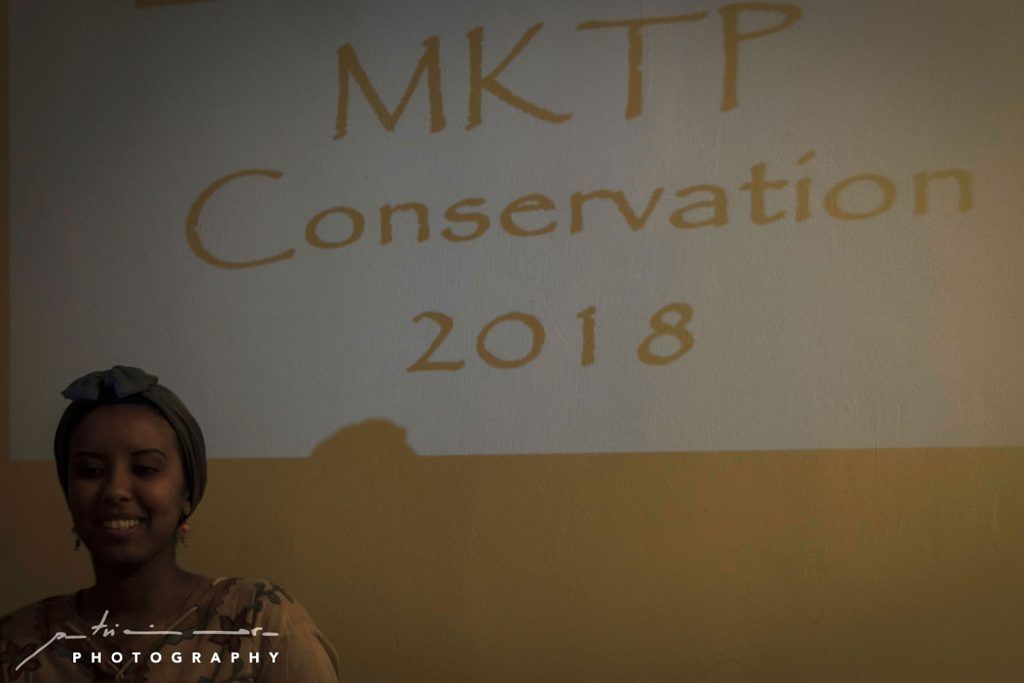
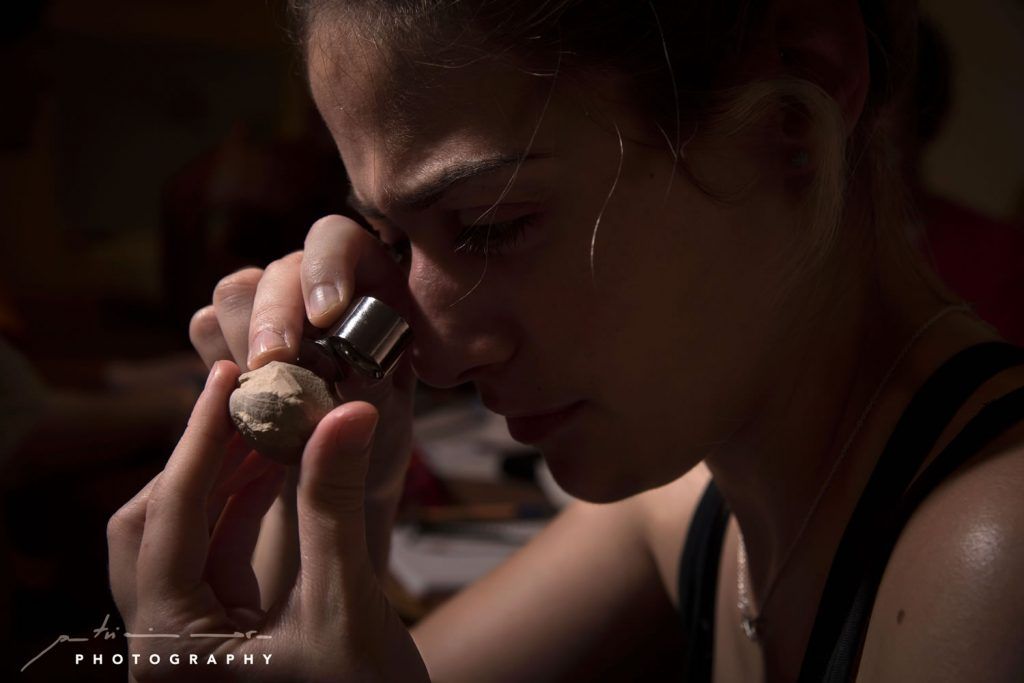
Today we got two workshop sessions, one dealing with ceramic typology, mainly focusing on the types and diagnostic features for the repertoires of the Middle Kingdom, and another one focused on the main methods and problems of the conservation work conducted at the site. Kei Yamamoto offered an excellent talk on ceramic types, including some practical notes on how to draw, represent, and understand ceramics. Later in the afternoon, our conservators Ahmed Tarek and Rawda Abdelhady have finely explained some of the most common conservation methods applied by conservators in an archaeological site, both with organic and inorganic materials.
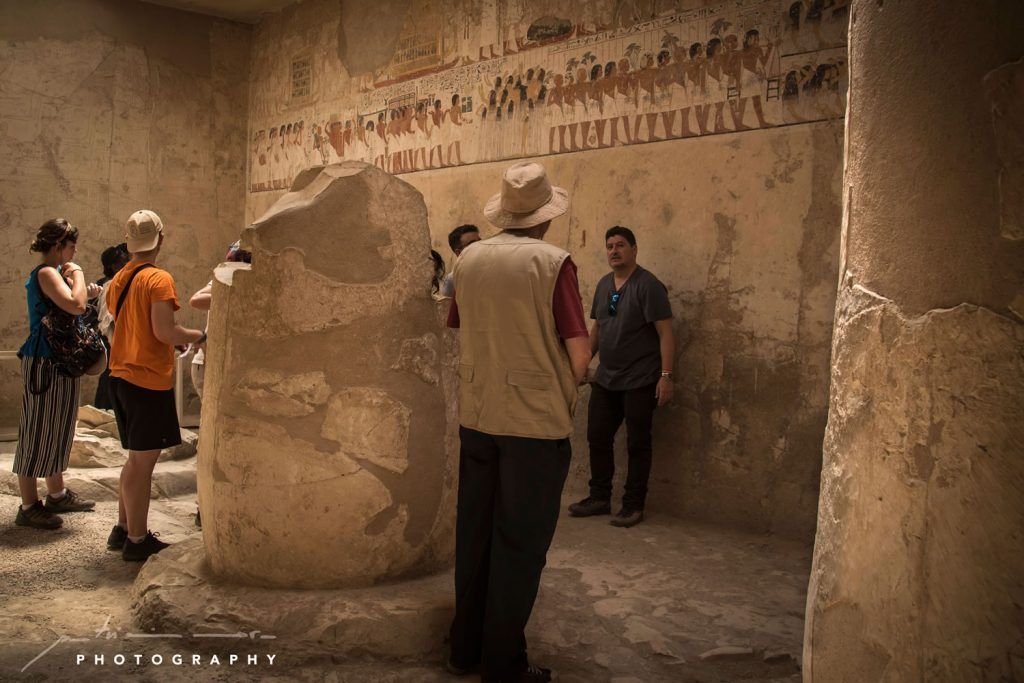
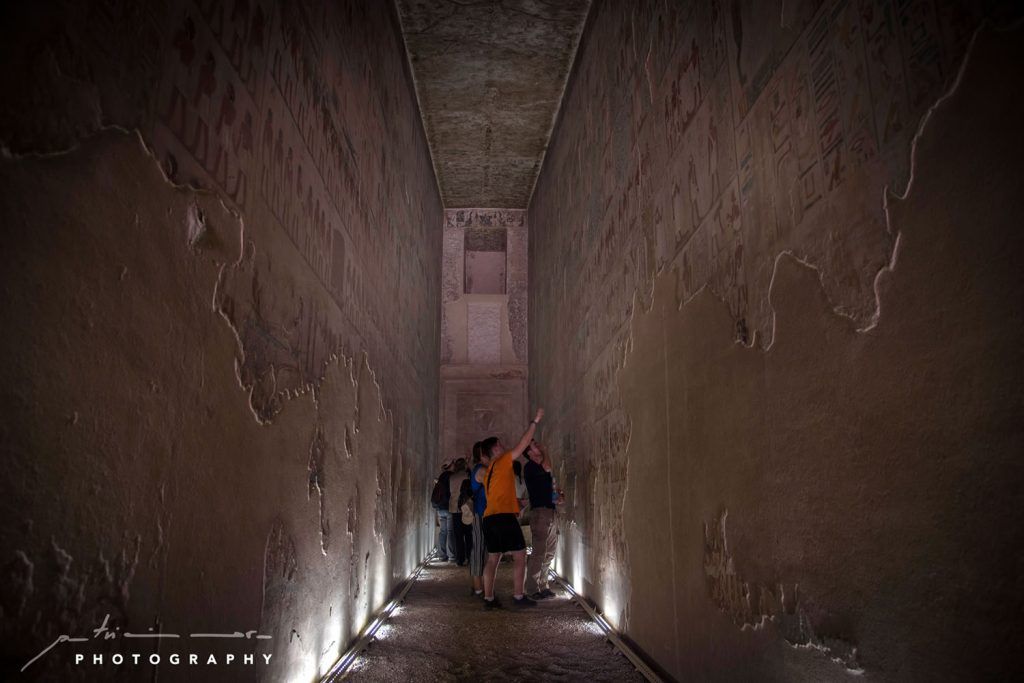
Besides, today we have visited several tombs in the area of Sheikh El-Qurna and Dra Abu el-Naga, mainly to see the main types of tomb architecture (comparing, for instance, the classical model of inverted-T shape with the earlier saff-tombs). The youngest members were really impressed by the evolution of decorative styles in the tomb of Ramose (TT 55), with refined paintings from the time of Amenhotep III and the later reliefs devoted to the king Akhenaton and prepared already under Amarna influence; our students also enjoyed the architecture of Rekhmire´s tomb (TT 100), with inverted-T shape, a niche with false door, and one of the richest decorations associated to ritual practivces, including a series of stages of the “opening of the mouth” ritual represented in these walls.
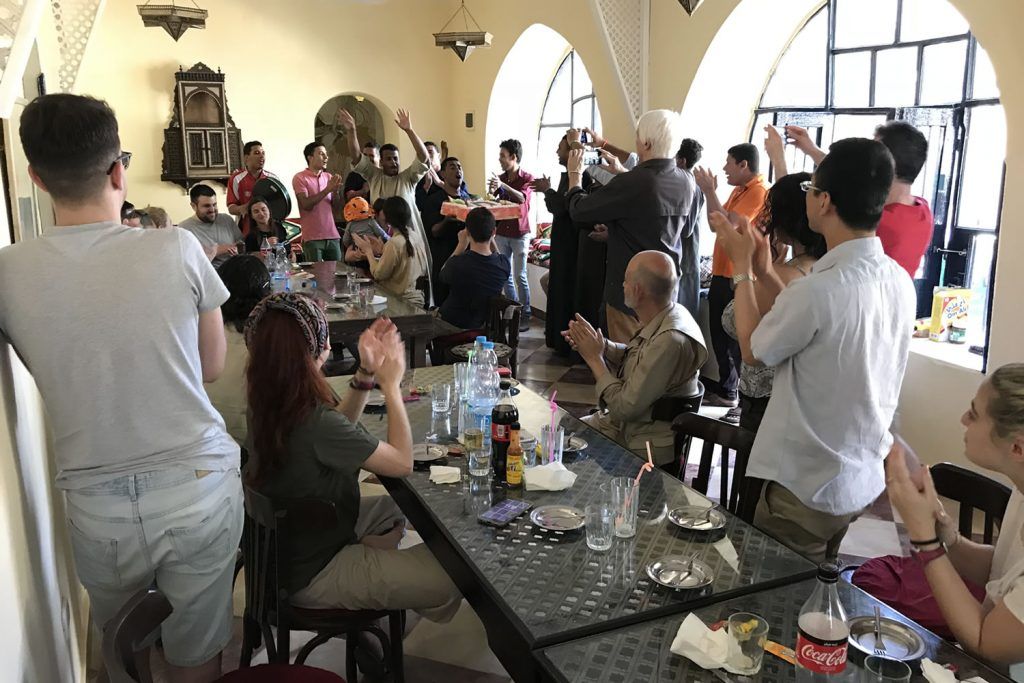
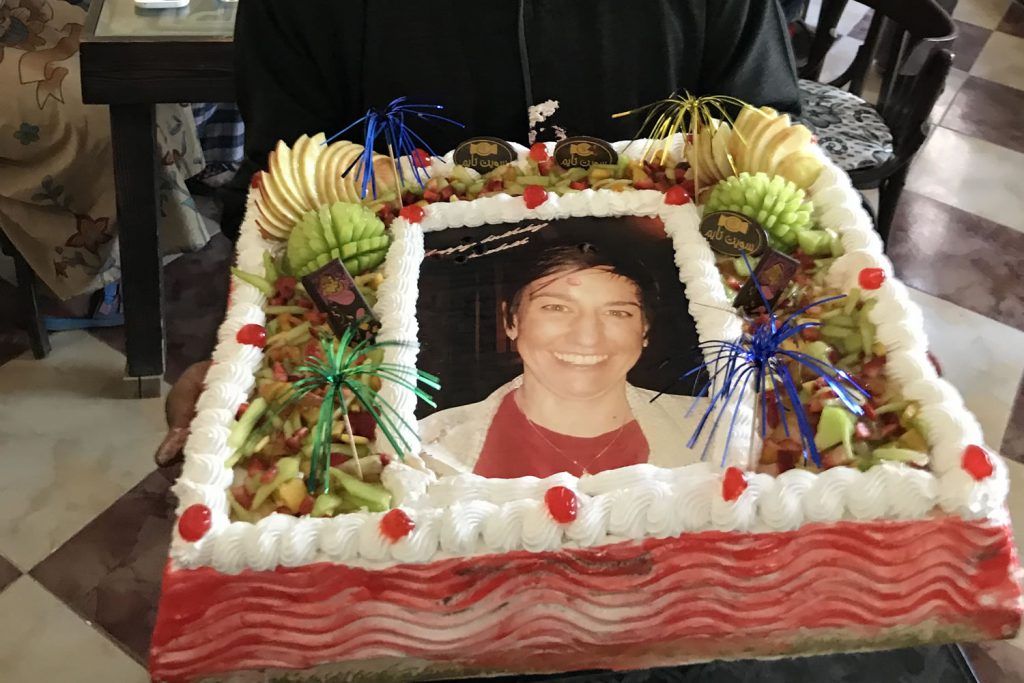
Finally, we have had a special celebration today because of the birthday of one of our members, Lisa Kruck, for whom we have brought a birthday cake while the staff at the Marsam have offered songs, dancing, laughs, and their best wishes for her. These instants, detached from the intense hard work and scientific research we do here, remind us –as ancient Egyptians aimed to do in their tombs richly decorated with everyday life scenes– that little moments, steps, and decisions are a fundamental part of our existence in the world. In the name of the whole MKTP team, “Happy Birthday, Lisa!”