The end of the week is here and we have not yet received our security clearance to start our season, which means that we cannot really initiate our fieldwork. We are willing to start with the excavation duties and continue working on the preparation of new plans and the consideration of other ways to buy time until Tuesday, when we hope that the Ministry of Antiquities will inform us of the arrival of our permission.
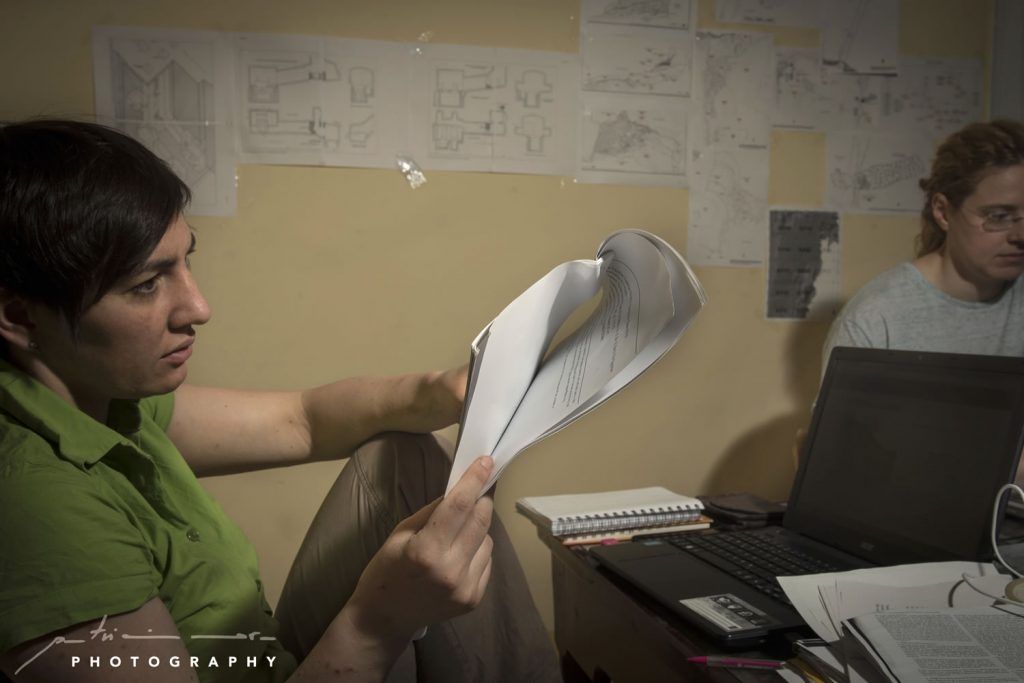
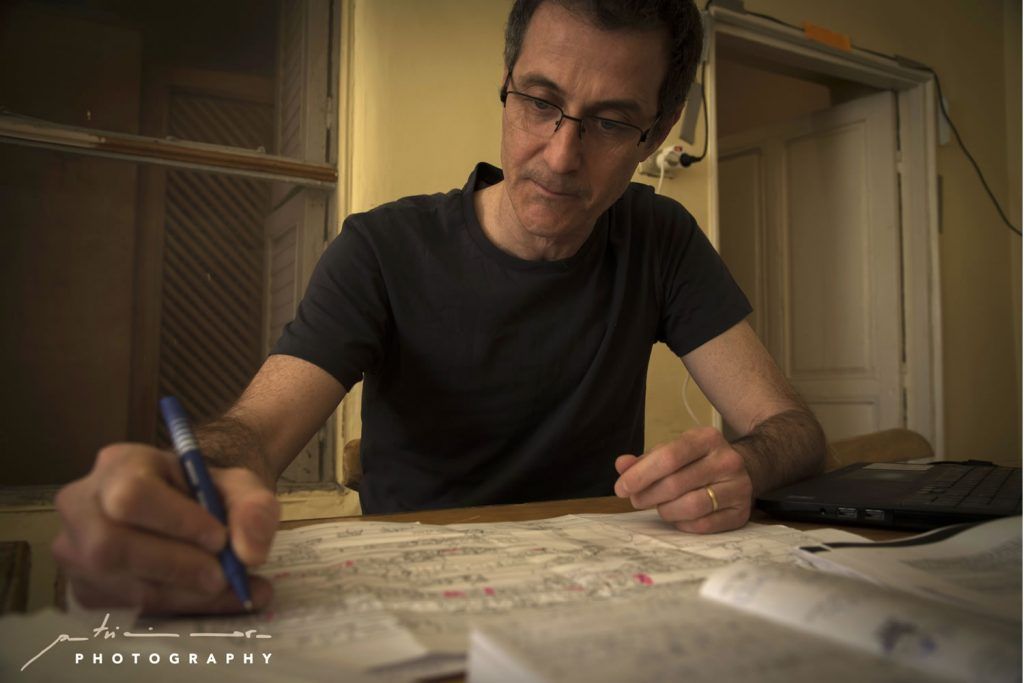
In the morning, there has been much activity in our headquarters in the Marsam. On the one hand, we have organized a series of workshops that will allow us to share knowledge and prepare our fieldwork: use of total station, typology of Middle Kingdom ceramics, epigraphy in stelae and tombs in the complexes of Deir el-Bahari, basic conservation techniques, etc. Besides, we have reviewed the calendar for the next days to define the work to be done in the three sectors of our interest (Henenu, Ipi, and East) and, thus, to achieve better results. We have organized multiple meetings and study groups to examine the targets and main work processes so that we will be able to reach our goals even in a shorter period of time. With a bit of luck, next week we will get the permissions and will modify our daily schedule to make sure we get some extra hours per week to make up for the lost time.
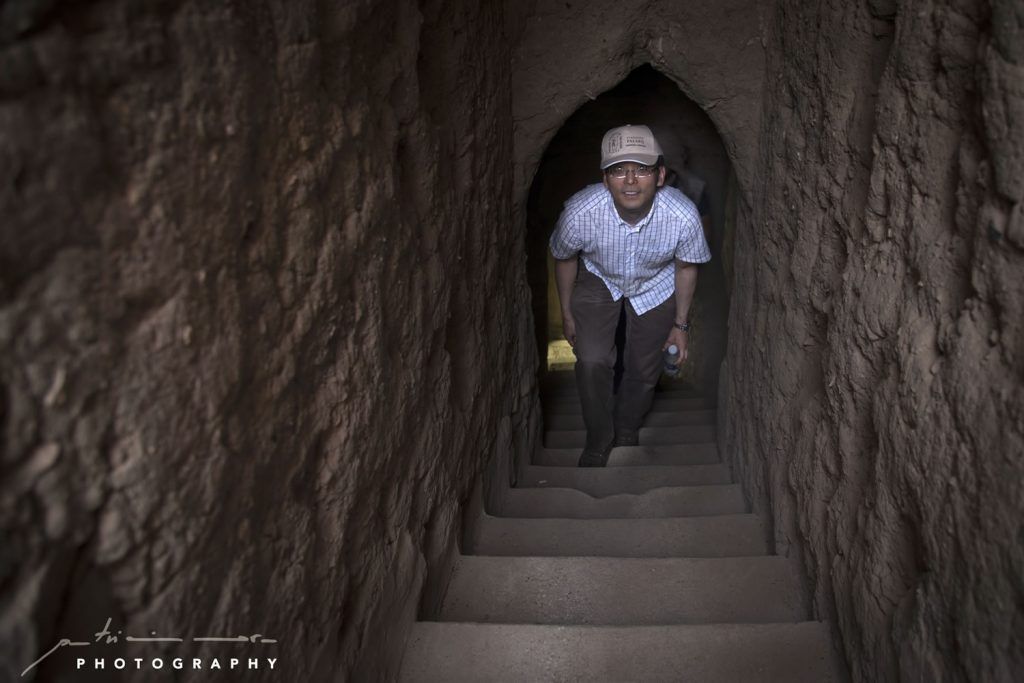
Aside of preparing various workshops, everyone has participated in several visits to nearby monuments. These visits allow us to discuss multiple aspects of the archaeology, architecture, inscriptions and decorations that might be of interest for our daily work in the Middle Kingdom tombs of our concession. In addition, we should not forget that every year this expedition incorporates several students from the UAH. A particular aim of this experience is to offer them some training and a rich experience in the field. The new students arriving usually receive some more attention, explanations, and guidance to make sure that they learn and enjoy the experience. Without any doubt, their passion, willingness, and skills constitute a significant support for our adventure as a team.
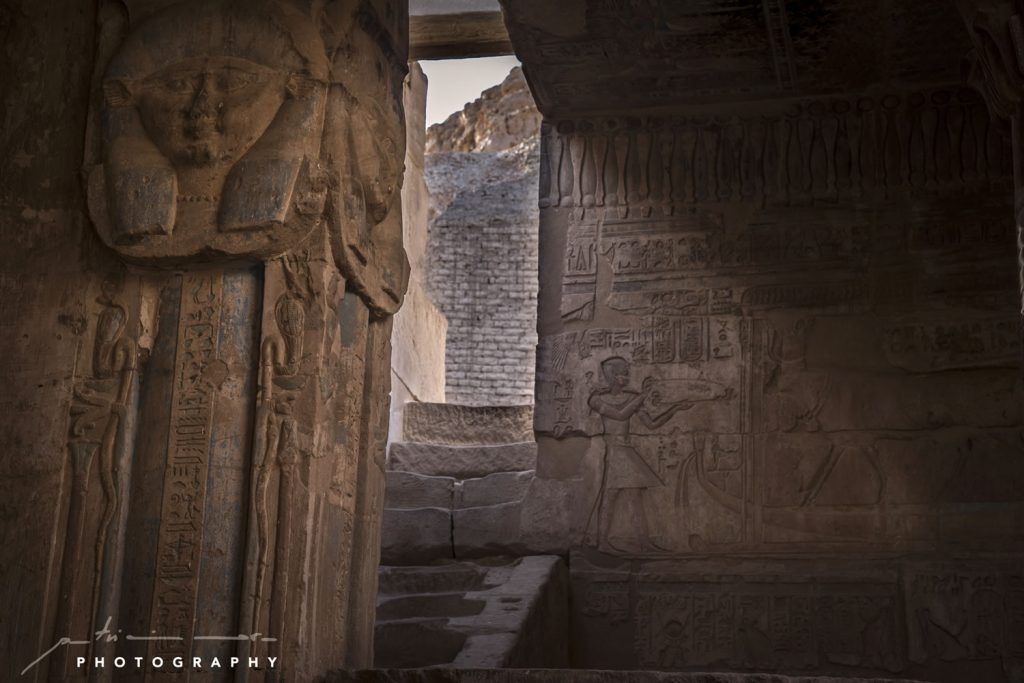
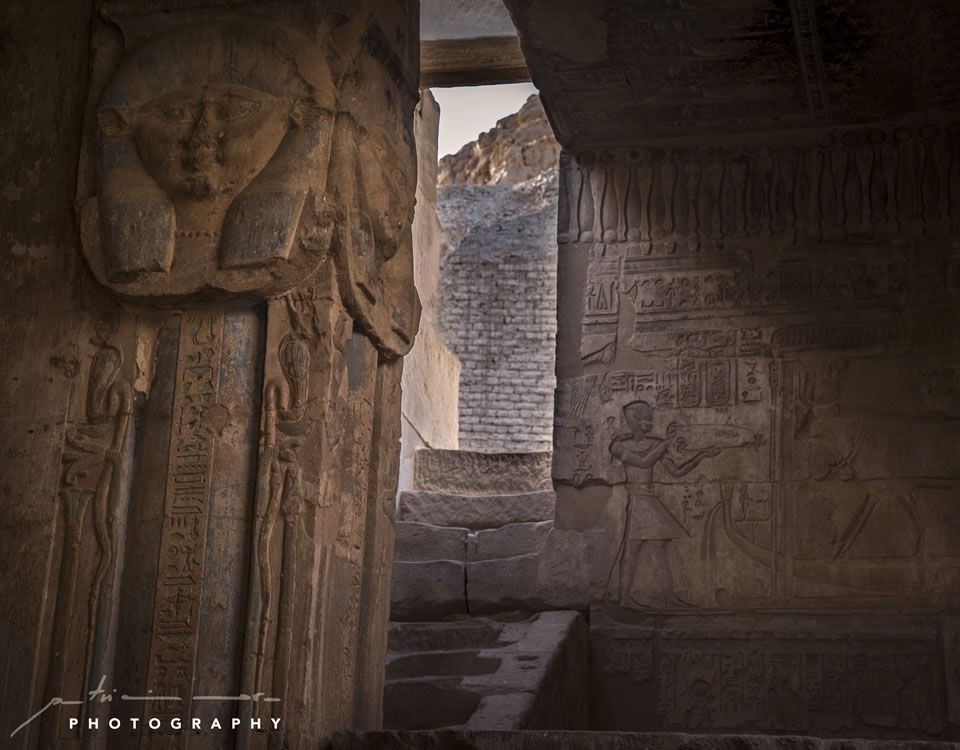
In the afternoon, we visited the city of craftmen in Deir el-Medina, where we enjoyed the elegance of several tombs, including the tomb of Pashedu. Between admiration and discussions, we have examined many of the scenes and texts in these monuments, which are so intricate, colorful, and richly decorated with afterlife and divine motifs. Besides, we visited the nearby temple built in Ptolemaic times and went into the wadi where –according to some scholars– one can find the unfinished funerary temple of Amenemhat I, who in the first years of his reign moved the capital and royal necropolis to Lisht. We also visited the tombs of the famous official Meketre and his associated Wah, of whom we know a large collection of objects at the Metropolitan Museum of Art in New York, one of our more important institutional colleagues in terms of research, archives, and documentation for the Middle Kingdom Theban tombs.
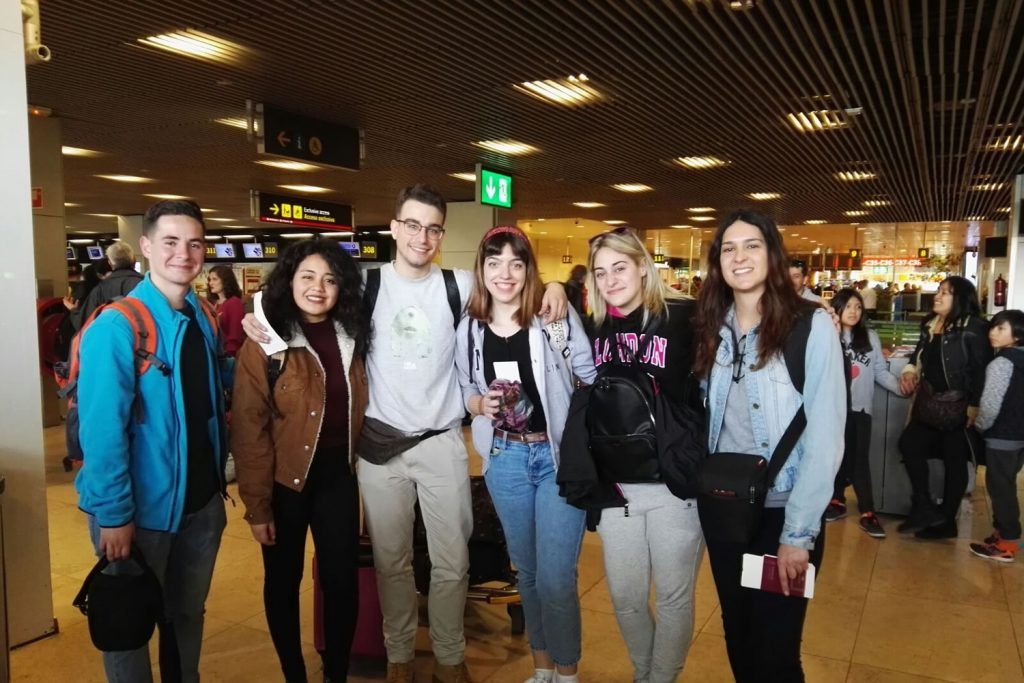
At the end of the day we picked up six new members of the team, five students of the UAH who are going to receive an intensive training (Carmen, Daniel, Dela, Óscar and Sofía), and the expert on 3D laser scan, Inma López. We hope that all of them will get into the group easily, considering that we are modifying some of our plans to make sure we can achieve the new challenges in a shorter time span.