This year, one of the ramifications of working in the Asasif sector is that the situation allows us to face very different problems from the ones we experienced in the complexes of Henenu (TT 313) and Ipi (TT 315) in the northern hill of Deir el-Bahari.

In opposition to the considerable courtyards and the multiplicity of subsidiary chambers as found in the complexes of Henenu and Ipi, the tombs of Djari and Dagi welcome the visitors with a local architecture based on a very characteristic saff façade, a smaller courtyard, and colorful paintings imbued with significant symbolism. An example of the mythological meaning of these scenes is the presence of a sycomore fig tree loaded with figs that some men tried to collect –scene attested in both tombs–, which tells us about the patron goddess of the necropolis in this area, Hathor.

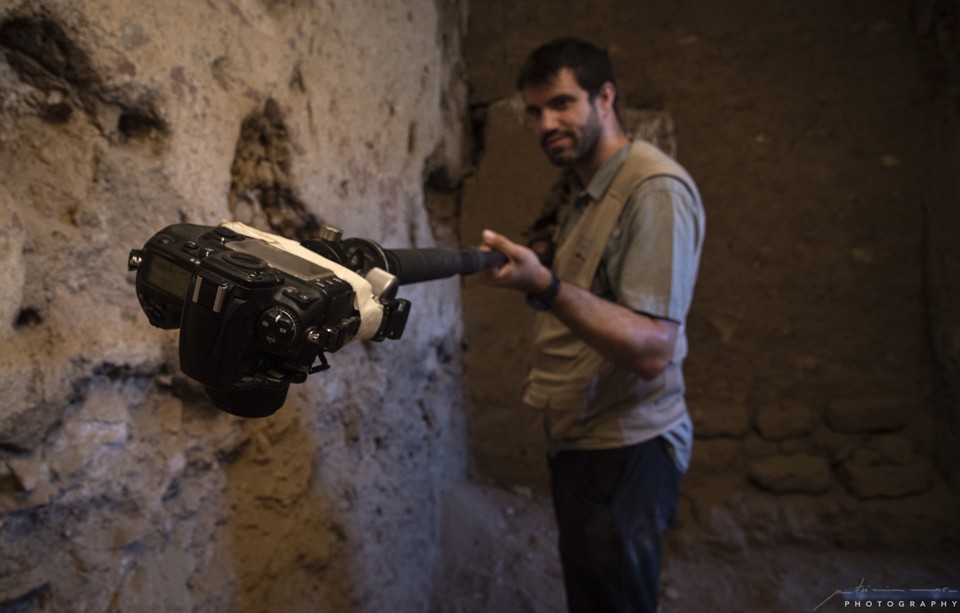
Another situation posed by the current season work is the presence of archaeological remains that expand from the reign of Mentuhotep II (beginning of the second milennium BCE) to the time of the followers of St Epiphanius of Thebes (s. VI AD). The types of analysis, documentation, and interpretations required by structures of mudbrick and stone bound over the centuries is really demanding. Thus, our team of archaeologists face these convoluted contexts, structures, and findings with good discussions, much observation, and the application of the most suitable methods and techniques. That is the reason why it is normal to see that we move from discussing the finalization of the cleaning in the southern slope to the interpretation of the accummulation of various levels and strata from Coptic times over the Middle Kingdom remains of Dagi.

Regarding the conservation team, now that we have initiated the cleaning of the transversal corridors it is critical that the conservators work hand in hand with our archaeologists. On the one hand, we just got a new member: Jaume Vilaró.

The first task for the conservation team was testing materials to cover the exposed wall paintings prior to the cleaning that will start in the corridor in the next few days. They tried out two different fabrics which will keep dust from settling on the paintings. They also received the first delivery of local materials they will use to begin testing recipes for repair mortars – with the help of Rais Ali and the workmen they began slaking crushed limestone, which they will investigate as a possible binding material.

In the case of Dagi’s monument, the conservation team continued to assist with the documentation of the wall painting fragments at Dagi, which has allowed them to begin prioritizing certain objects for treatment. This can be due to the fragility of the fragment, but also if they display especially important features which may help them reconstruct the decorative scheme in the future. Examining the fragments has also allowed them to understand some of the conservation challenges they will be facing, and they have started preparing several adhesives to test for the consolidation of the friable plaster layers.


