In Egypt, today is a special day and everyone has holidays. It is the day of Sham el-Nesim or “festival of spring”. However, the MKTP team cannot delay a moment longer: we have continued with our workshop sessions, pending the trip of our moudir to Cairo, where, with a bit of luck, he will be able to pick up the security clearance tomorrow. Since the Ministry of Antiquities has been several days closed because of holidays, we hope that in the meantime the security clearance permission has been received and we will be able to start working this week allahtool (in Arabic, “right away”). These would be great news and would mean that we can initiate our work immediately.

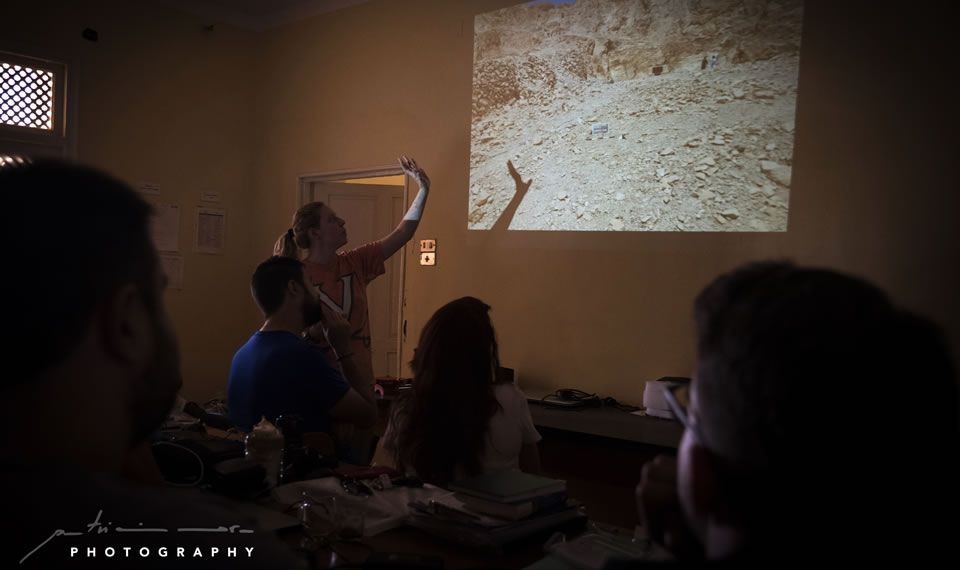
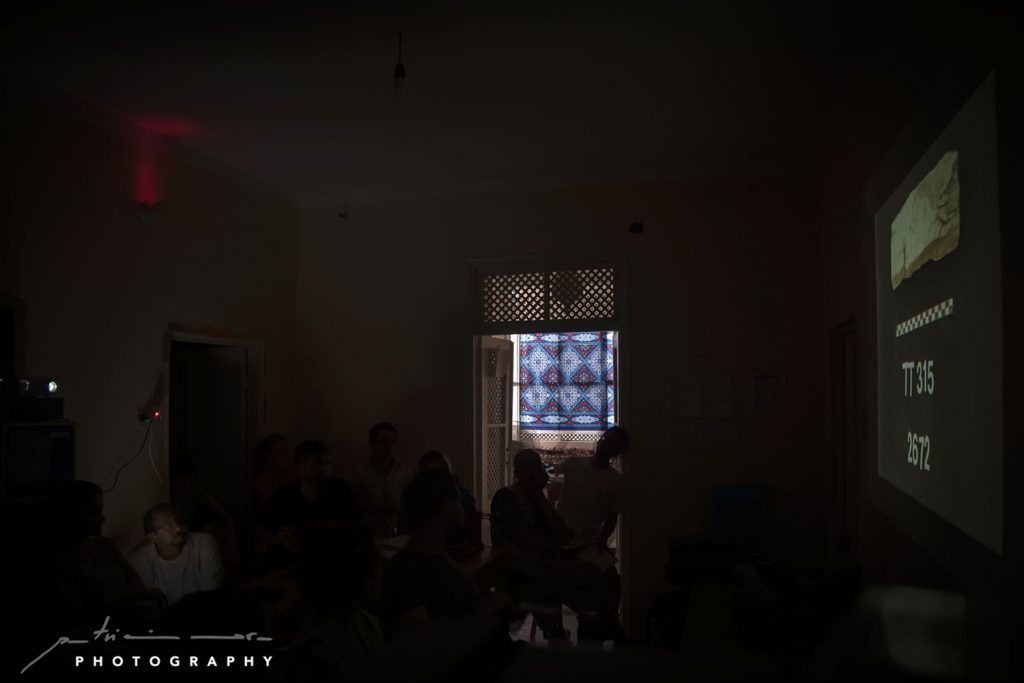
Today´s sessions have focused on the presentation of the results from previous seasons in the monuments of Henenu (TT 313) and Ipi (TT 315). In addition, we have been discussing the final plans and goals of this season, which is going to be shorter than expected, so that everyone can know well his/her role and contribution to make this fourth season a success at the end. Sometimes, some people (from the general public) consider a season to be successful only when there are significant discoveries in it. However, this is not the case and in many occasions our research progress and the collection of new data is enough to take a new step in the comprehension of a site, monument, or period. In the first session, Kelly Accetta, head of the excavations at the tomb of Henenu, has explained the previous works conducted in this tomb, pointing out the convoluted architecture of the tomb, with seven shafts, and the continuous discovery of relief fragments from stelae and sarcophagi from the inner section of the tomb. In the afternoon, Mohamed Osman, archaeological head at Ipi´s tomb, has done the same with tomb TT 315, the tomb that belongs to this vizier of the first half of Amenemhat I. In his presentation, Mohamed has underlined last year´s discovery of the mummification deposit and the work to be done this season in relation to such a discovery.
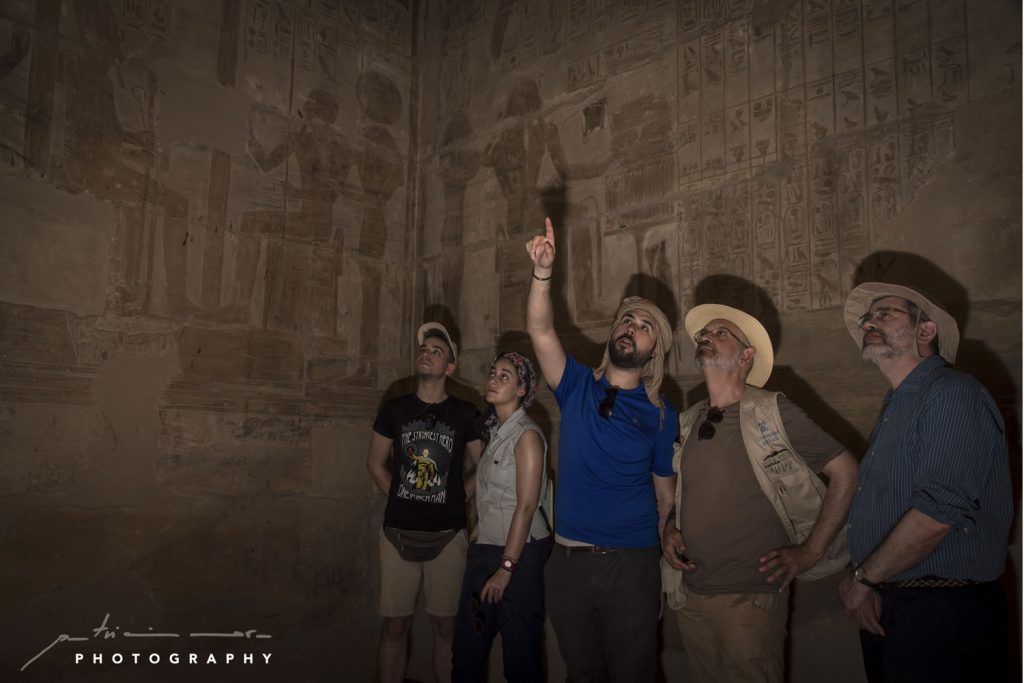
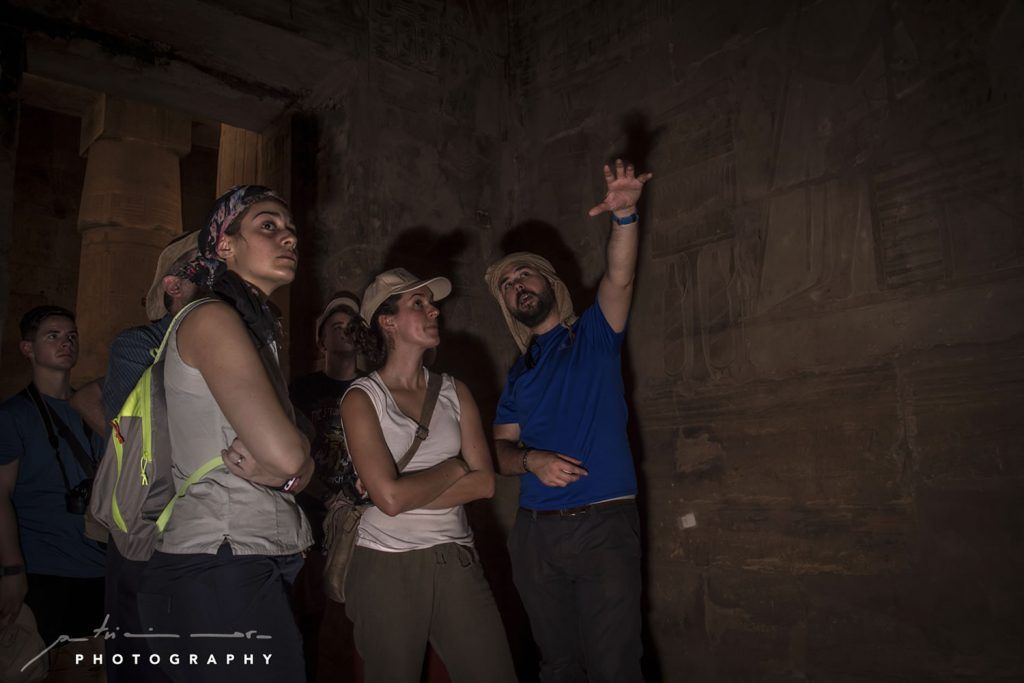
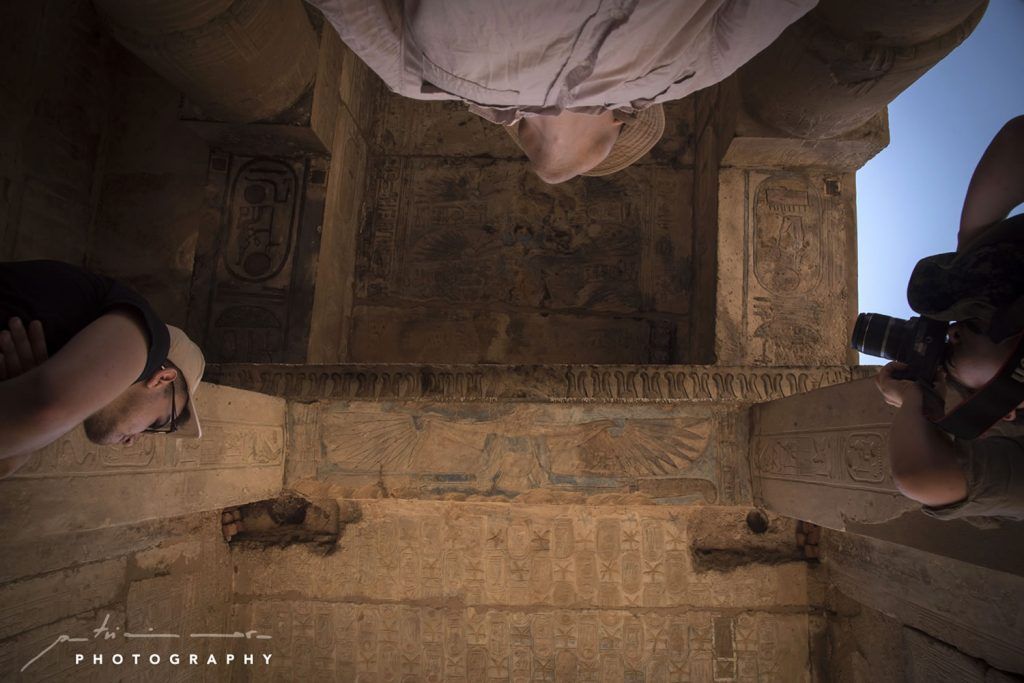
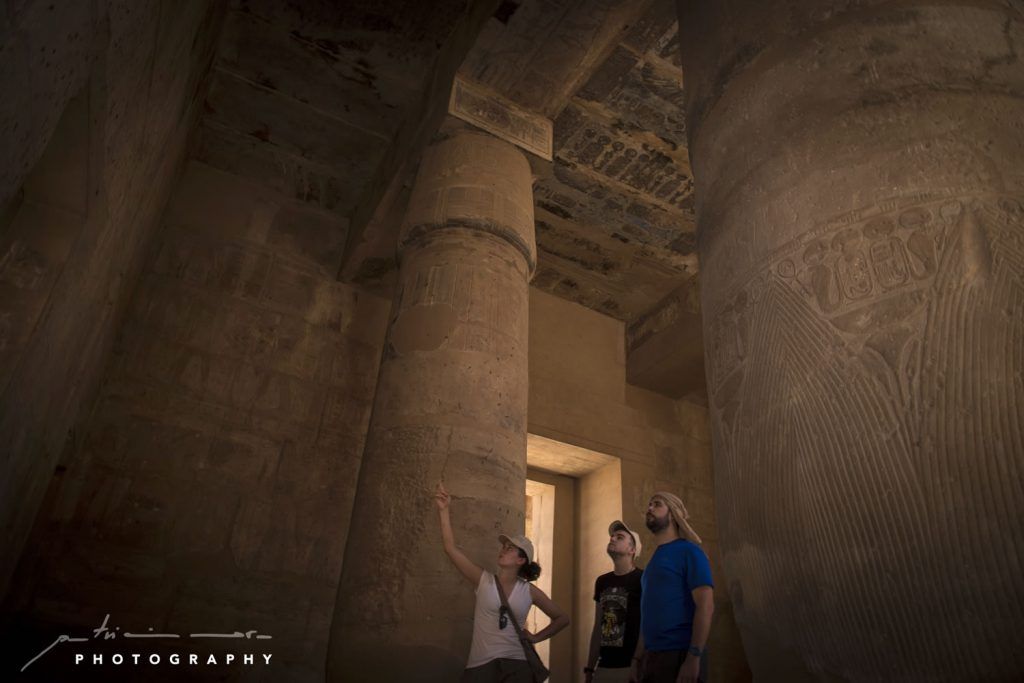
Today we have visited the mortuary temple of Seti I at Thebes. The group has enjoyed very much with the examining and commenting on its decorative program, especially if one considers that the building was completed by the famous king Ramses II and he decided to include a chapel devoted to his grandfather, Ramses I. In the afternoon, a large group of members went to Luxor since we needed to do some purchases, prepare some materials, and take a deserved break in the day of Sham el-Nesim.