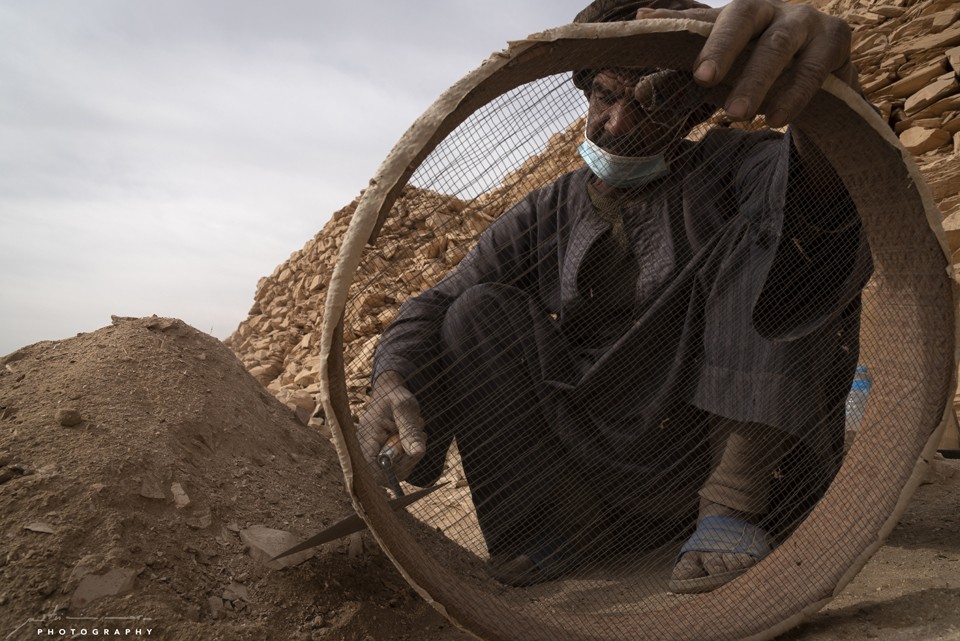
The days are passing quickly at the site. There are only two weeks left until the end of the campaign and we still have a lot of work ahead of us. But as we always say, archaeology requires patience in order to document every step we take.
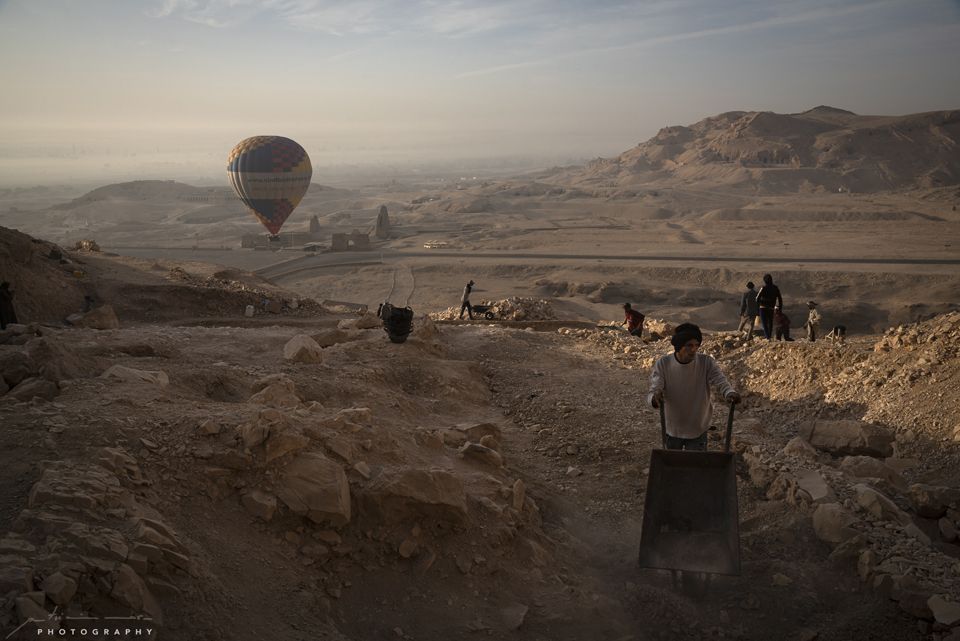
The tomb of Henenu has been completely cleaned today. Iria has recorded the last materials that have appeared, and if all goes well, tomorrow the excavation of the courtyard will begin.
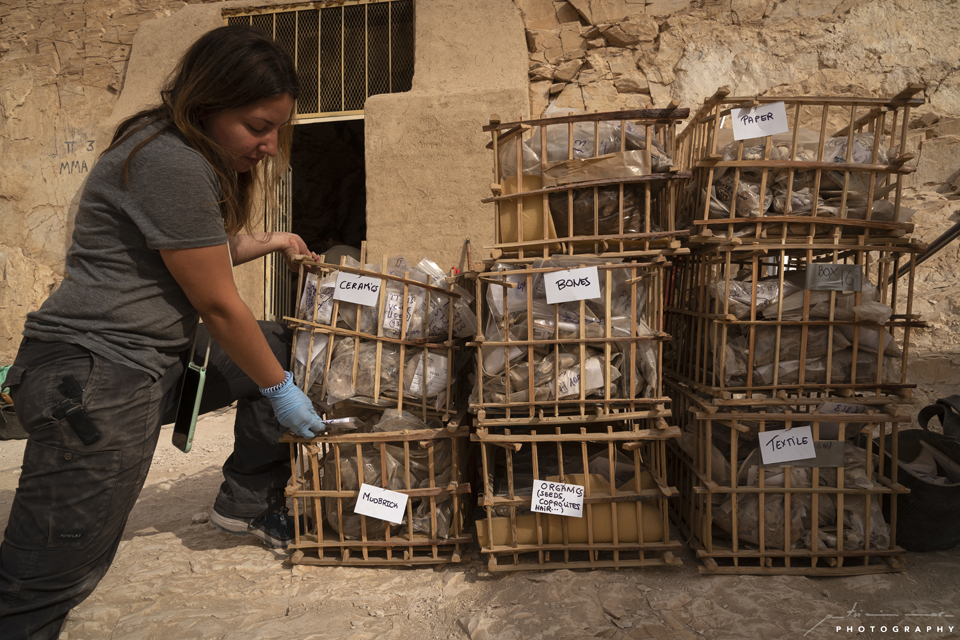
At the tomb of Ipi all efforts are now focused on the excavation of the subsidiary chamber. Several objects of interest have been found today, including a fragment of painted wood, ceramics, a ruminant head and a large fragment of what appears to be mummified skin with the remains of the coxal bone attached. Forensic anthropologists have identified the individual as an adult male and have continued with the analysis of the mummies found in previous campaigns.
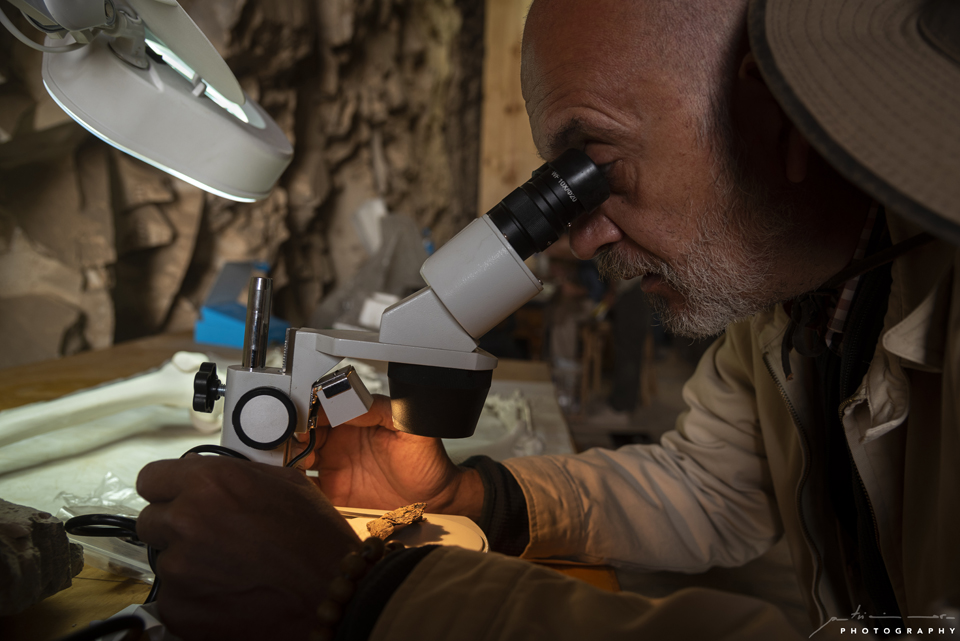
Bea continues to record the materials and today spent part of the morning analysing, photographing and taking notes on the adobe pieces that are appearing in the chamber
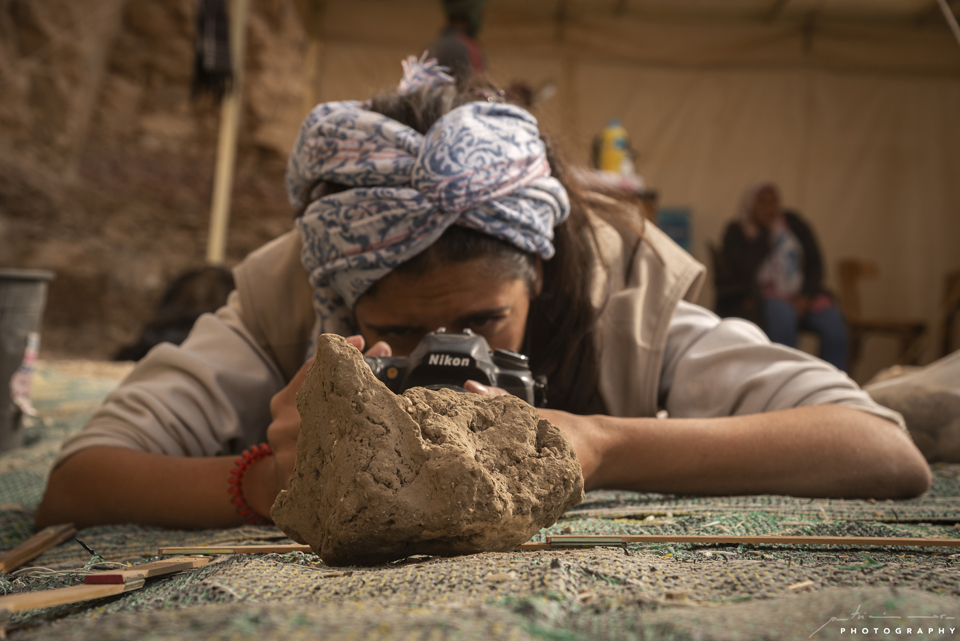
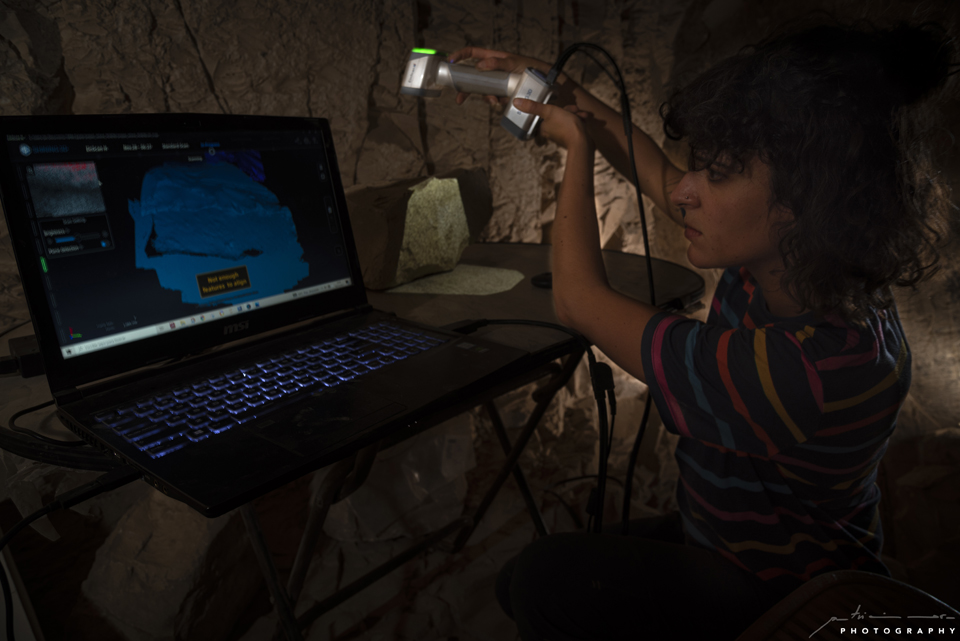
On the other hand, Inma has spent her last day at the site carrying out colour and 3D scans of some of the most significant jars in the mummification deposit, such as those with traces of charcoal or other notable stains. She also had time to visit Henenu’s tomb and scan more inscribed fragments.
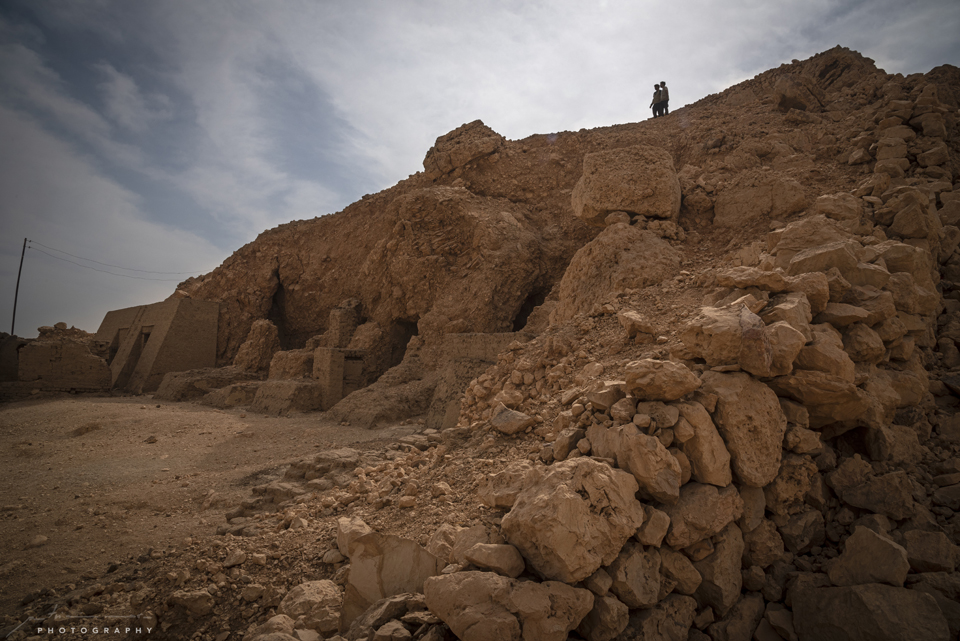
Today, Sergio and Dani joined the conservation team on their visit to Dagi to begin the photogrammetry of the tomb. In order to develop a good epigraphic work it is necessary to produce photogrammetric models of the walls with preserved paintings, especially the west section of the cross wall. This is our second major objective in this tomb during the 2021 season.
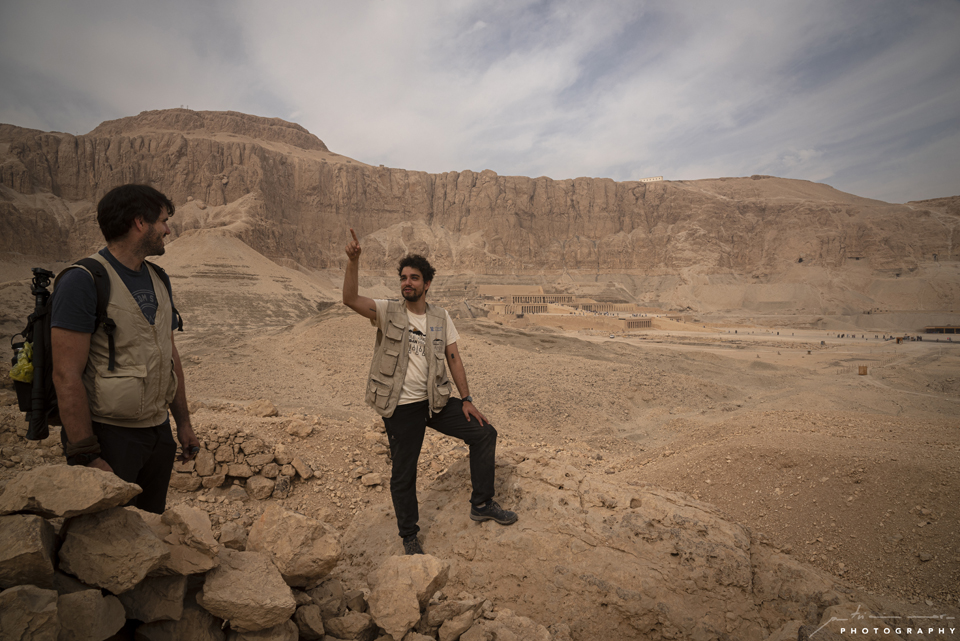
At E1, Raúl and Sergio have continued with the documentation of the tomb thanks to the total station, giving it absolute coordinates. The excavation is progressing at a good pace and today we have been able to confirm that the wall that was found at the beginning of the chamber continues to the end, dividing it into two halves.
In the afternoon, the conservation team together with Patri, Sergio, Daniel and Antonio went to the Luxor Museum to meet with its director. The MKTP has received funding from the Ministry of Science and Innovation to install an exhibit replicating the embalming cachette at the museum. This first meeting served to begin discussing the methods of transport and packaging of the different objects. Daniel and Sergio have been taking measurements of the spaces where the exhibit will be set up and Patri has taken all the necessary photographs. One of our main objectives is to bring all our work to the general public and although lectures, journals and articles are all well and good, we believe there is no better way to bring the mummification deposit closer to the general public than by displaying the objects. We will keep you updated about the development of the exhibit and hope you will like the final result. We are committed to working very hard to make the exhibition as rigorous and educational as possible, and are excited for this oportunity!


