portada_DSC2088-2

Days of dust, nights of fire

The work on the site seems to be doubling at times. It is often the case that, when the end of the campaign is in sight, the number of tasks only increases.
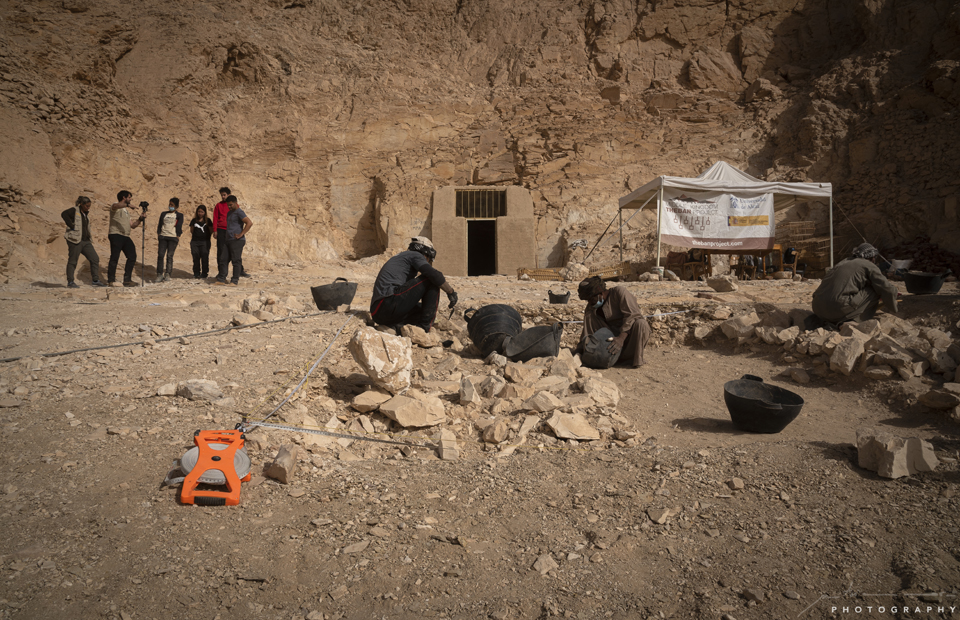
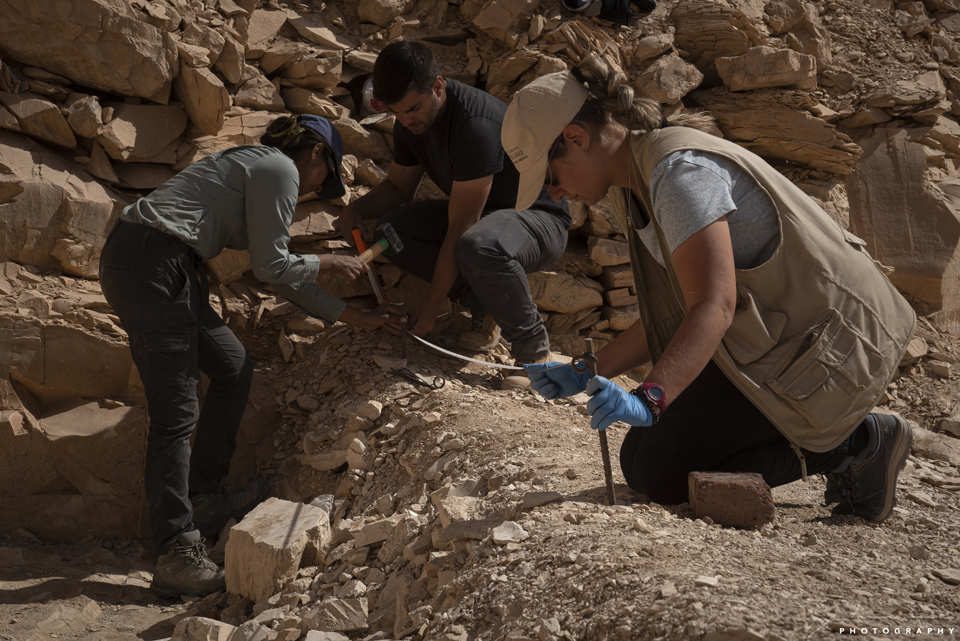
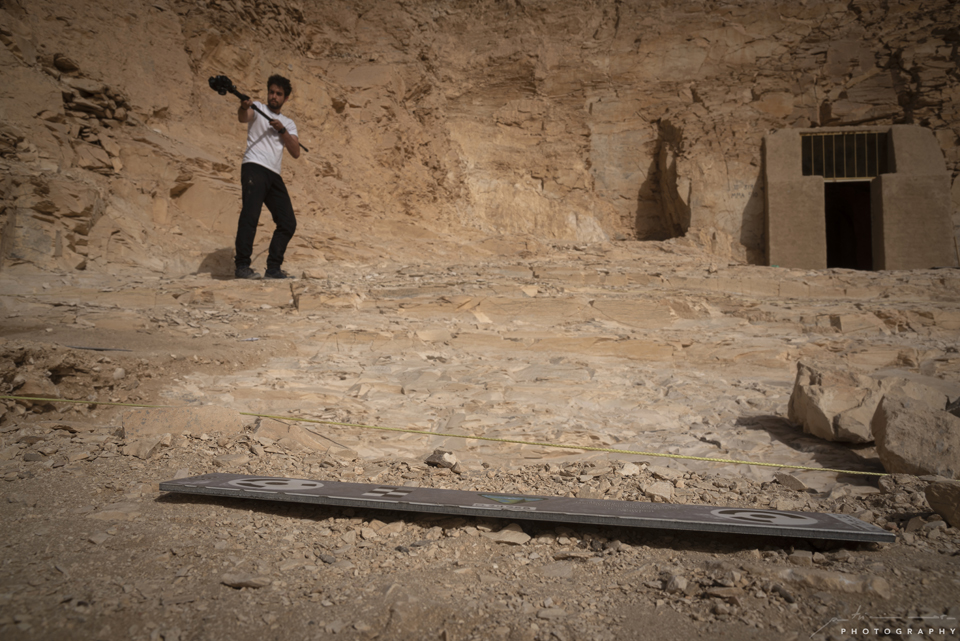
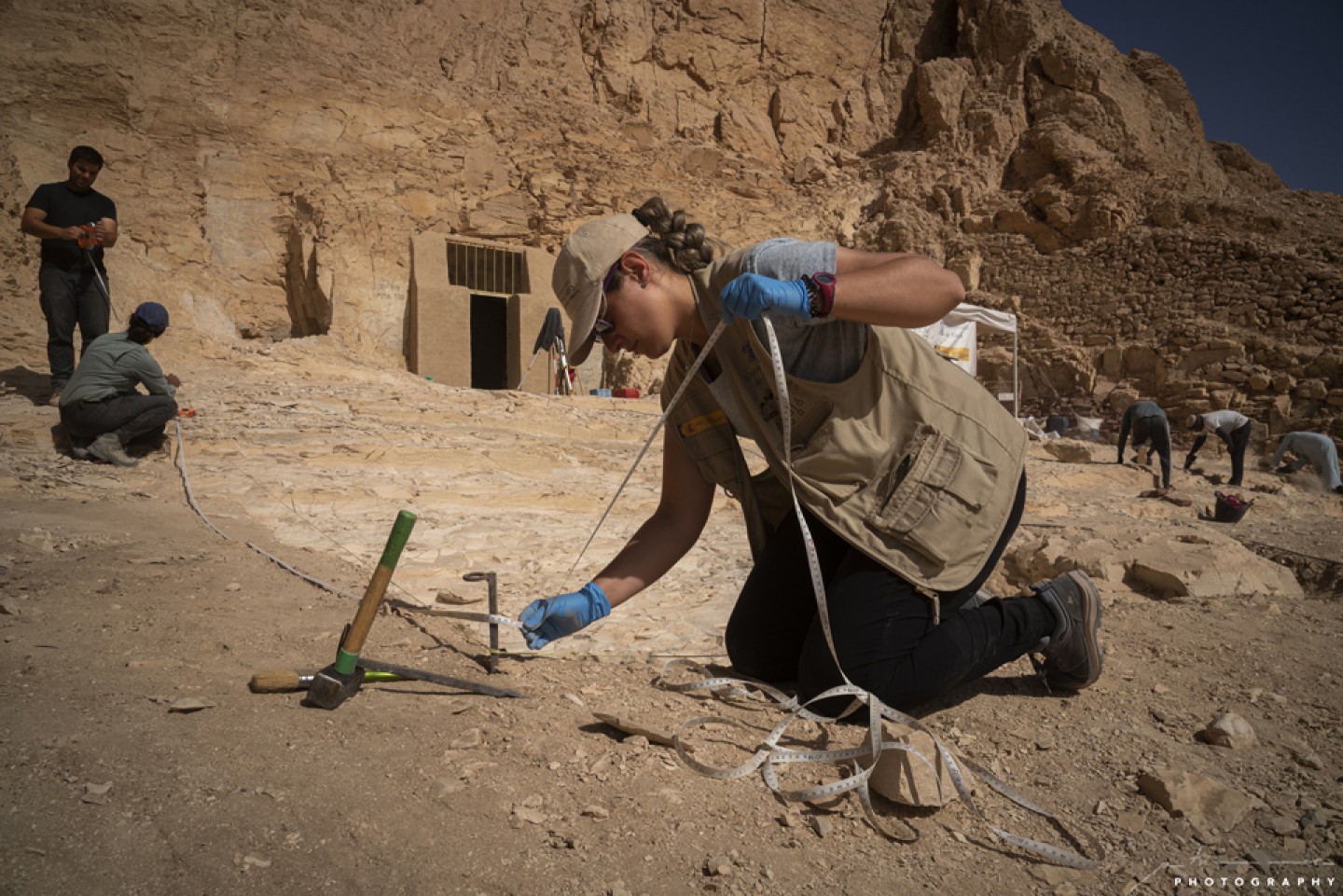
This morning at the tomb of Henenu, Sergio explained some basic notions of photogrammetry to part of the team. Daniel demonstrated the technique in the part of the courtyard that we began to excavate yesterday. Meanwhile, once the first grids to be excavated had been defined, the workers have begun to remove the first layers of soil.
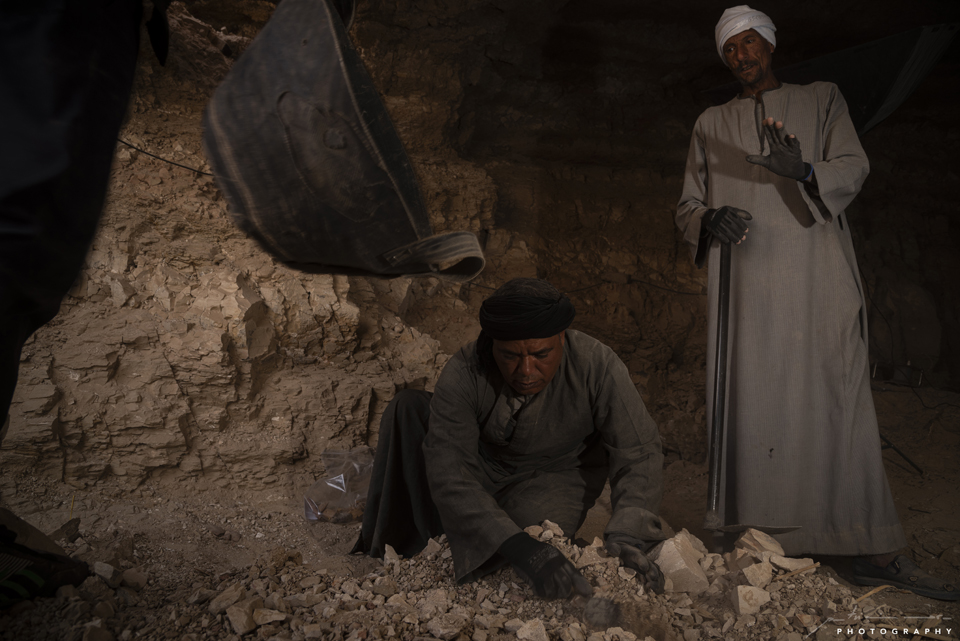
At Ipi’s tomb, excavation of the subsidiary chamber has continued. We can now confirm that the chamber was divided into two distinct spaces and that it is much larger than we thought. We have the remains of a funerary shaft that was started but never finished, and very close by we have found more human remains and ceramic fragments.
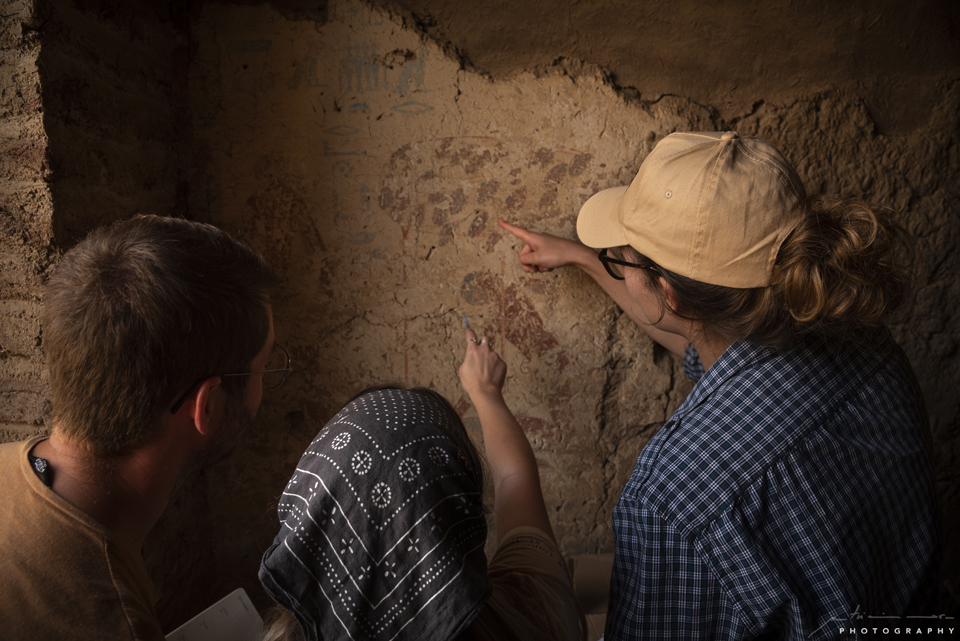
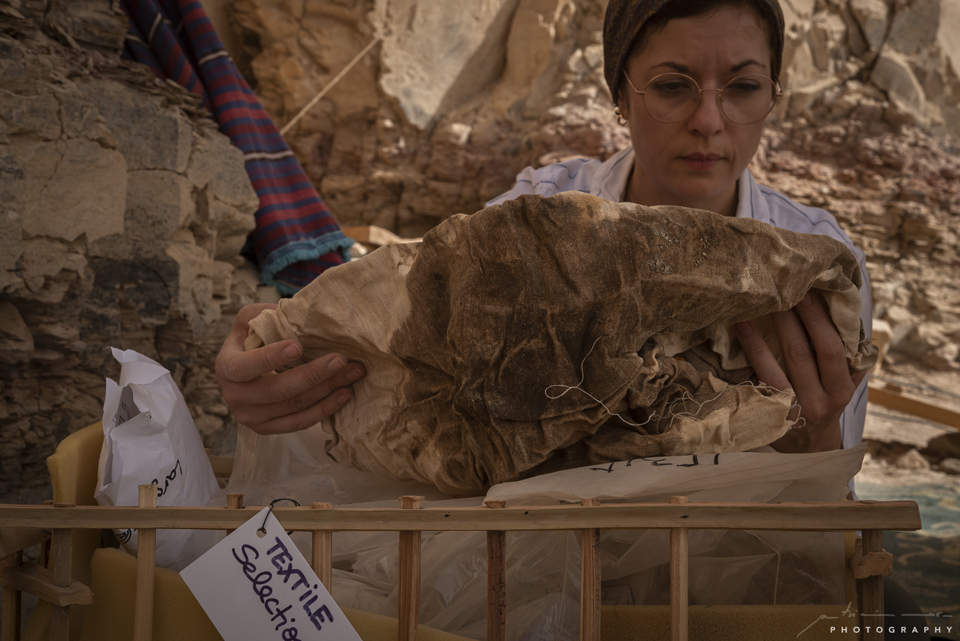
Elsa has already finished analysing the most important textiles that we extracted from the mummification deposit and has started with others found in very close contexts. For their part, Manuel and Enrique have focused today on the analysis of several bags of human bones that were found in the 2018 season.
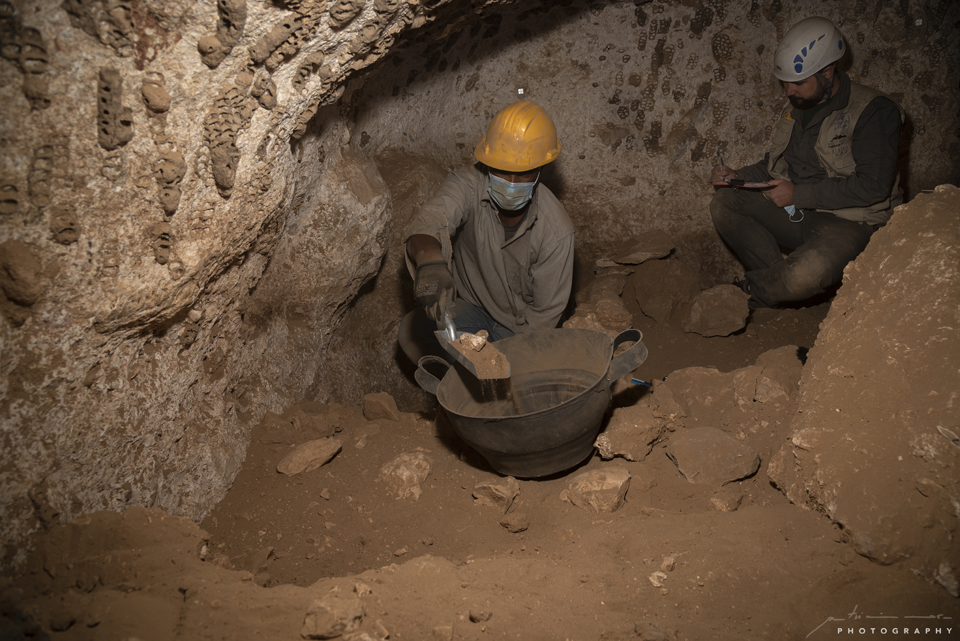
In E1, Raúl continues to document the stratigraphy of the tomb. The amount of sand and stones which have filled the chamber slows down the work. However, the excavation is progressing at a good pace despite the fact that a large rock, which we have christened “Marisa”, hinders the process.
In the afternoon, some members of the team went to Luxor on a very different plan than usual. David and Jaume went to get their hair cut, but in the “Egyptian” way. There were not only scissors and clippers involved, but also thread and fire. This country never ceases to surprise us and offer us all kinds of experiences.
portada_DSC1740

Henenu enters the scene!

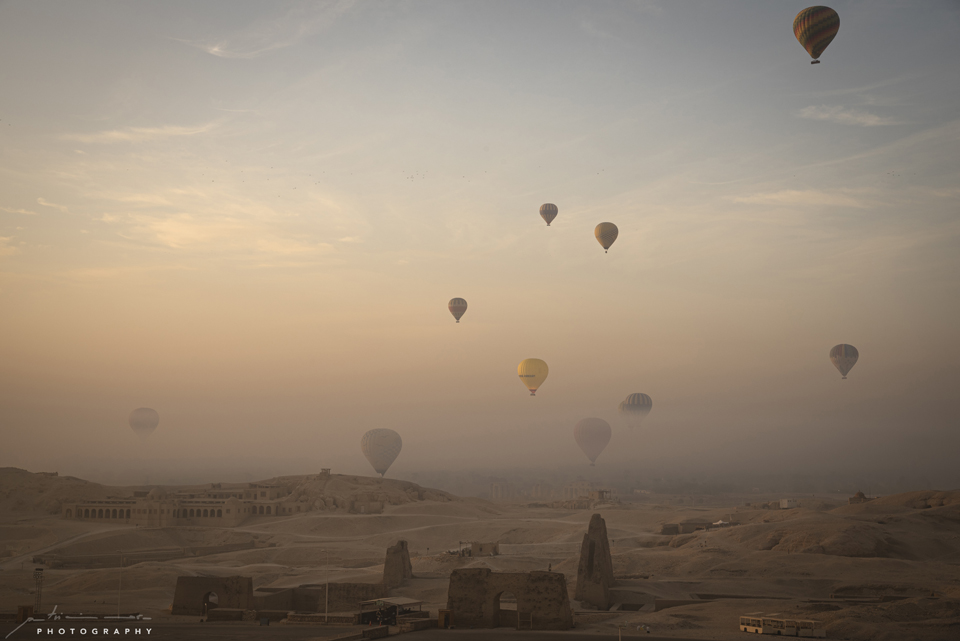
The day dawned with hardly any wind, unlike the last few days. This allowed the hot air balloons to fly over Deir el-Bahari and gave us a break from the heat, making work more comfortable.

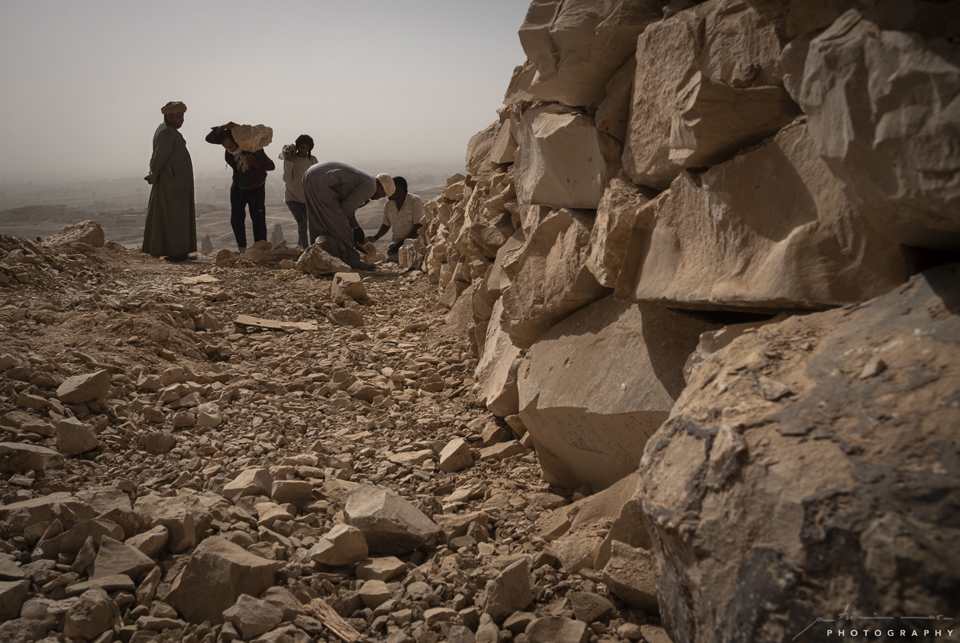
The excavation of the courtyard of Henenu began today. Nisha has moved to this tomb to lead the excavation with David. Carmen also continues to work at Henenu’s tomb, recording materials together with Iria and drawing shabtis and other significant pieces. The main objective of this season is to excavate the upper and middle part of the courtyard, in order to better understand the different phases of occupation of the complex.

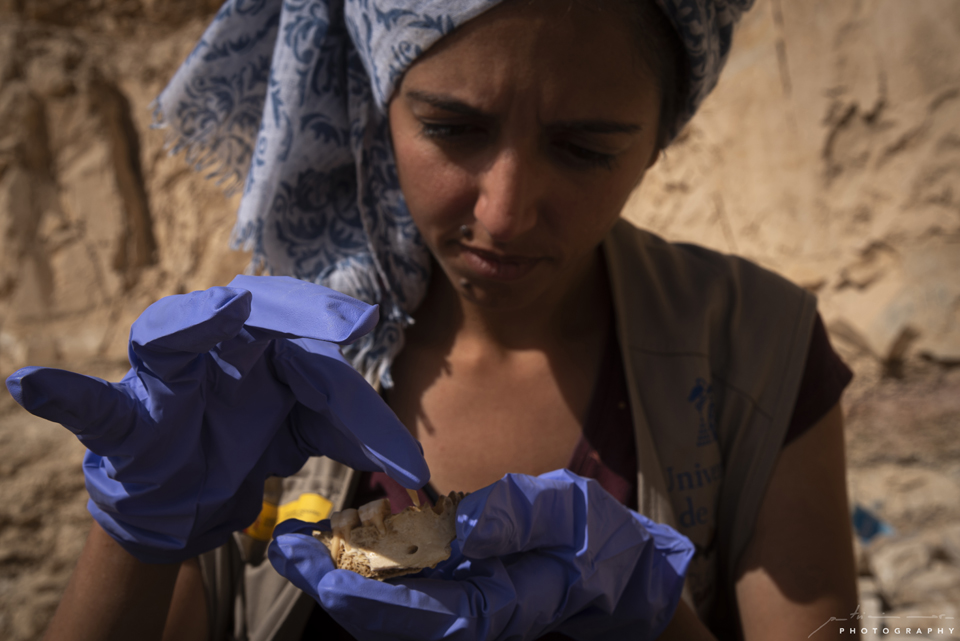
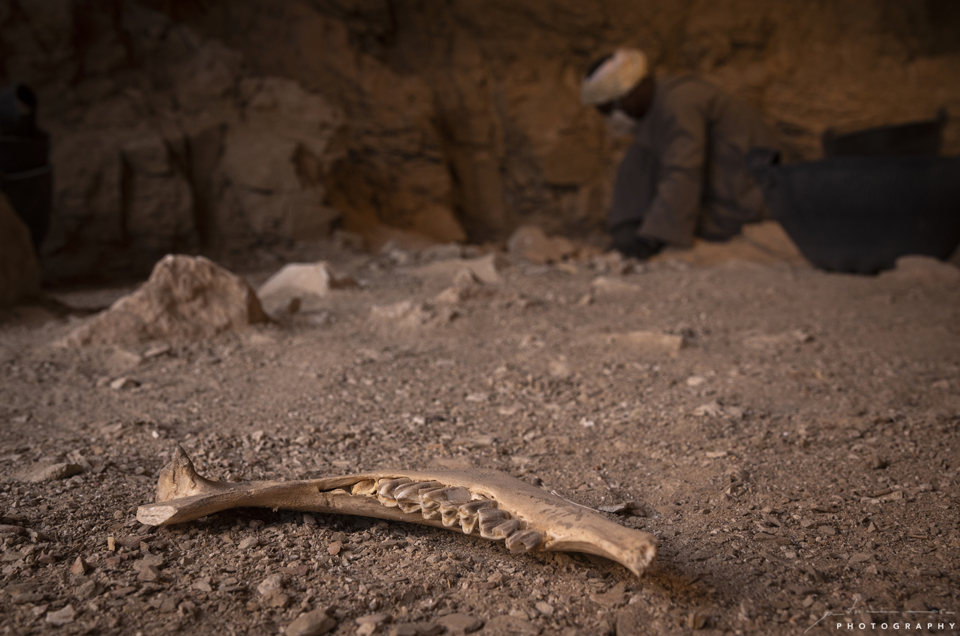
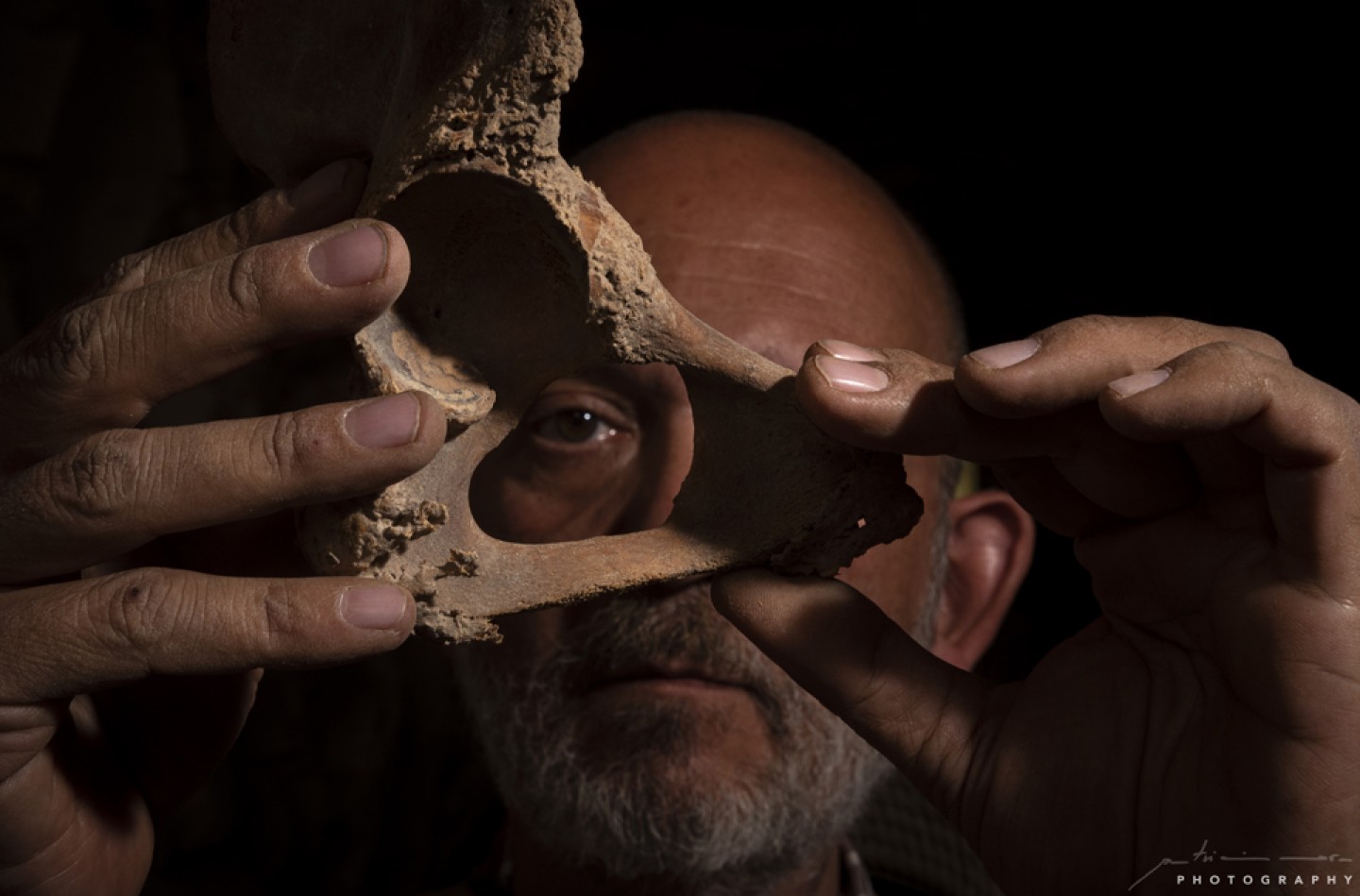
At Ipi’s tomb the excavation of the subsidiary chamber has continued. More human remains were found today, including a femur that seems to fit with the coxal bone found the day before and a mandible that also fits with a premolar tooth found yesterday.

At E1 the excavation of the chamber has continued. Today we have finished removing a whole layer of sand, so Raúl and Sergio have been documenting the stratigraphy of the area. The aim is to understand the relationship between the different contexts of the tomb.

The conservation team has been working with cartonnage from the tomb of Henenu and Ipi. In the morning, Reed visited E1 to talk to Sergio and Raul about the state of the tomb and the best way to conserve it. After breakfast, the whole team returned to Dagi where they began to examine and document each of the wall fragments that have become detached over time. Reed also assisted Daniel in putting up targets in and around the tomb for photogrammetry.

The evening at the Marsam has been quiet. Inma left last night and the dinner table is noticeably emptier. There are just two weeks left until the end of the campaign so the work in the office is multiplying in the evenings. Nevertheless, we are very happy with what we are doing and that joy far outweighs the fatigue of more than a month of digging.

MKTP - Middle Kingdom Theban Project - Recuperando el pasado
logoUAH-footer

El proyecto

El Middle Kingdom Theban Project tiene como objetivos la excavación, estudio y publicación de varias tumbas de la necrópolis del Reino Medio en Deir el-Bahari (Henenu, Ipi, Neferhotep, E1) y de las tumbas de Dagi (TT 103) y Djari (TT 366) en la necrópolis de Asasif.

MKTP - Middle Kingdom Theban Project - Ministerio Egipcio de Antigüedades

Con la colaboración del Ministerio Egipcio de Antigüedades y las autoridades del Alto Egipto, Luxor y la Orilla Occidental.

Las tumbas

Las tumbas de Henenu (TT 313) e Ipi (TT 315) se encuentran en la colina norte de la necrópolis de Deir el-Bahari, donde fueron enterrados algunos de los oficiales más importantes de Mentuhotep II y principios del Reino Medio. 

La cámara funeraria de Harhotep (CG 28023) fue localizada en el patio de la tumba TT 314 y constituye uno de los ejemplos más interesantes en arquitectura, iconografía y epigrafía del yacimiento. 

En la planicie de Asasif, las tumbas de Dagi (TT 103) y Djari (TT 366) también representan monumentos a la memoria de altos cargos tebanos del reinado de Mentuhotep II que ayudaron a construir un gran estado.

MKTP - Middle Kingdom Theban Project - Patrocinadores - Ministerio de Ciencia e Innovación
MKTP - Middle Kingdom Theban Project - Patrocinadores - Gobierno de Castilla-La Mancha
MKTP - Middle Kingdom Theban Project - Patrocinadores - Fundación para el Conocimiento madri+d
MKTP - Middle Kingdom Theban Project - Patrocinadores - Ministerio de Cultura y Deporte
MKTP - Middle Kingdom Theban Project - Patrocinadores - Fundación Palarq
MKTP - Middle Kingdom Theban Project - Patrocinadores - Parque Científico y Tecnológico de Castilla-La Mancha
MKTP - Middle Kingdom Theban Project - Patrocinadores - Asociación Española de Egiptología
MKTP - Middle Kingdom Theban Project - Patrocinadores - Asociación de Amigos de la UAH

Copyright 2020 MKTP ©  Todos los derechos reservados. Editor: Antonio J. Morales
(con la colaboración de miembros MKTP)
Cookies | Privacidad

Sitio Web realizado por MindHouse