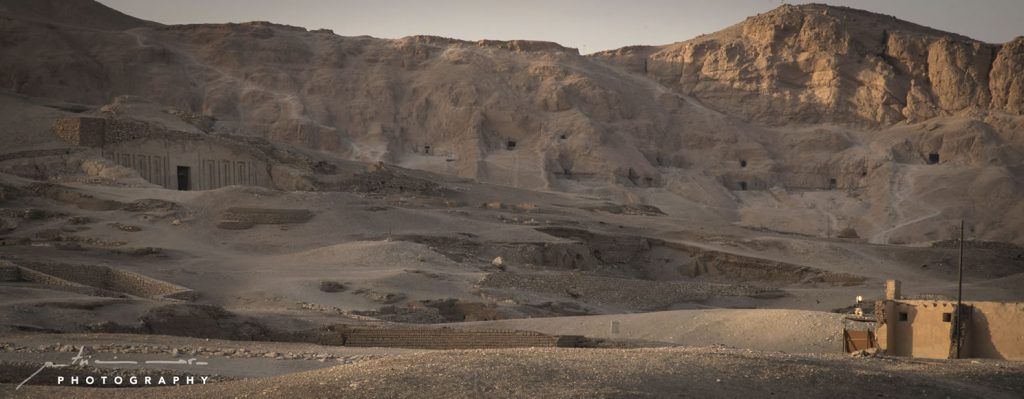
Not working at the site in these initial days implies a serious effort by the team, whose members try to concentrate on organizing everything and getting ready for the “green light” to go ahead and work in the necropolis. The support of the Spanish Embassy in Cairo and the Office of International Relations at the UAH has been essential, but we cannot ensure when the security clearance for the team will be approved and delivered to the Ministry of Antiquities. For all this, the team works tirelessly for the preparation of various working plans and for the intensity that we know it will require this type of work in the next weeks.
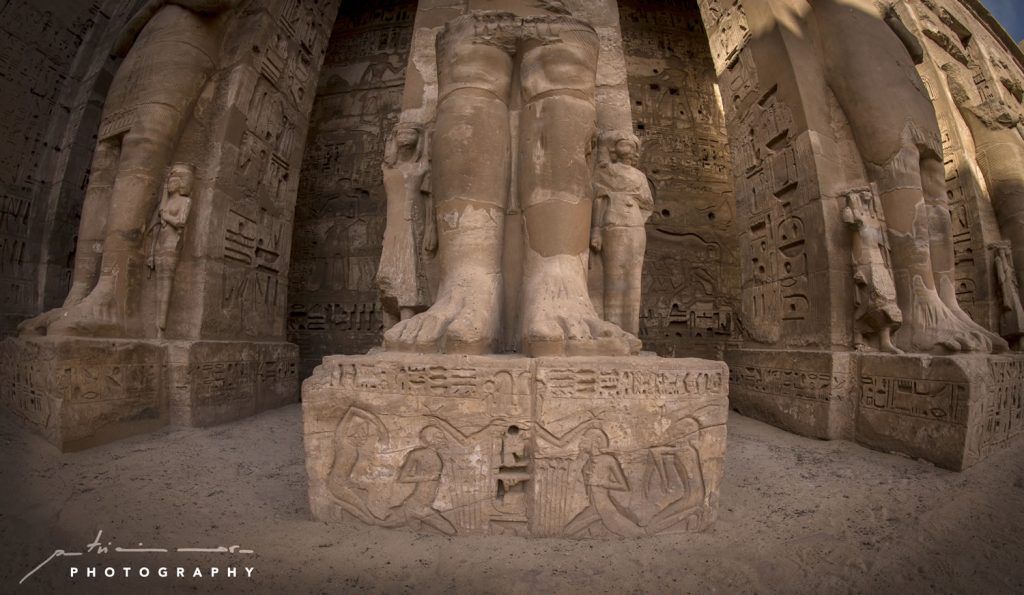
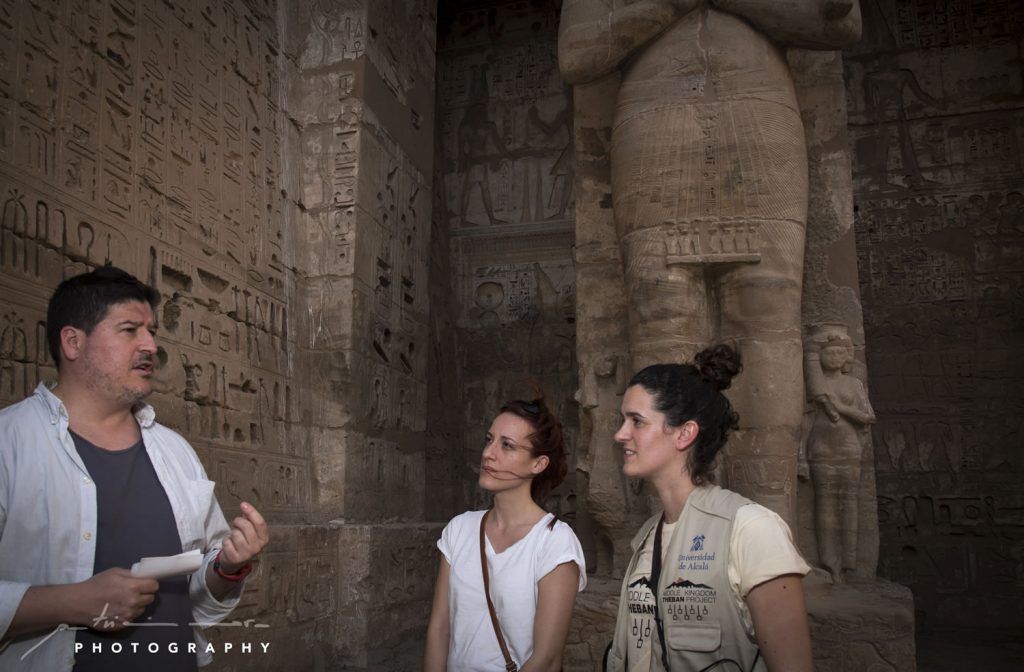
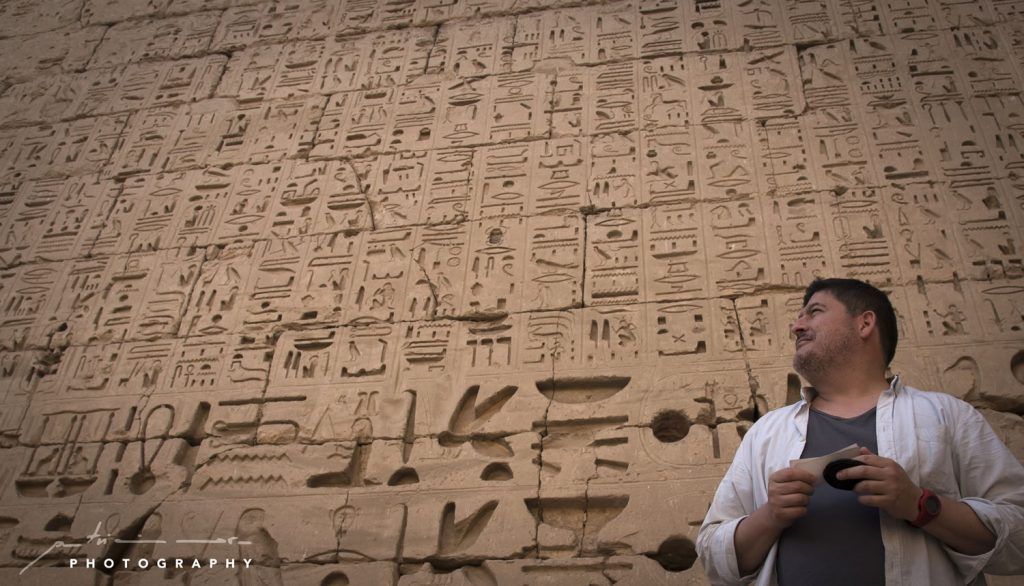
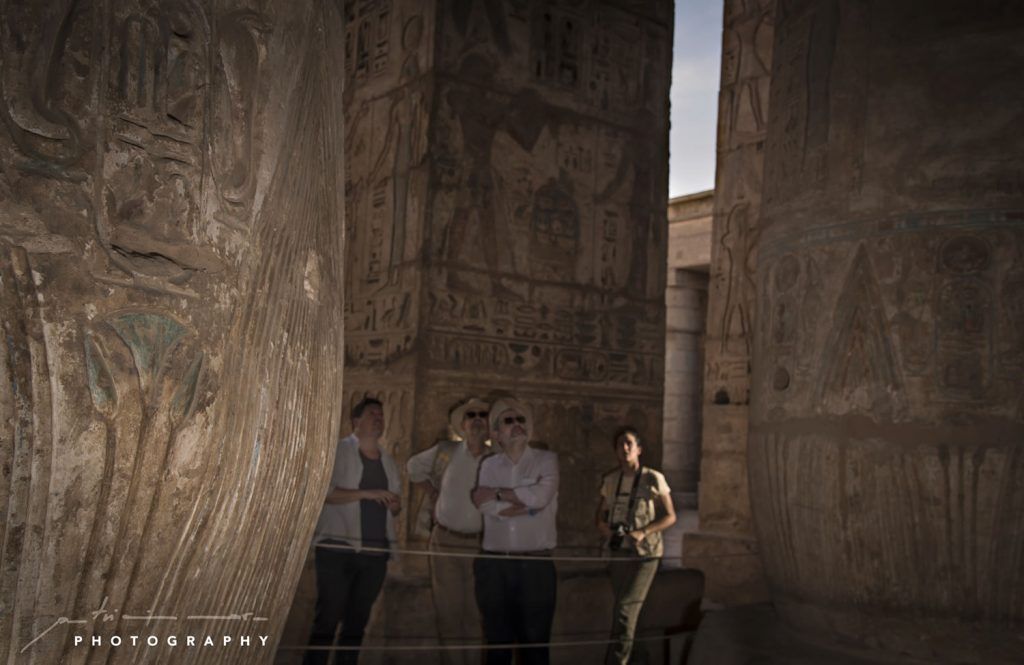
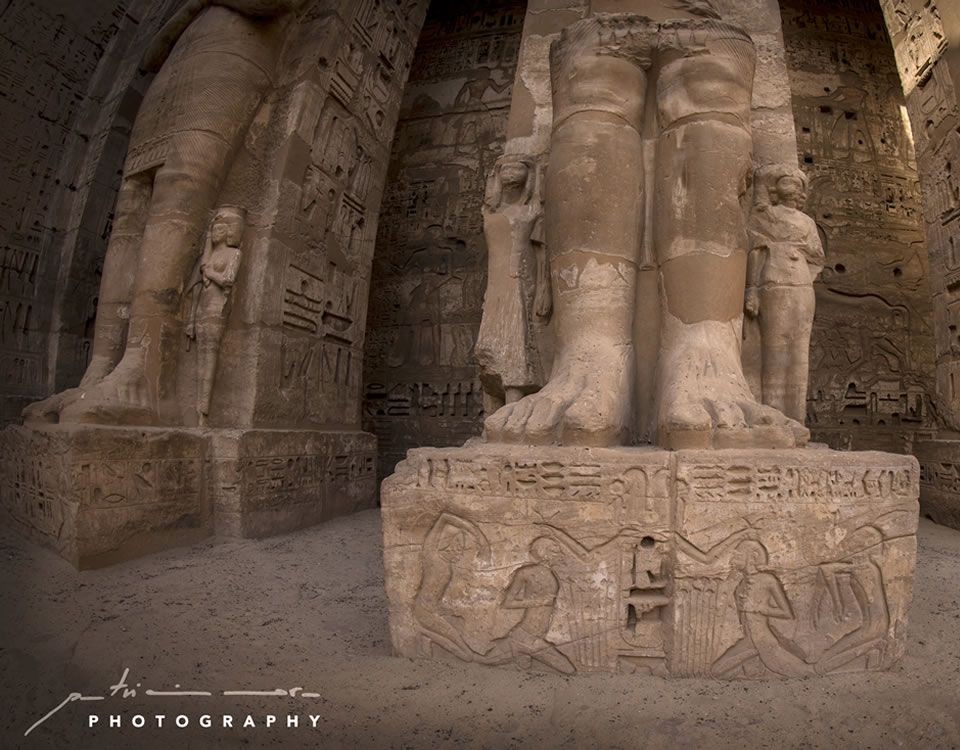
In the first visit of some of the new members to the temple of Ramses III at Medinet Habu, Antonio has tried to contextualize the architectonic and iconographic program for them, examining the main aspects of a complex of funerary cult such as this one. This “temple of millions of years” is particularly striking because of the adequate preservation of the polychromy on the walls and the fortress structure found in the multiple walls of the complex, which basically incorporates a “migdol”-gate to the entrance into the temple. For the members of the team that do not work directly in Egyptology or for our students, walking around in the temple and observing details of the inscriptions and scenes is delighting. The grandiloquence of the Ramesside artists at representing battles, festivals, and religious celebrations associated to the deceased king, the Osiris Ramses, and to the local gods differs from the iconographic sobriety and subordination of the king found in the reliefs of the Middle Kingdom from the temple of Mentuhotep II in Deir el-Bahari and the pyramid complex of Amenemhat I at Lisht. Henenu and Ipi served to these kings, respectively.